









Your road bike guide: Finding and maintaining the perfect road bike - Trends 2025
What is a road bike?
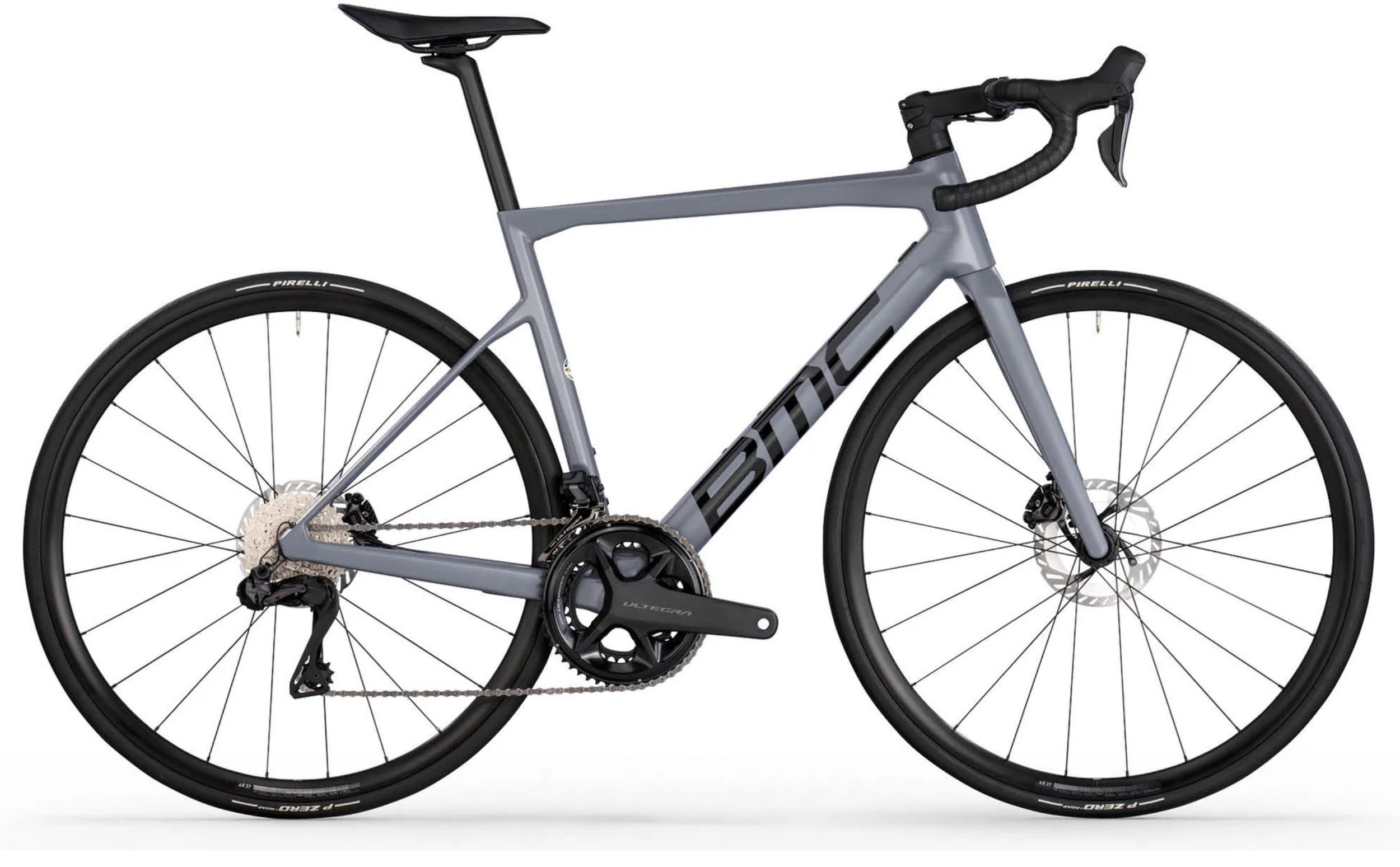
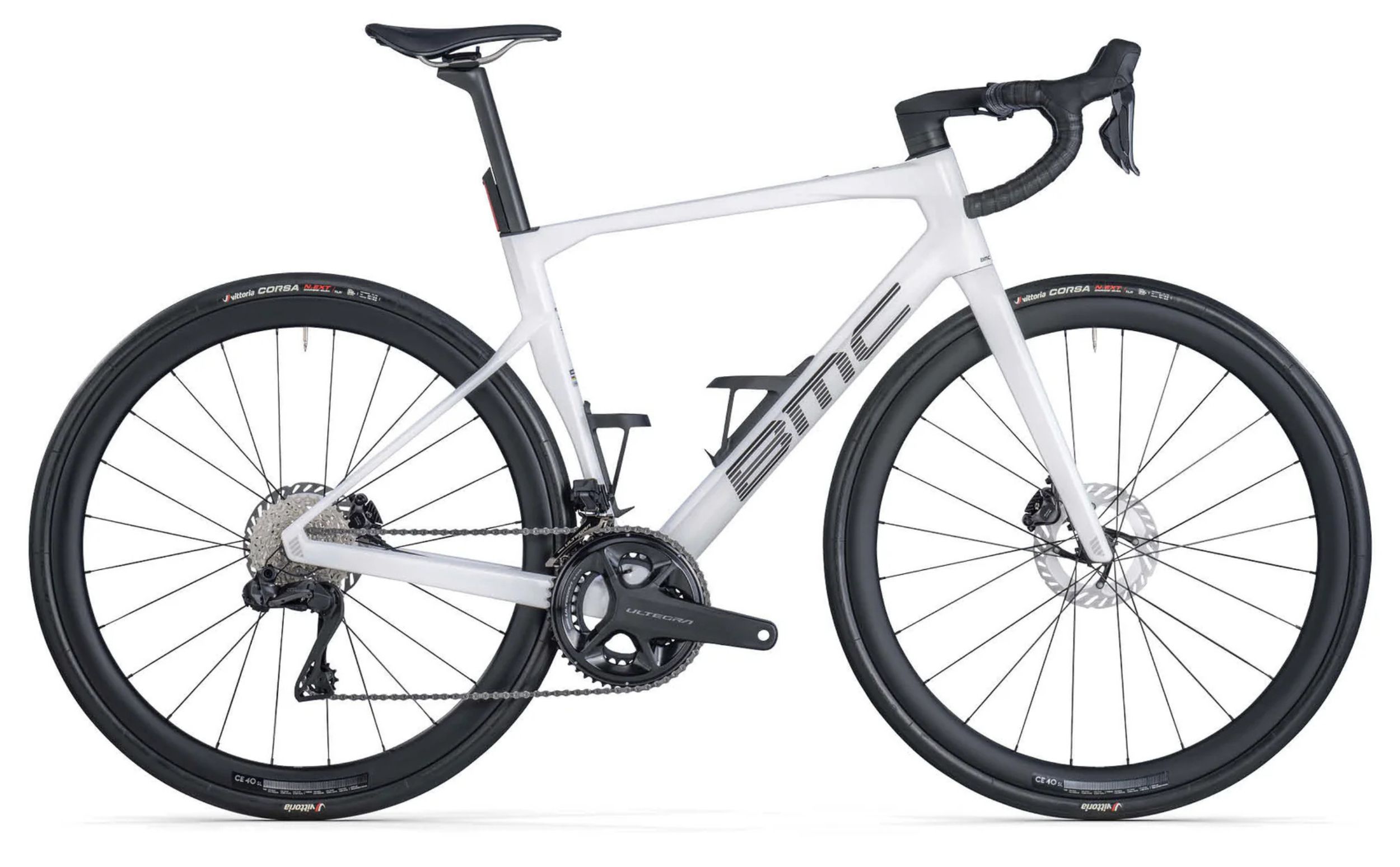
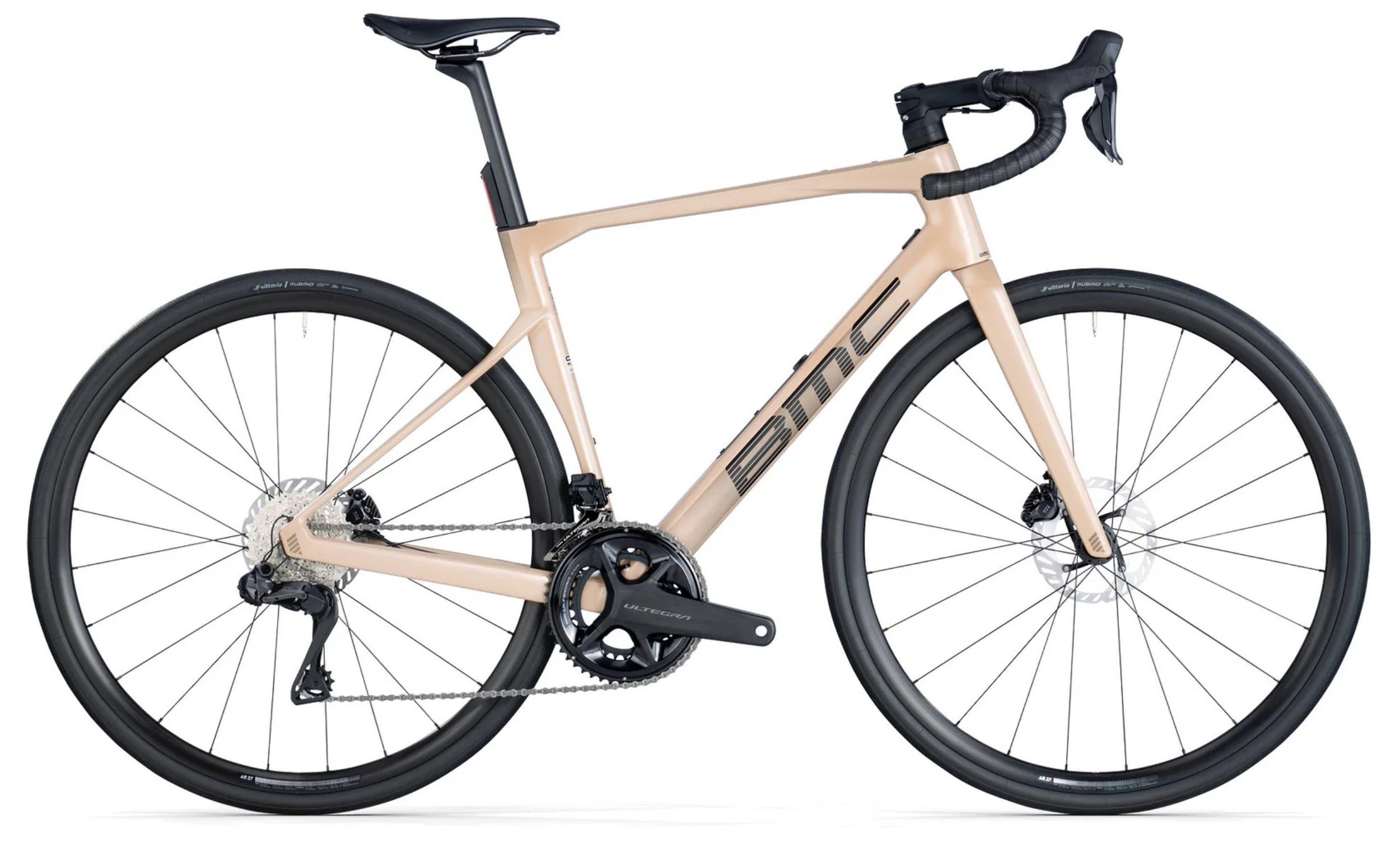
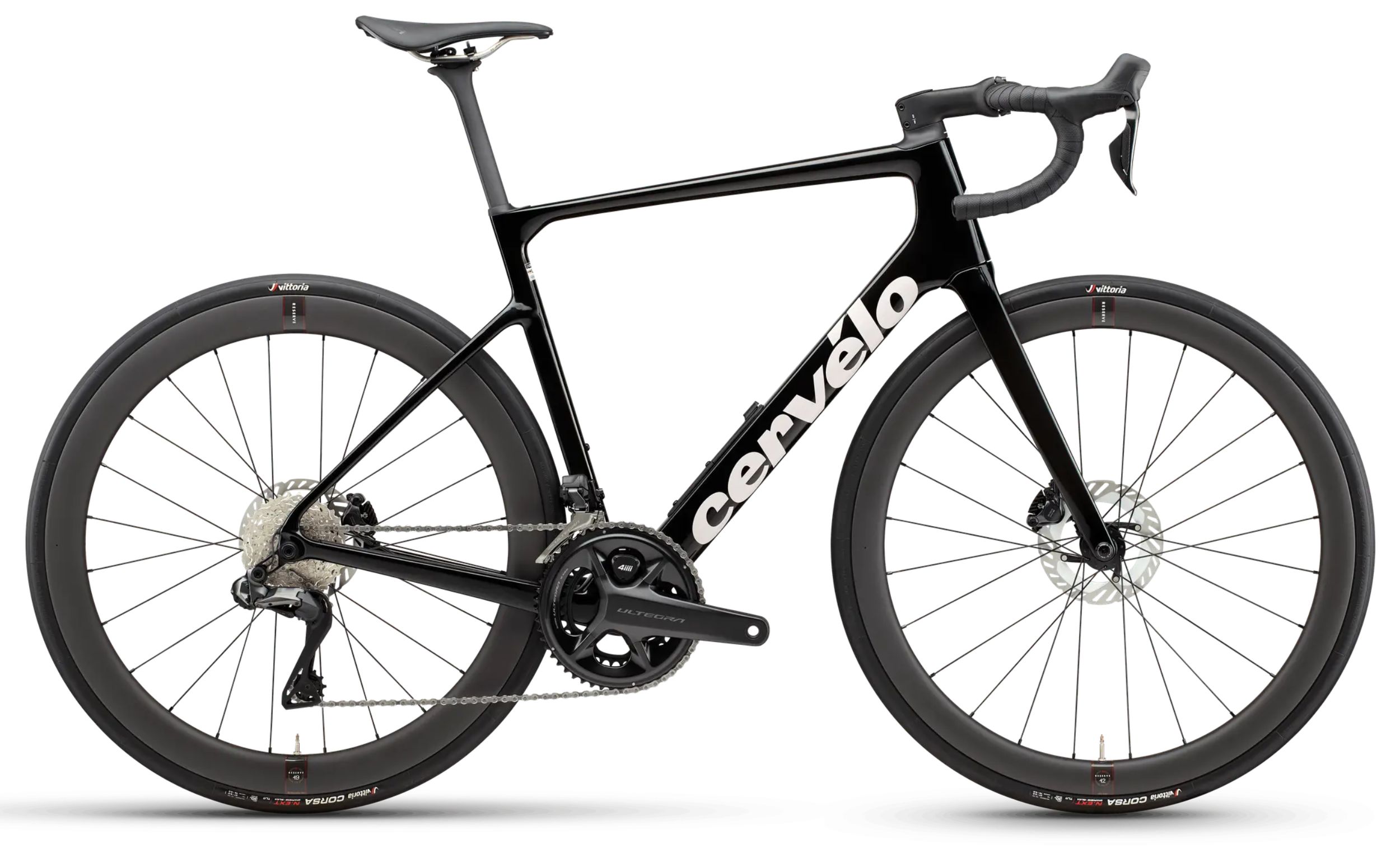
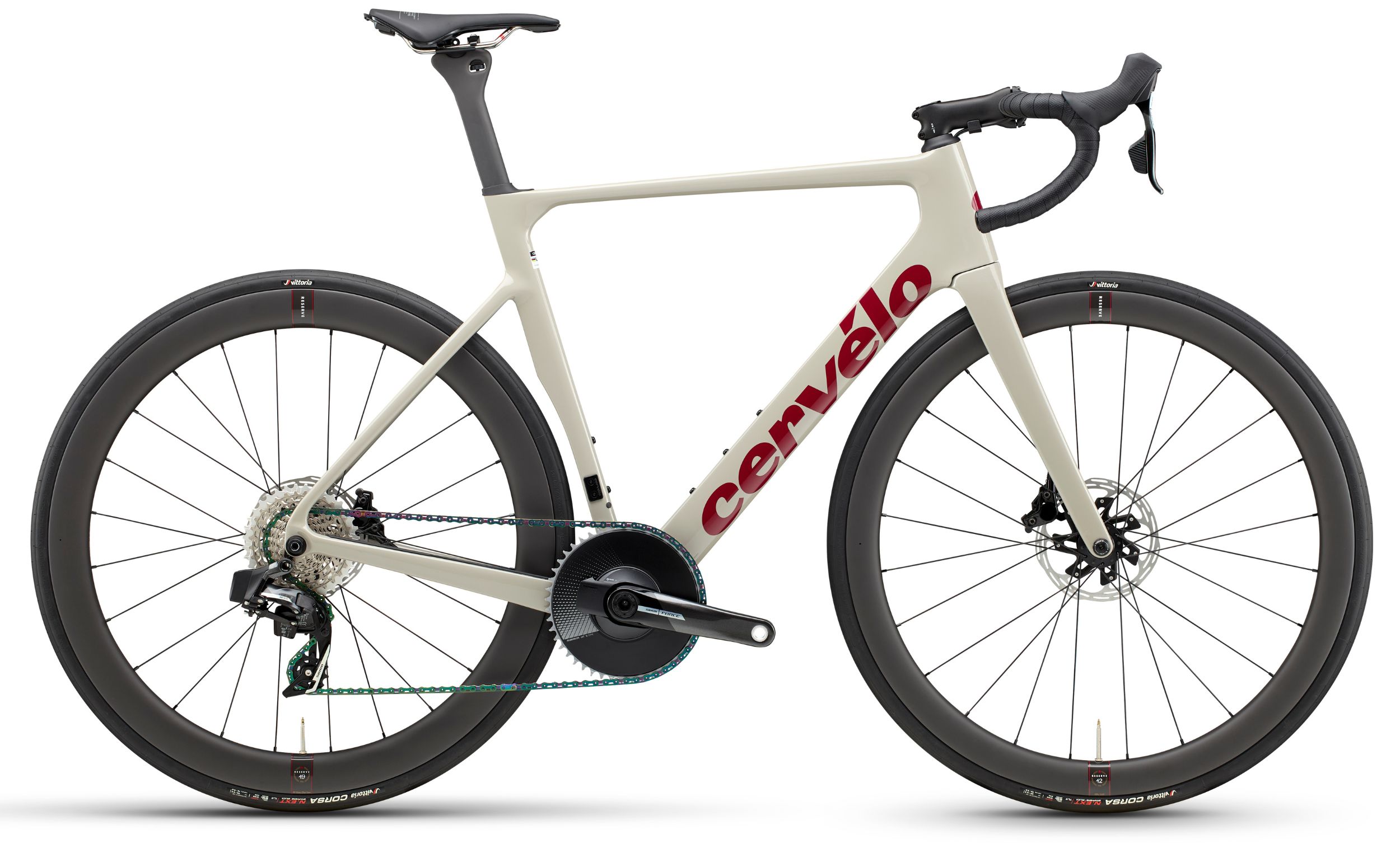
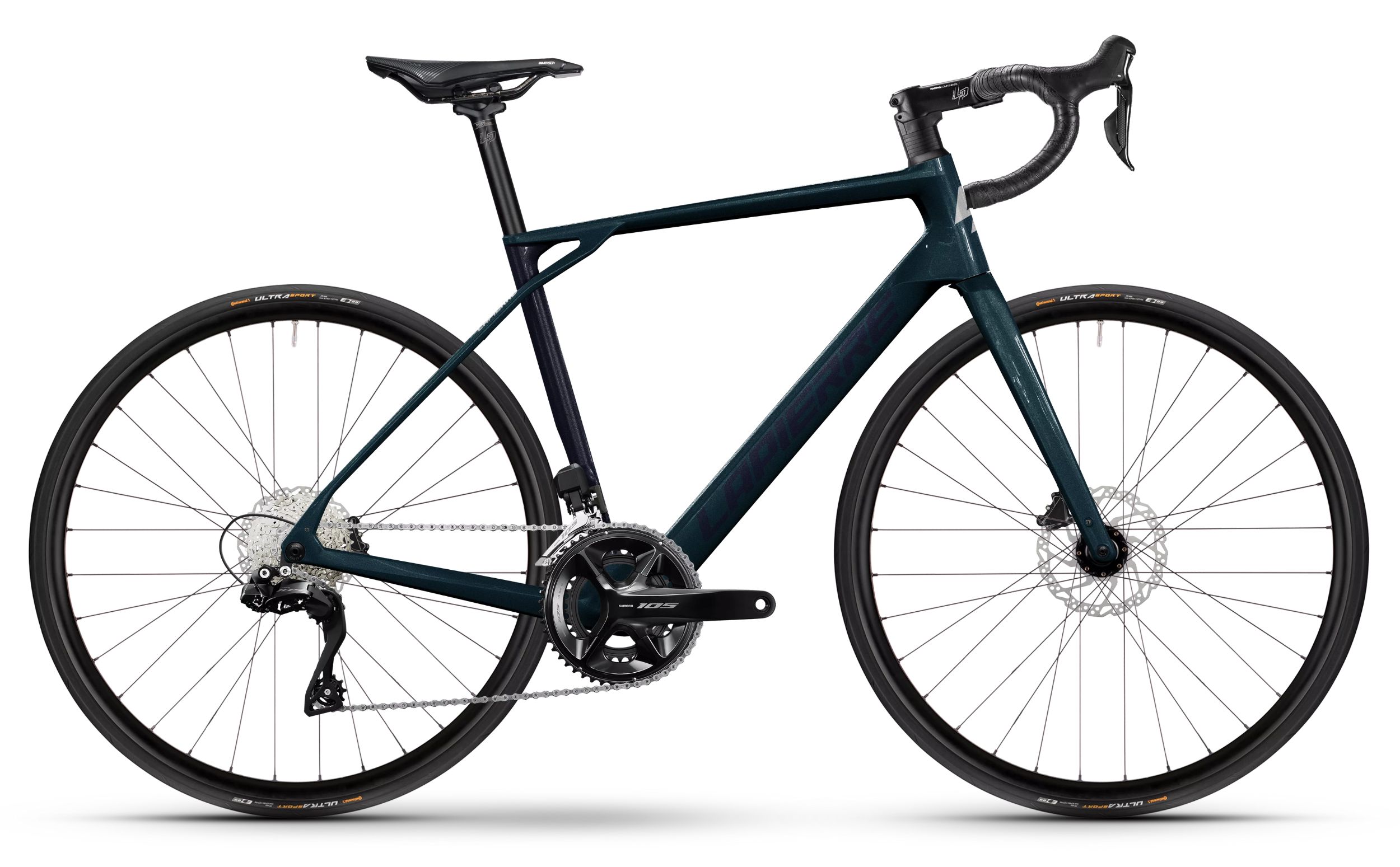
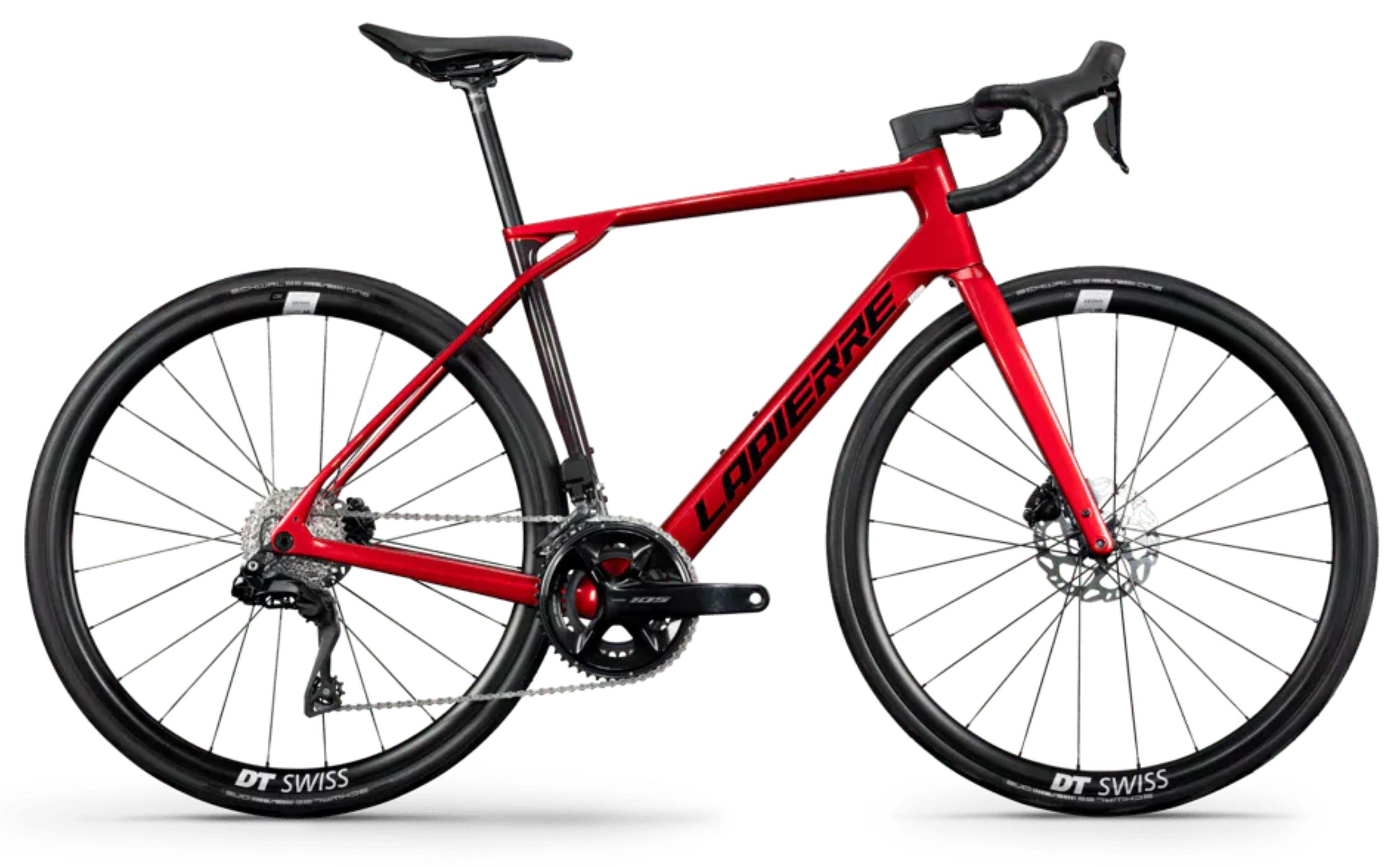
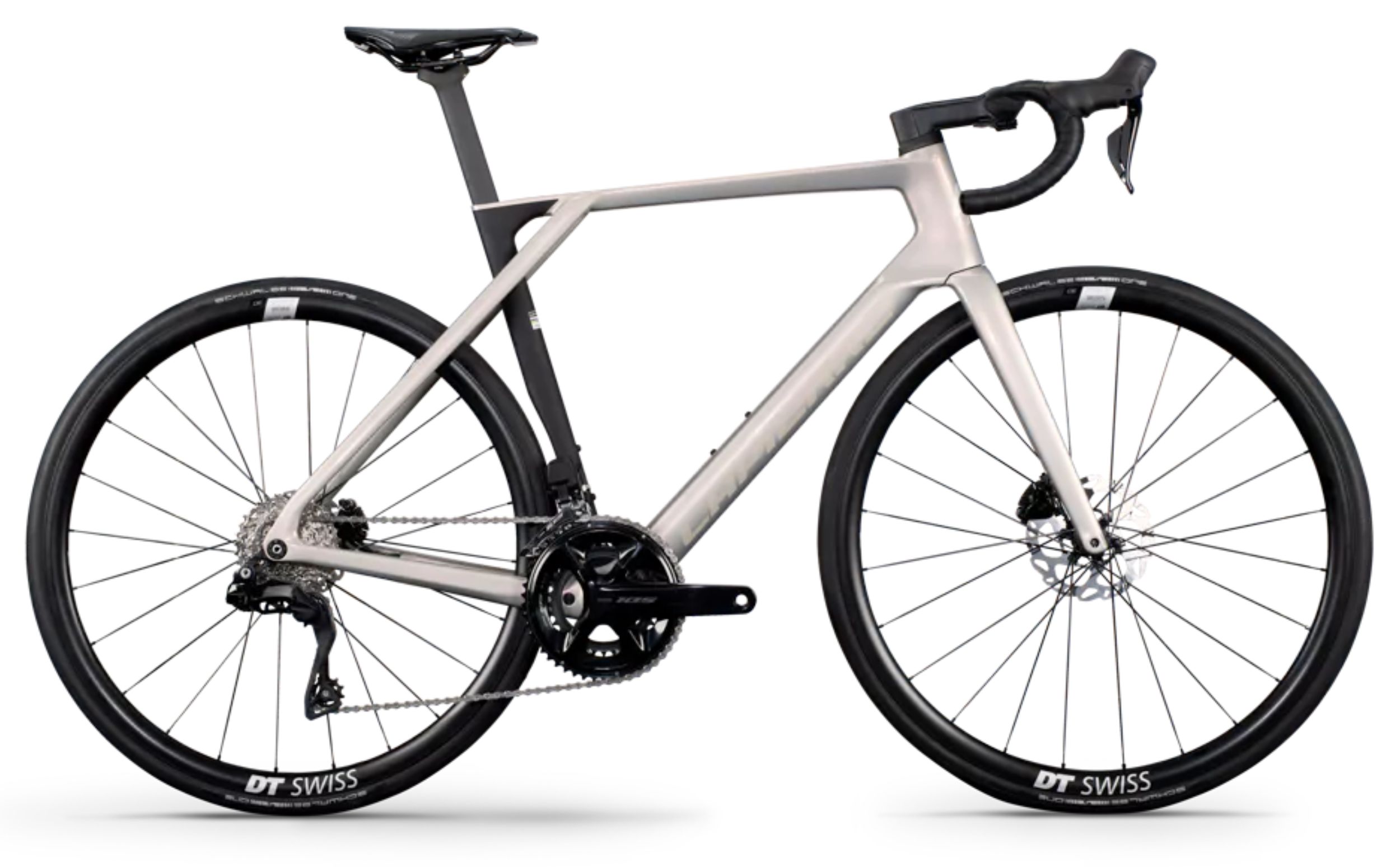
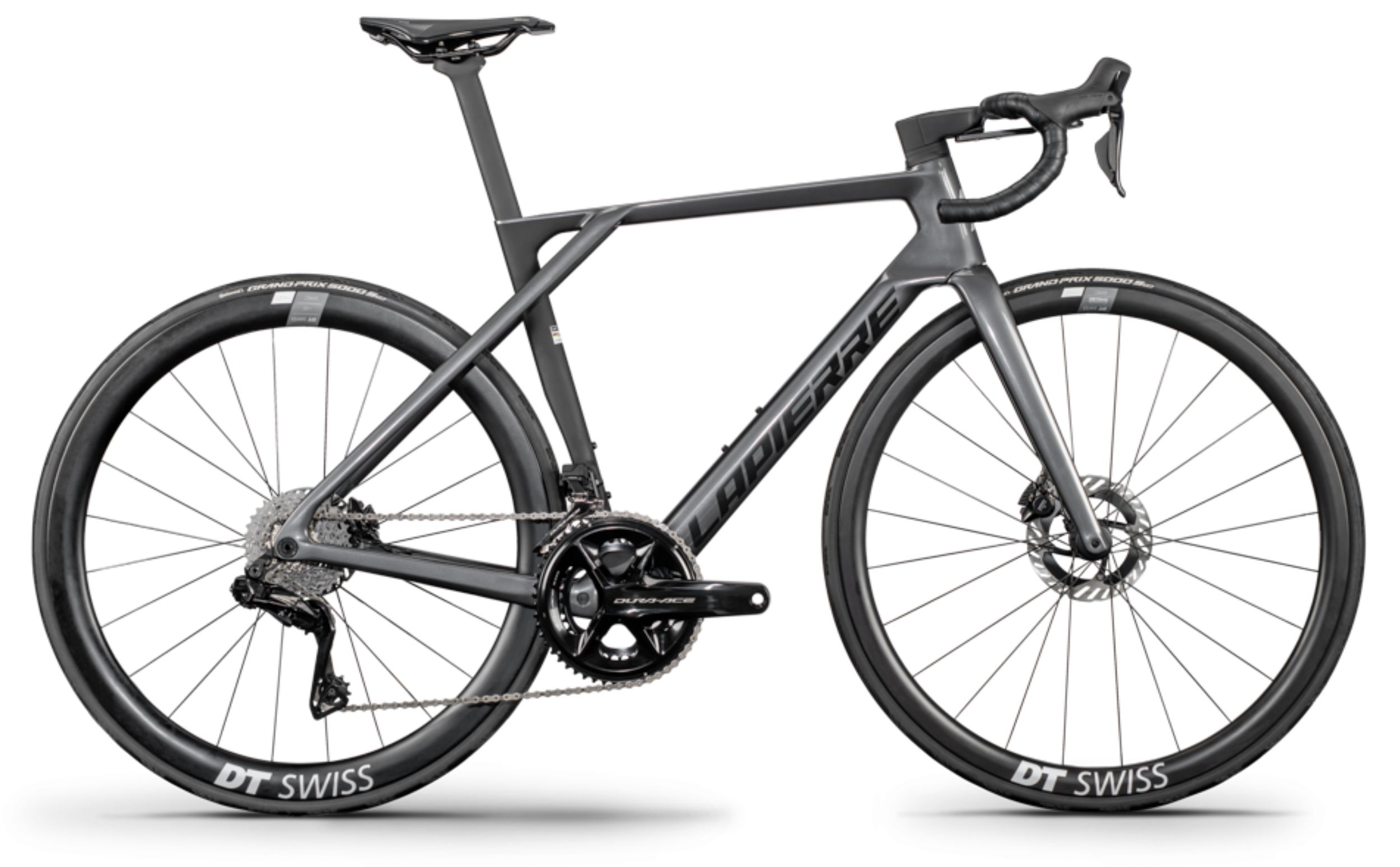
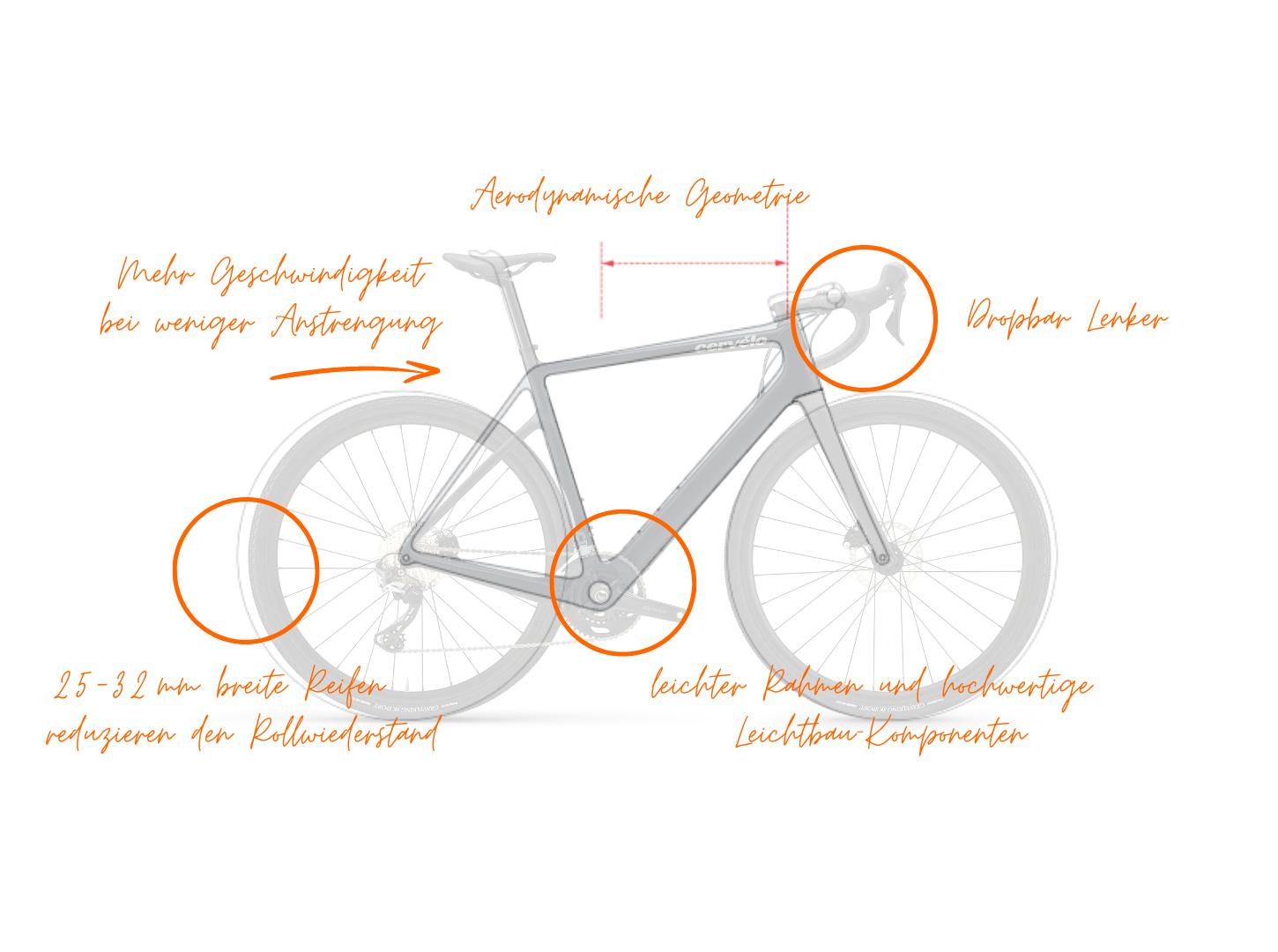
A road bike differs significantly from other types of bike thanks to its lightweight frame, narrow tyres, curved drop-bar handlebars and aerodynamic shape. All these elements contribute to you having to expend less energy to reach high speeds - ideal for fast rides and intensive training sessions.
Why are road bikes so popular?
The increasing popularity of racing bikes is due to numerous factors: Not only do they offer huge fitness and endurance benefits, but they also enable the thrill of racing and adventure on the road. Ongoing technical development, coupled with the trend towards innovative designs, makes them particularly attractive. What's more, the road bike community is constantly growing - a sign of how much you will be infected by the enthusiasm as soon as you immerse yourself in the world of road bikes.
The advantages of road bikes
A road bike offers you numerous advantages: It improves your fitness, increases your endurance and strengthens your cardiovascular system. Racing bikes are also environmentally friendly as they are an excellent alternative to motorised transport. Another plus point is the opportunity to discover new routes and landscapes - regardless of whether you are travelling for your daily commute or for adventure rides.
What types of road bikes are there?
Over the years, different types of road bikes have been established that fulfil different requirements. Some new trends and innovations have also crystallised for 2025.
| Type | Characteristics | Area of use |
|---|---|---|
| Classic road bike | Lightweight construction, narrow tyres, aerodynamic geometry | Road racing and fast rides |
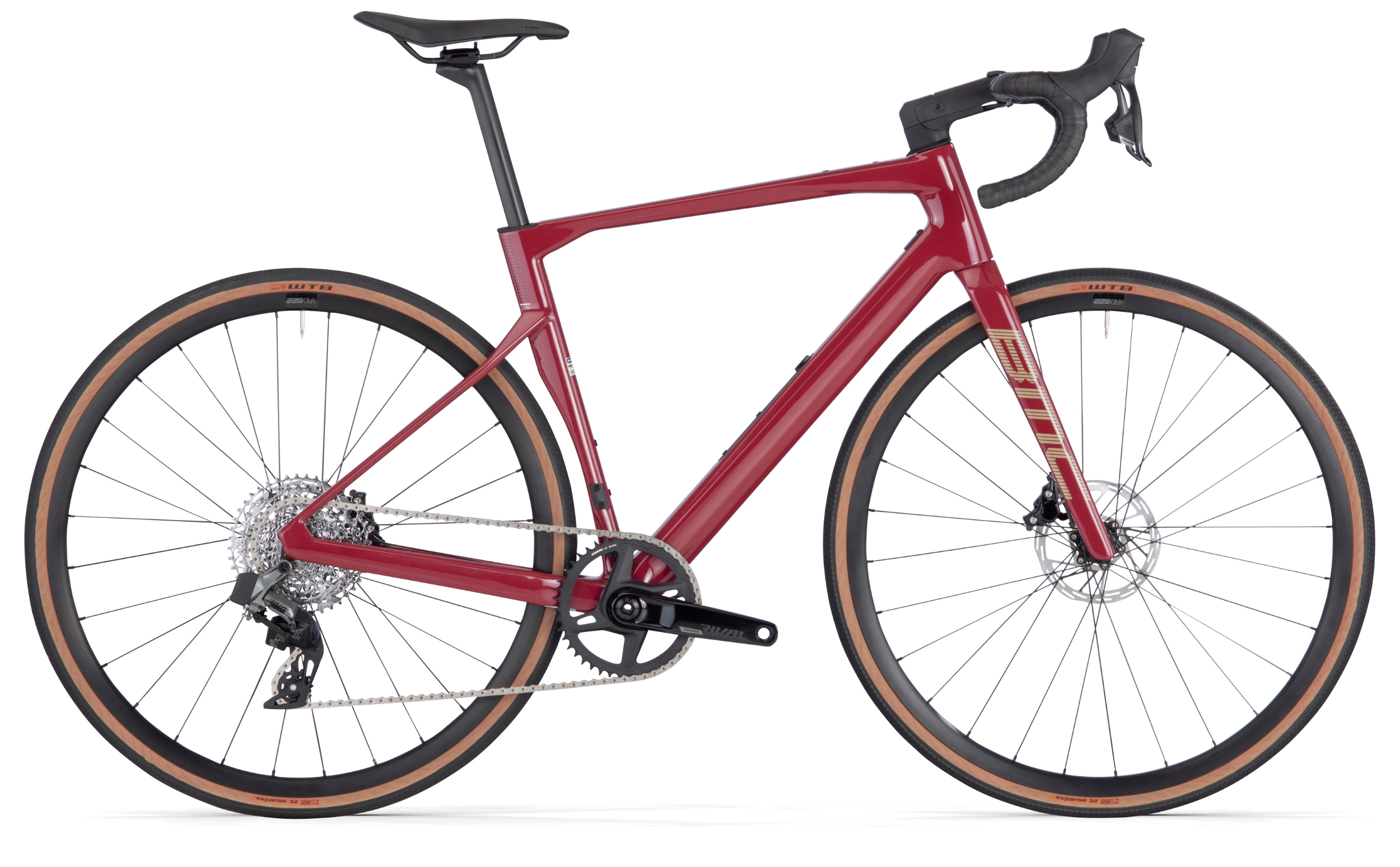
| Gravel bike | Wider tyres (28-30mm), more comfortable geometry | Unpaved roads and off-road adventures |
| Cyclocross bike | Robust construction, off-road optimised components | Mud races and off-road adventures |
| Aero road bike | Optimised aerodynamics, integrated sensors | Speed records and time trials |
| Triathlon / time trial bike | Special aerodynamics, special seat geometry | Time trials and triathlon races |
| E-road bike | E-drive, modern electronics, improved range | Assisted road cycling, longer tours |
What should you look out for when buying a road bike?
Choosing the right road bike is crucial for long-term enjoyment and optimum performance. Here are some important aspects you should consider:
Important questions to ask before buying:
| Ask | Hint |
|---|---|
| What frame size do I need? | Take your height and stride length into account for an optimum riding position. |
| Which frame material is suitable for you? | Carbon offers low weight and high rigidity; aluminium is robust and less expensive. |
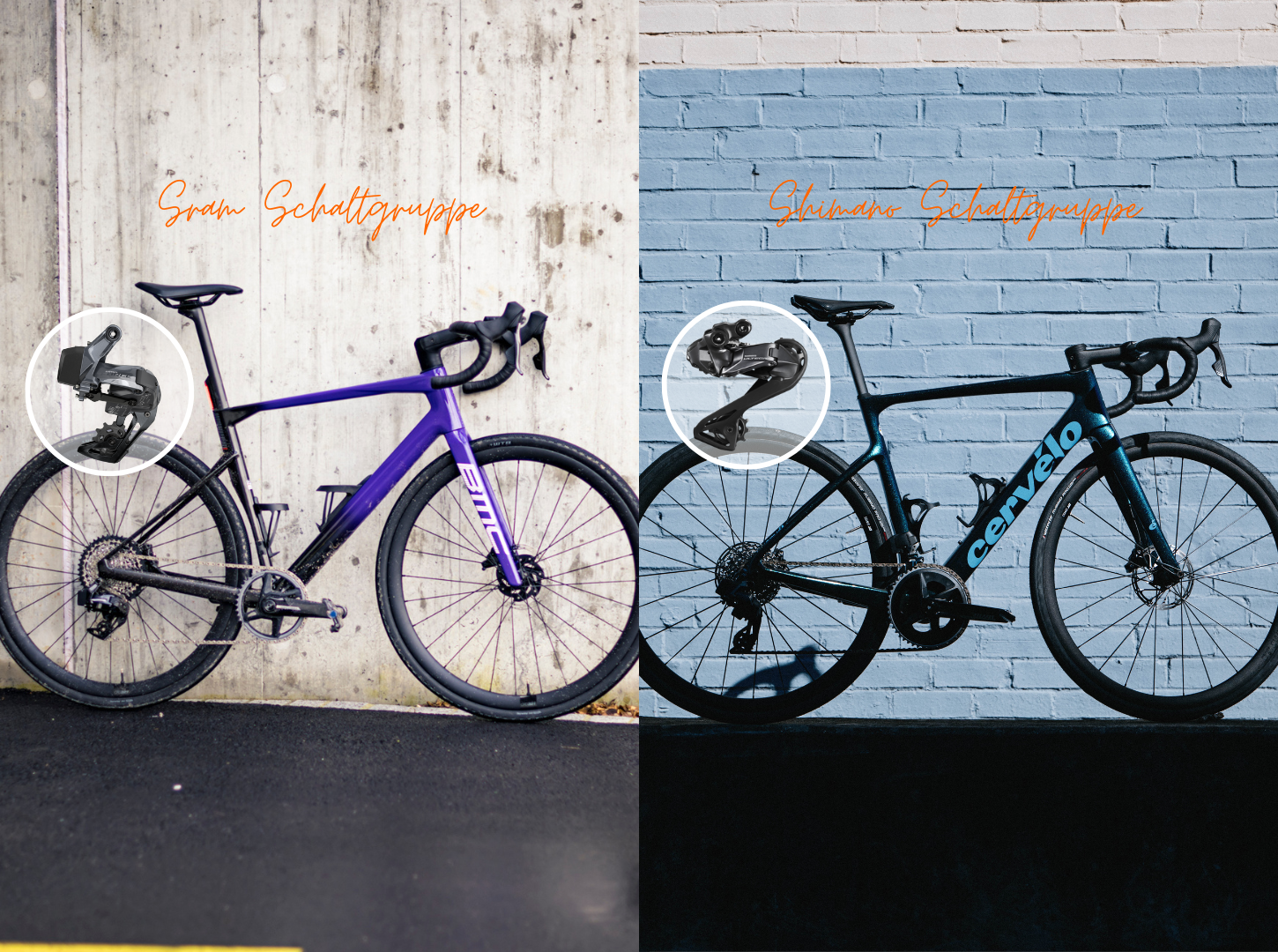
| Which groupset suits your riding style? | Try out models from Shimano, SRAM or Campagnolo - test rides will help you decide. |
| Which braking system do you prefer? | Disc brakes offer better braking performance in wet conditions; rim brakes are lighter and often more aerodynamic. |
| Which wheels would support your performance? | Pay attention to the weight, profile and material of the wheels - carbon wheels are usually lighter and stiffer. |
Frame size and choice of material
Choosing the right frame size is crucial for the comfort and efficiency of your road bike. A frame that is too small or too large can not only impair performance, but can also lead to physical discomfort in the long term. Compare the differences between a carbon road bike and an aluminium road bike - both materials have specific advantages and disadvantages that vary depending on your budget and your requirements.
Derailleur groupsets and brake systems
When it comes to groupsets, you can choose from brands such as Shimano road bikes and SRAM road bikes. A test ride will help you to experience the difference in shifting speed and precision. The braking system also plays an important role: while modern road bike disc brakes are also impressive in the wet, rim brakes are often lighter and offer better aerodynamics on dry roads.
The importance of the wheels
Road bike wheels are crucial for the overall performance of your bike. Light, stiff and aerodynamically optimised wheels not only influence the riding dynamics, but also the handling and energy expenditure when riding. A high-quality wheel system can make the difference between an efficient and a tiring ride.
Top road bike brands at STATERA Bikes
At STATERA Bikes you will find a carefully curated selection of road bikes. The leading brands represented here offer the highest quality and innovative technologies:
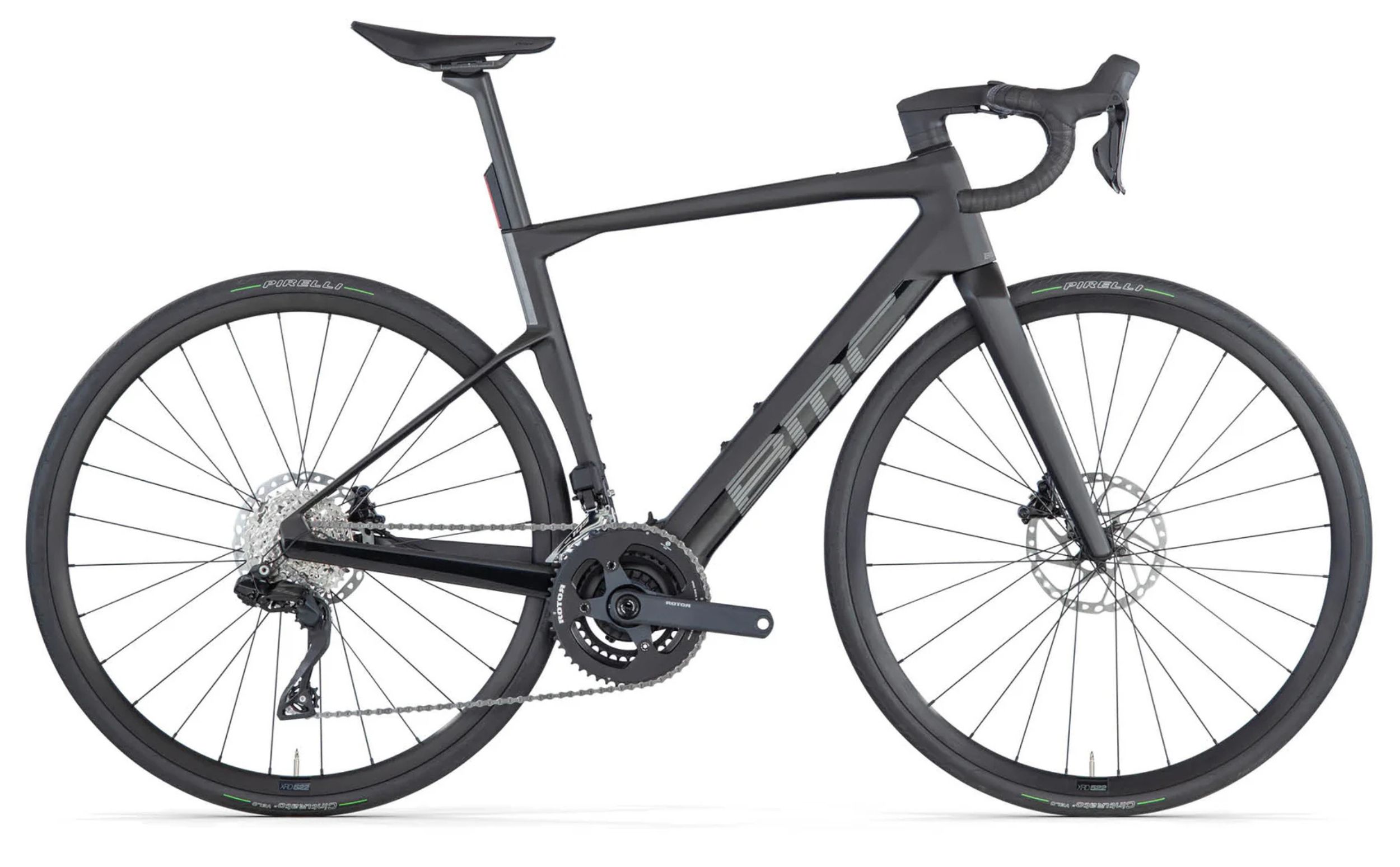
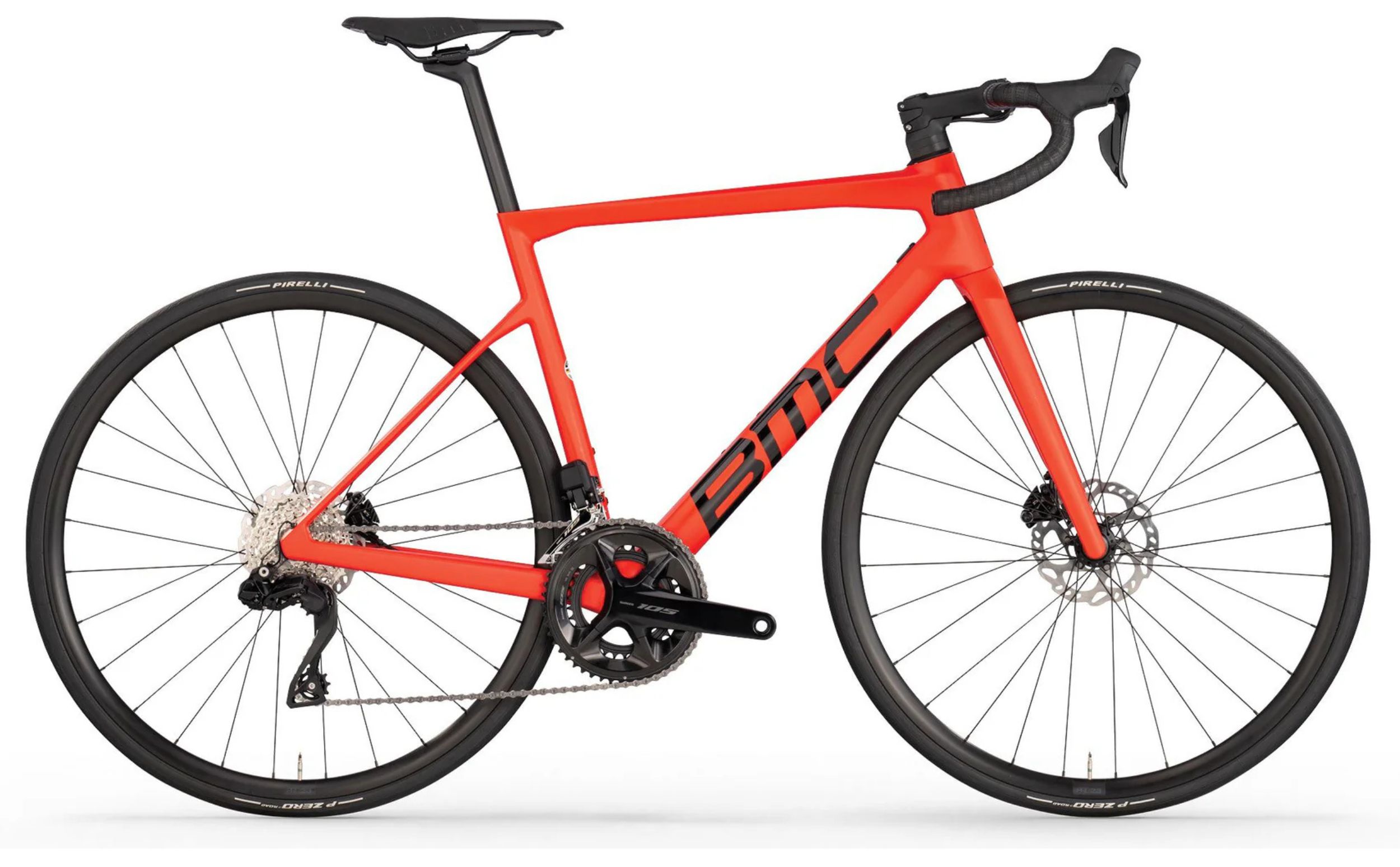
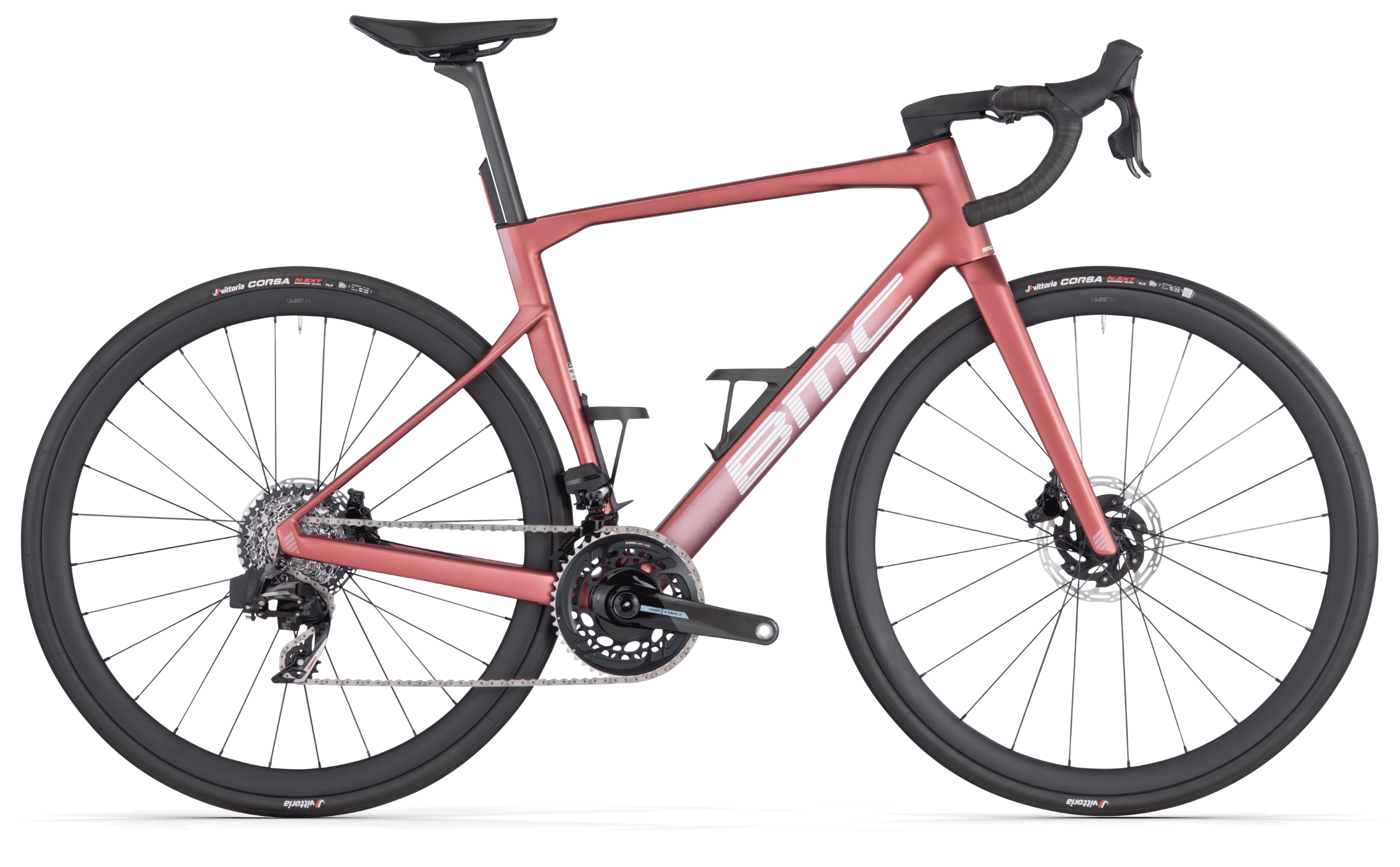
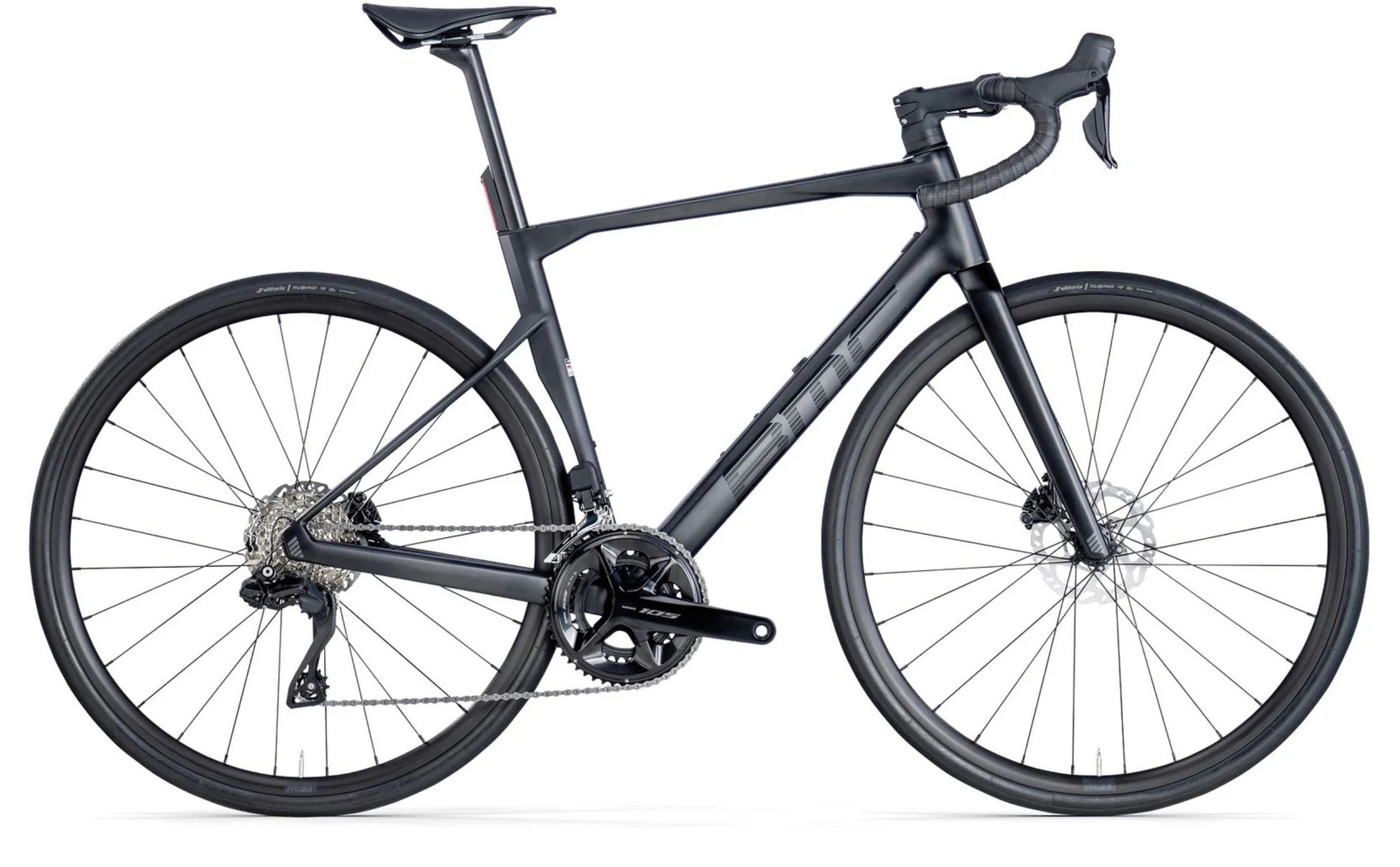
BMC Switzerland
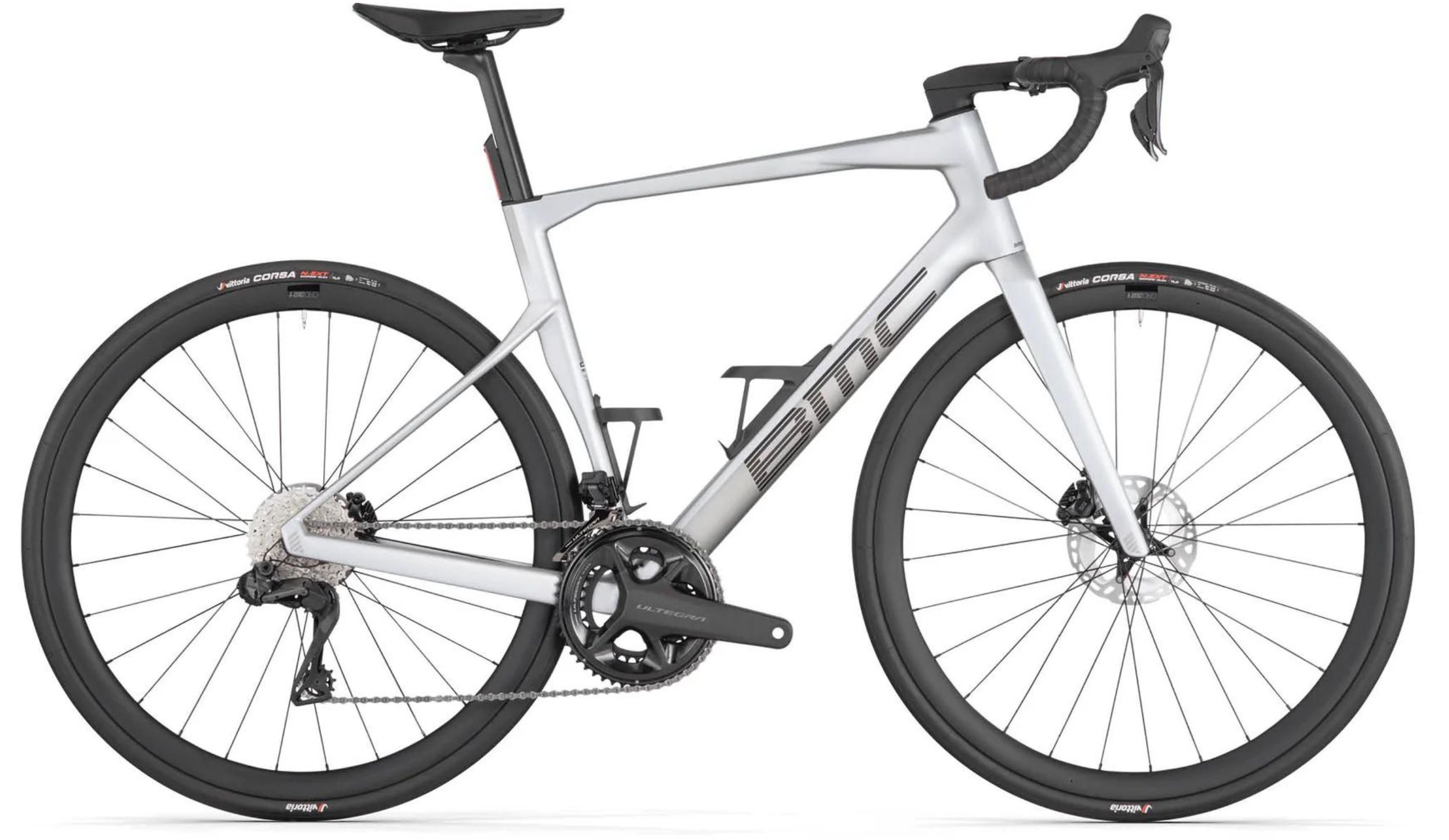
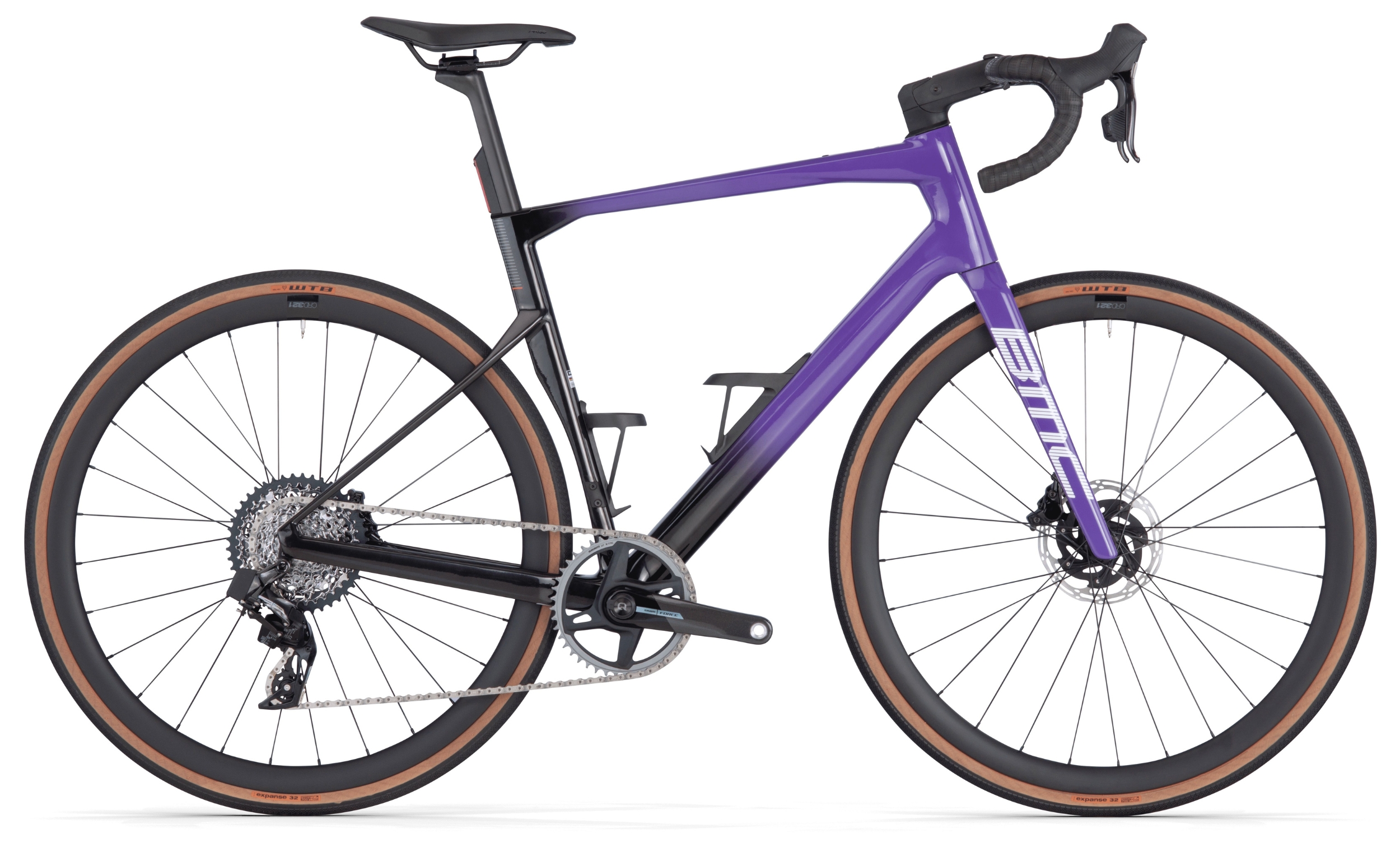
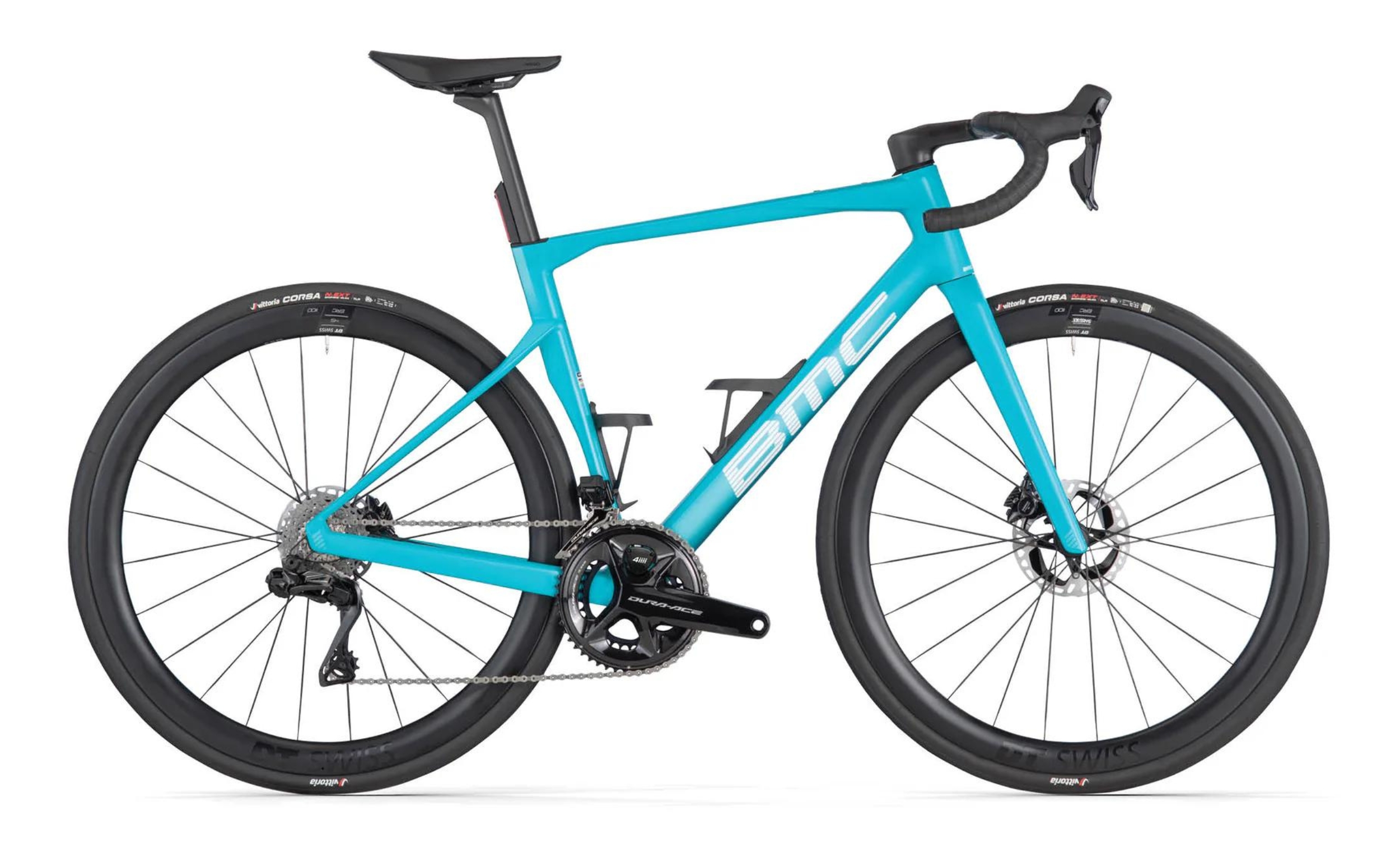
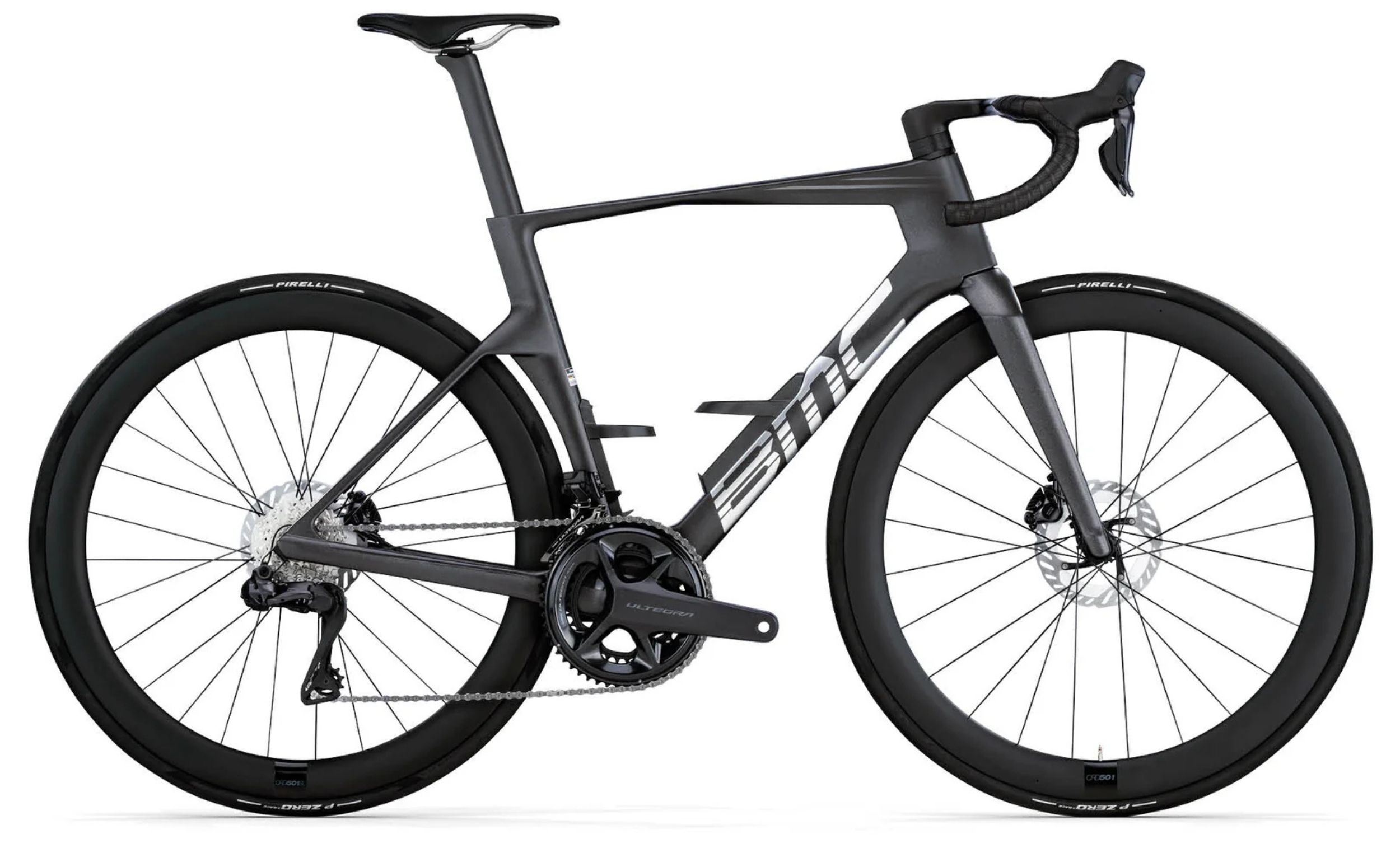
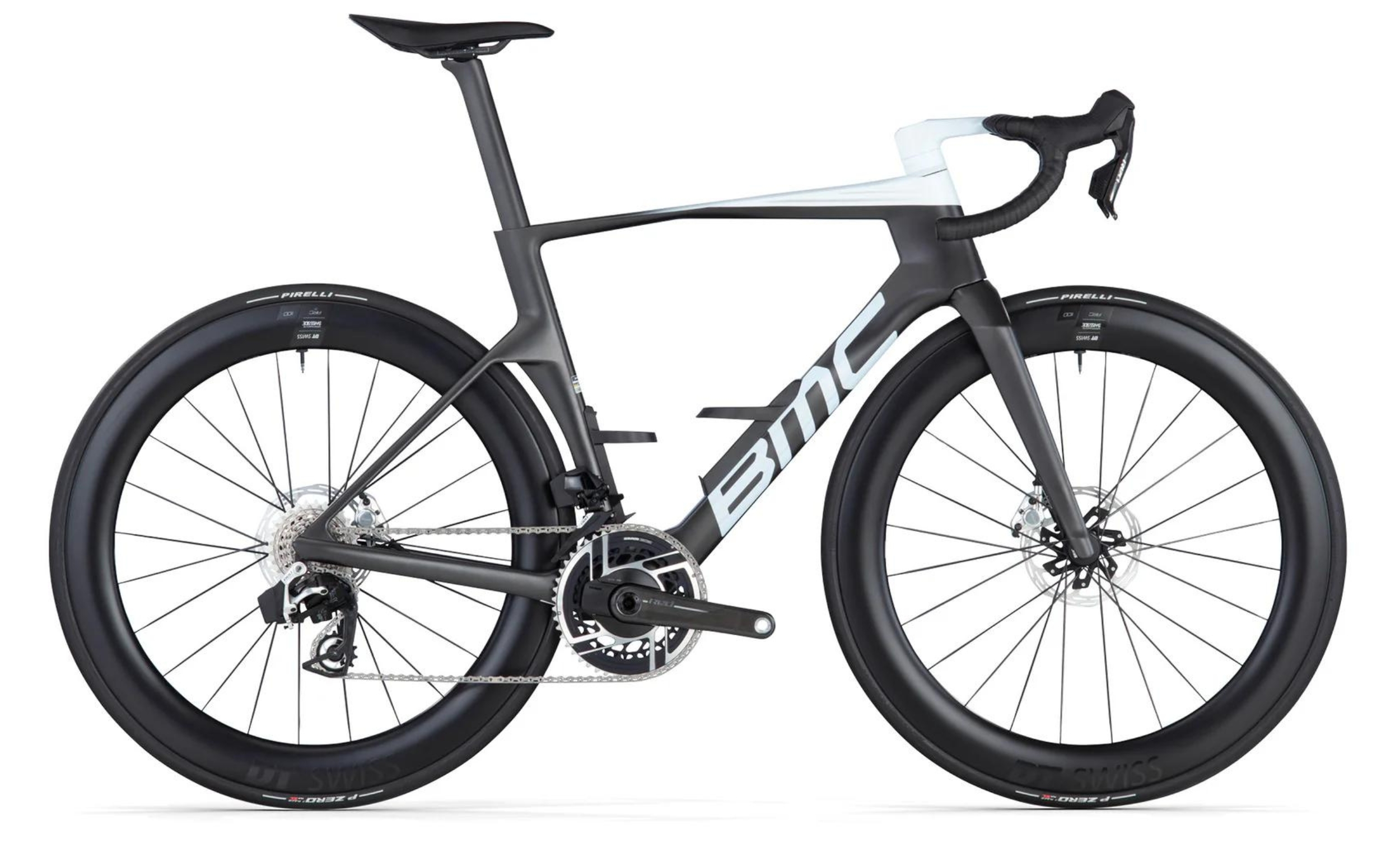
BMC racing bikes impress with their innovative designs and state-of-the-art technology, which is also used in professional cycling.
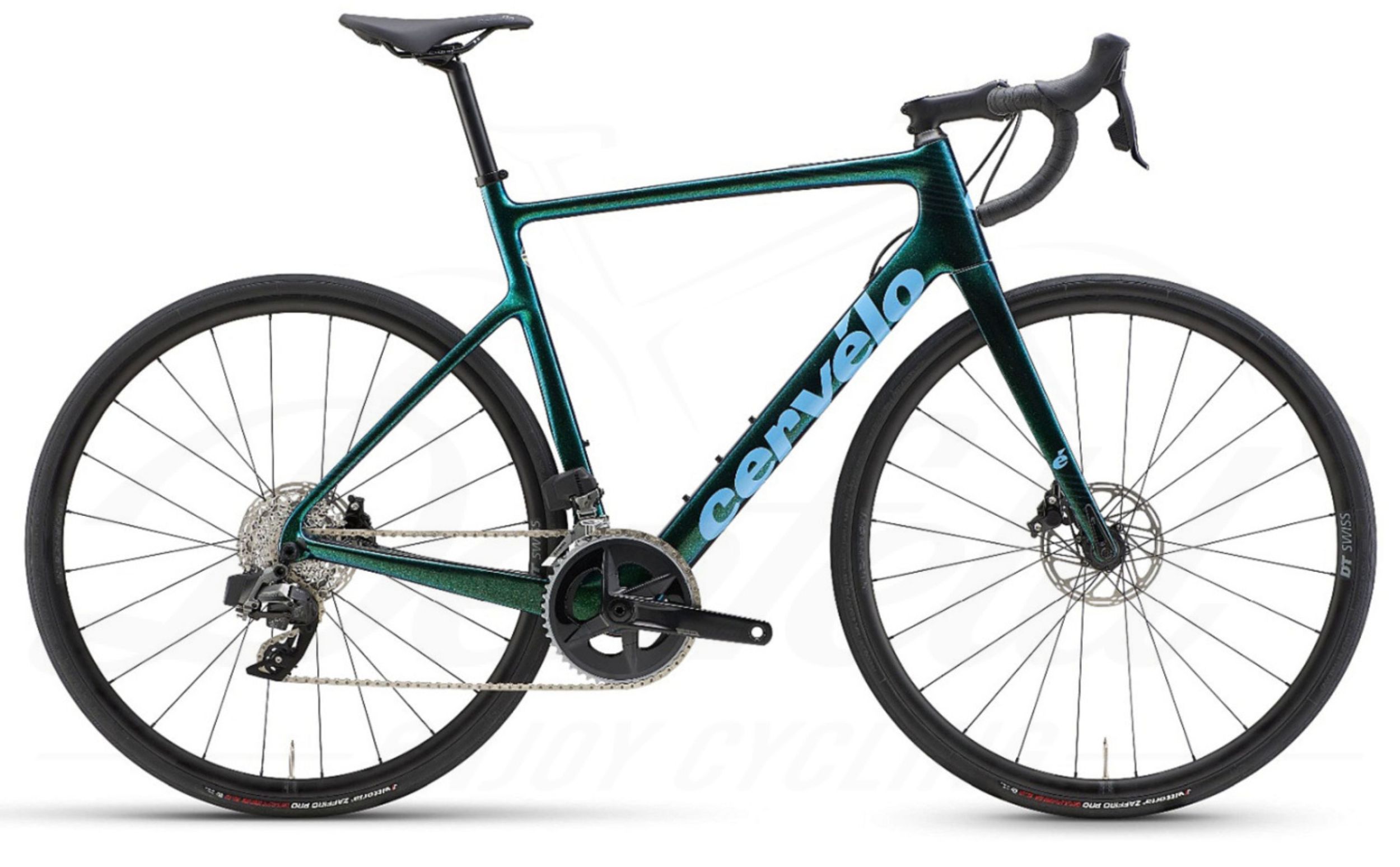
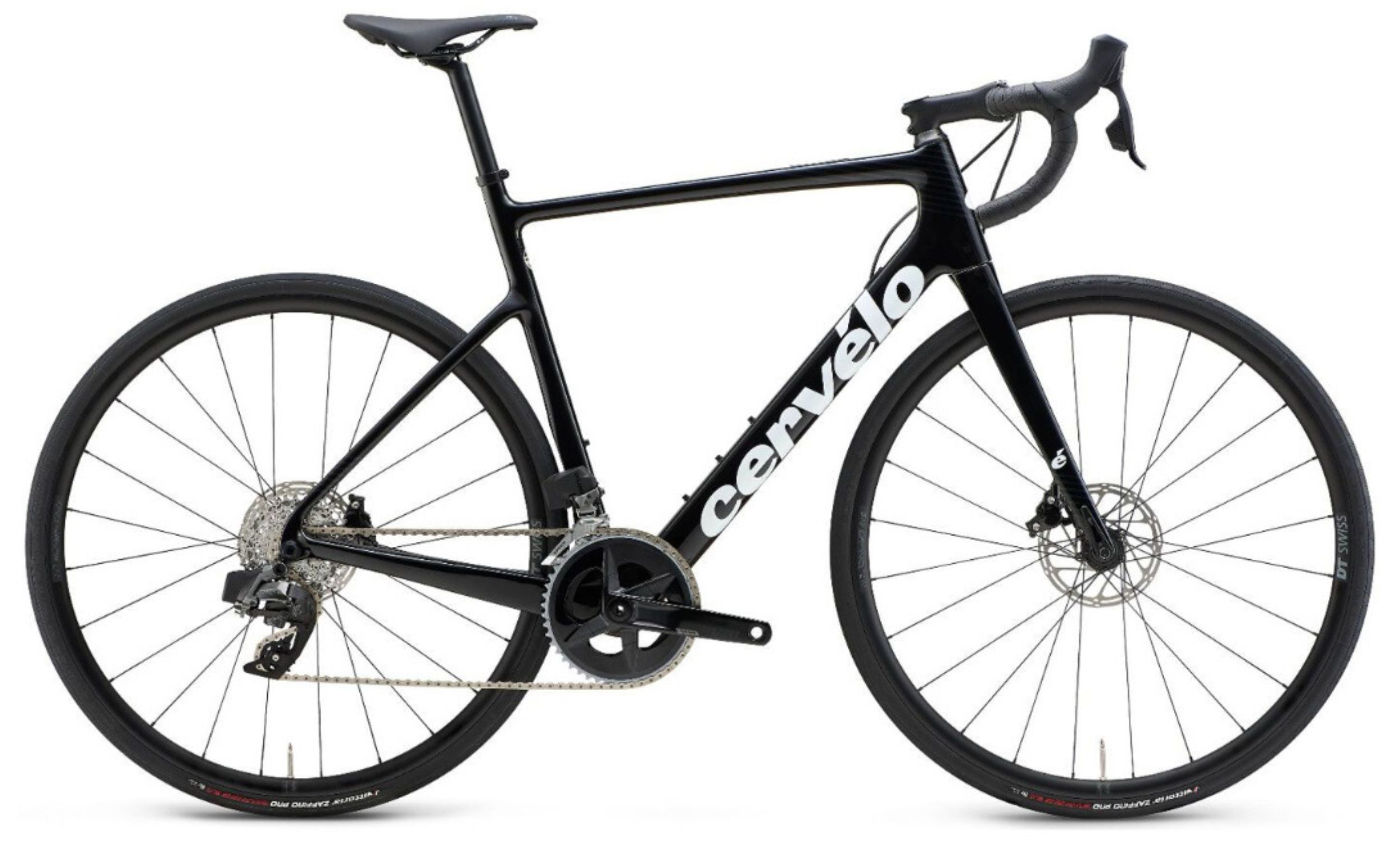
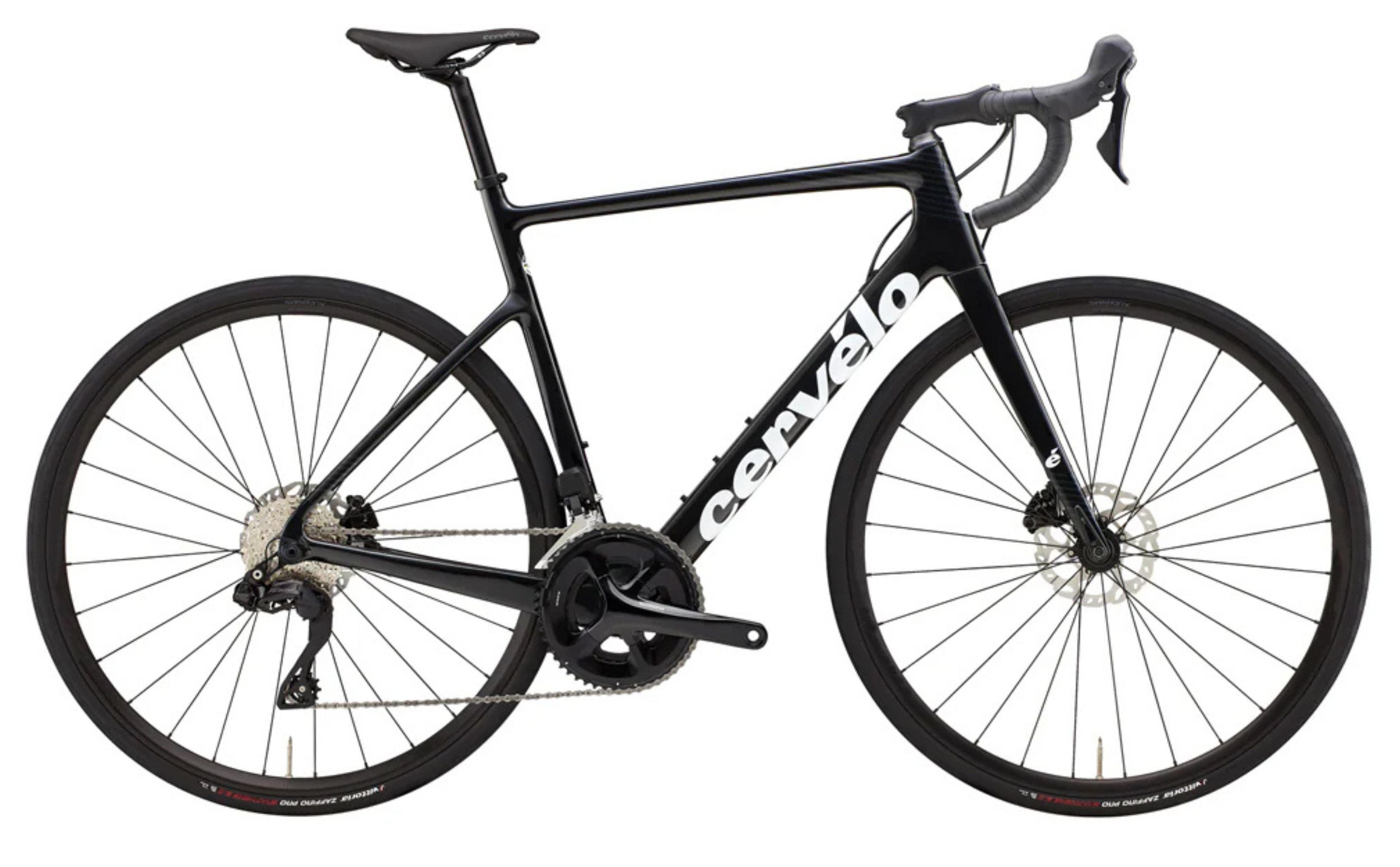
Cervélo
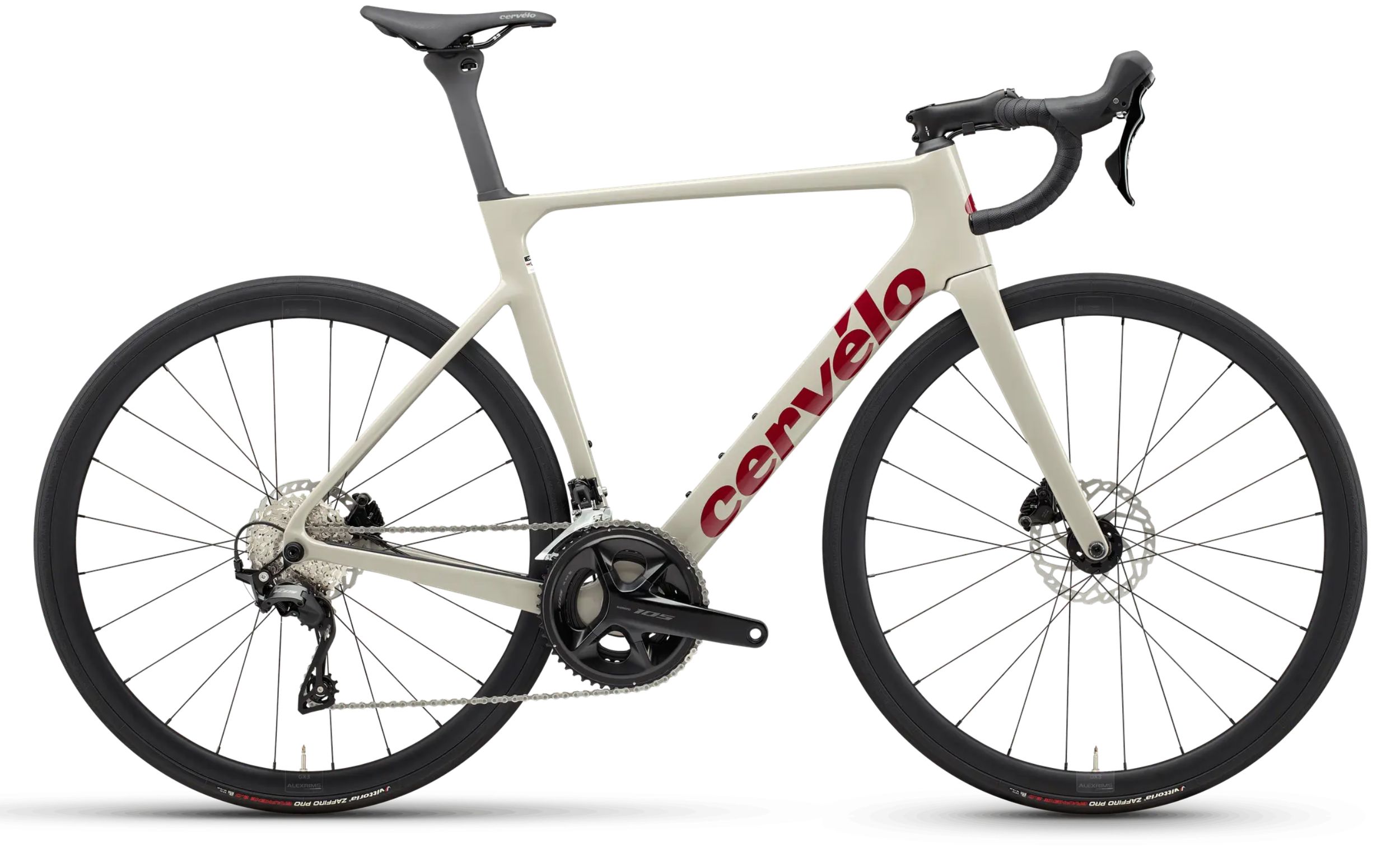
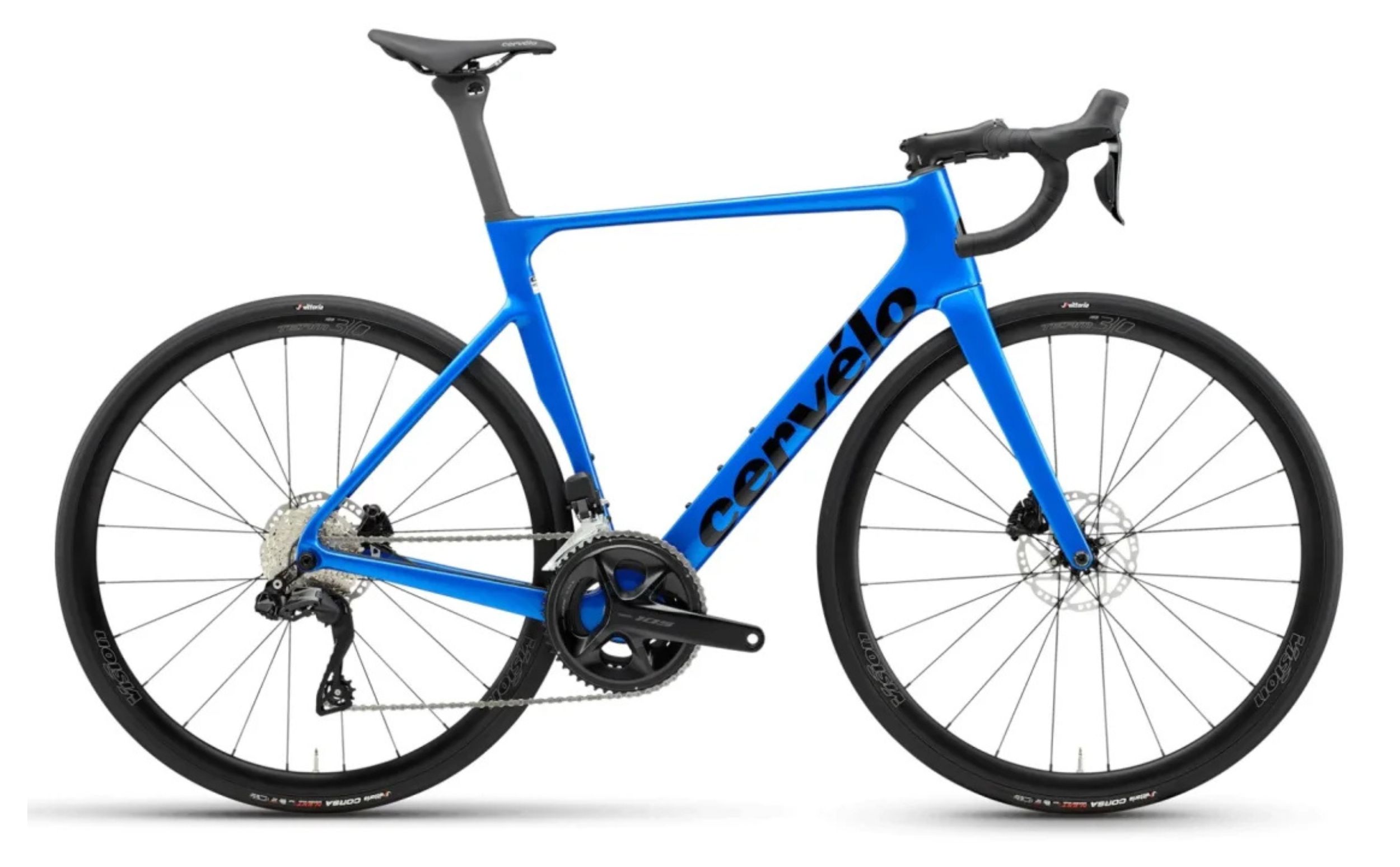
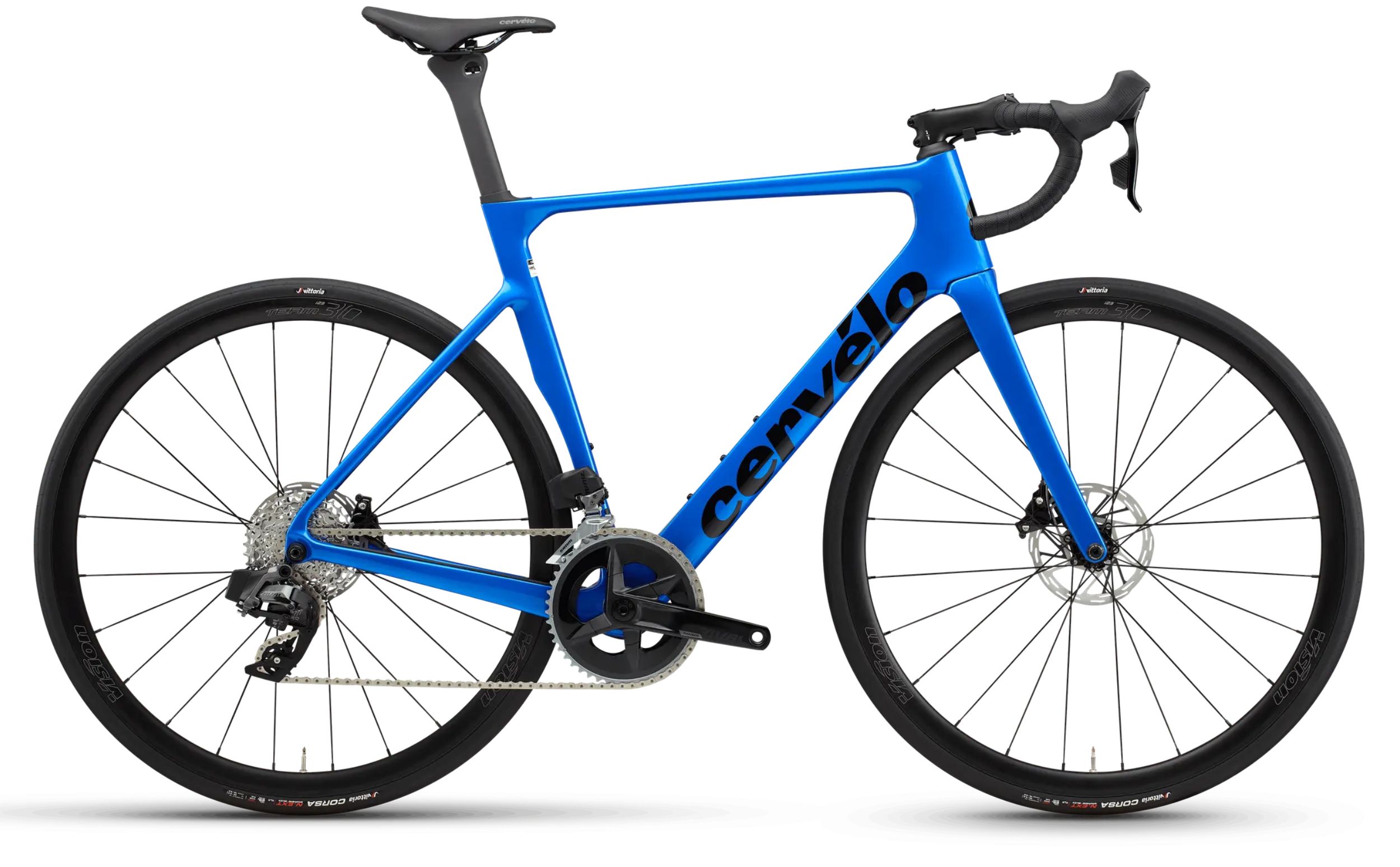
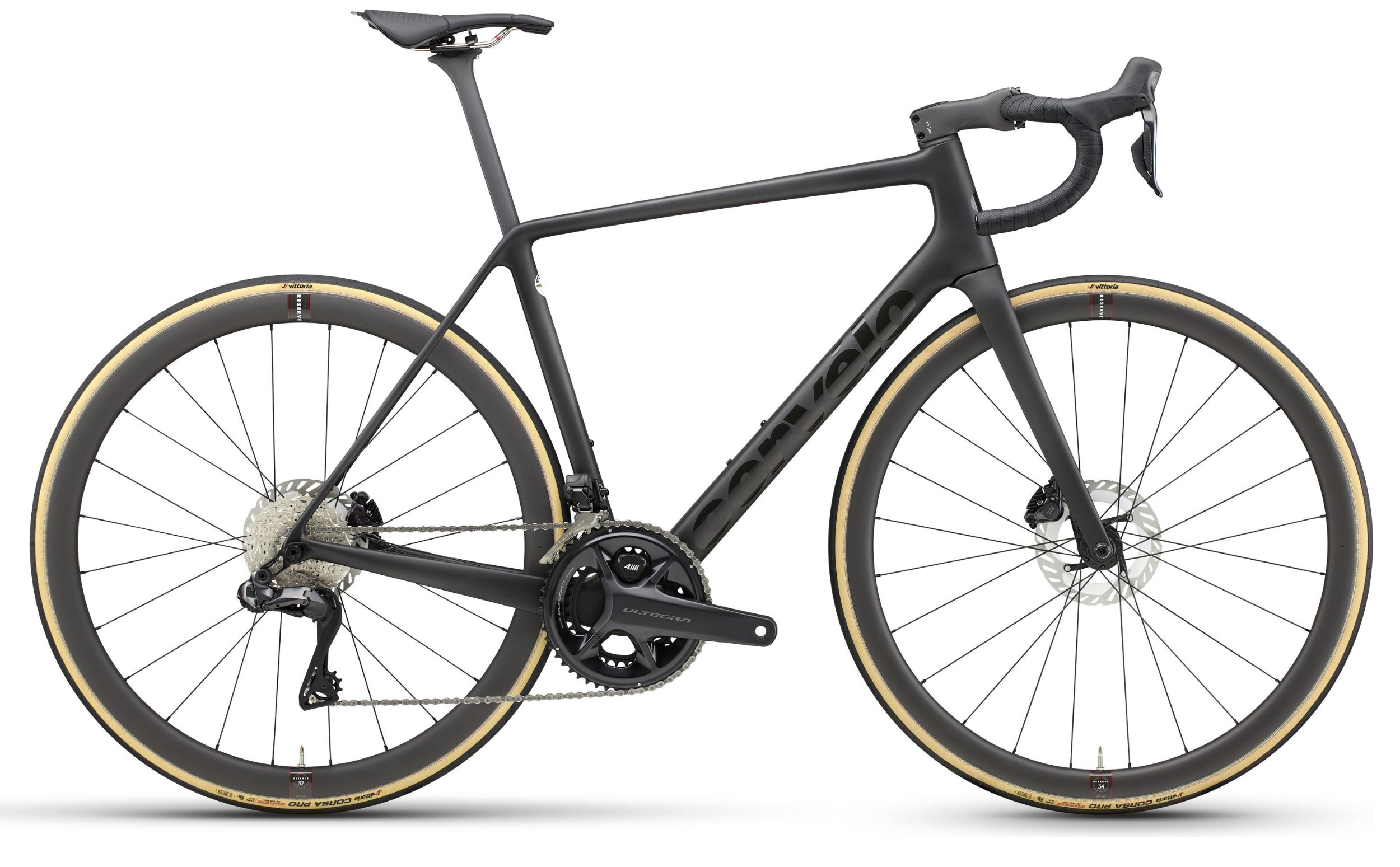
Cervélo racing bikes stand for maximum precision and performance - ideal for ambitious cyclists who don't want to compromise.
Cube
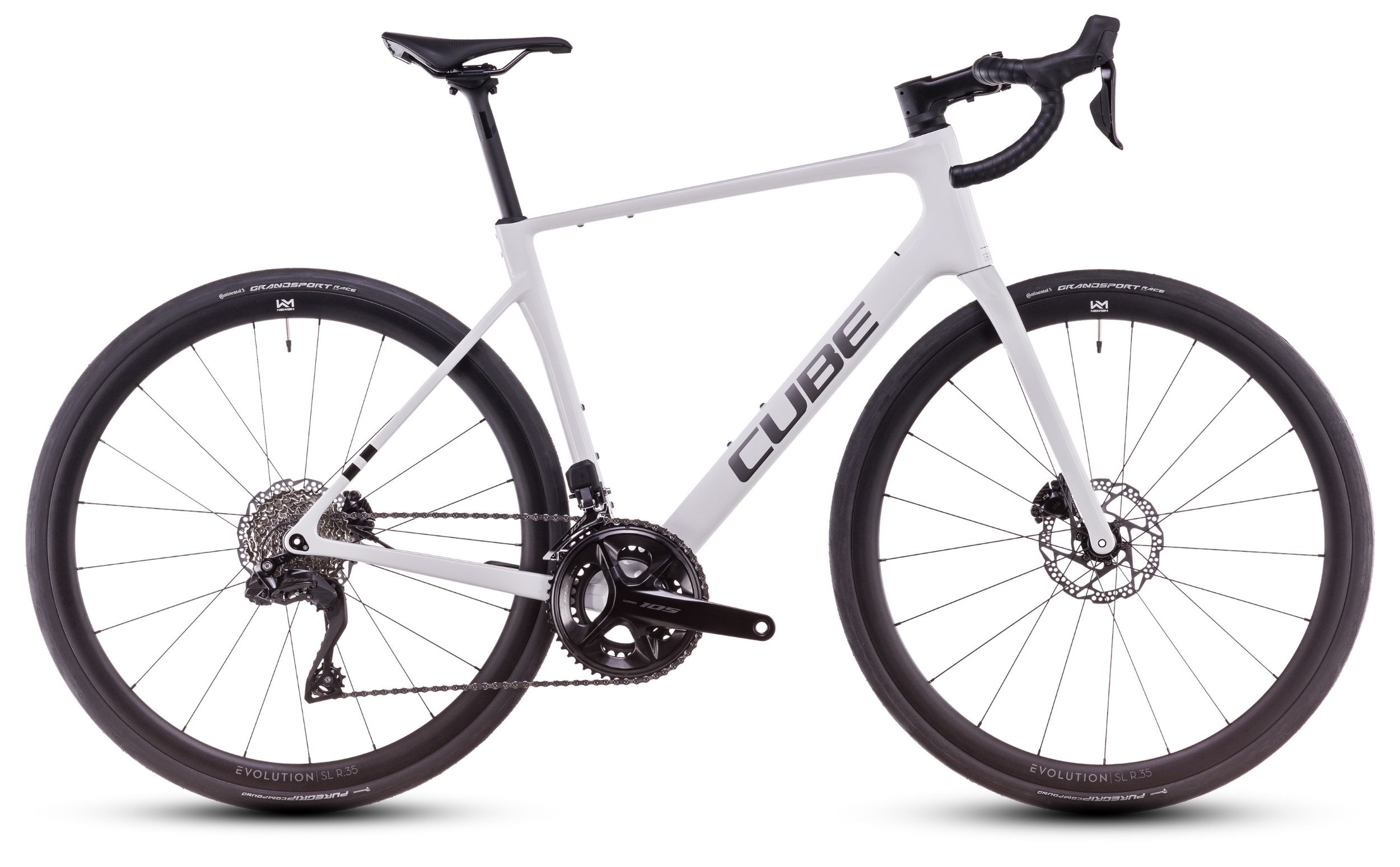
The wide range also includes a Cube road bike that harmonises quality and value for money. A must for anyone looking for a reliable bike.
Focus
A Focus road bike is characterised by its high stability and state-of-the-art technology - perfectly tailored to the needs of demanding riders.
How do you look after your road bike properly?
Regular maintenance of your road bike is essential to ensure the best long-term performance and safety. The following tips will make all the difference:
- Cleaning and lubrication: Remove dirt and brake dust after every ride and ensure regular lubrication of the chain.
- Component check: Regularly check brakes, gears and wheels for wear.
- Changing tyres: Pay attention to tyre wear and change them when the tread depth falls below a recommended level.
- Chain care: Keep the chain clean and oiled to ensure smooth shifting performance.
FAQs
Ist ein Gravelbike langsamer als ein klassisches Rennrad?
Gravel Bikes bieten zwar einen etwas höheren Rollwiderstand, sind aber durch breitere Reifen und robustere Komponenten komfortabler – vor allem auf unbefestigten Straßen. Sie sind ideal, wenn du auch abseits der asphaltierten Straßen unterwegs sein möchtest.
Welches Rennrad passt zu mir?
Die Wahl des passenden Rennrades hängt von Deinen Fahrzielen, Deinem Budget und Deinen persönlichen Präferenzen ab. Eine Probefahrt hilft Dir, das richtige Modell zu finden.
Welche Rennradschuhe und Helme sind empfehlenswert?
Rennradschuhe sollten eng anliegen und eine gute Kraftübertragung bieten. Rennradhelme gibt es in verschiedenen Varianten – vor allem Leicht- und Aerodynamikmodelle sind sehr beliebt.
Was kostet ein gutes Rennrad?
Die Preise variieren stark. Einsteiger-Modelle beginnen bei rund 1000€, während High-End-Rennräder bis über 10.000€ kosten können. Entscheidend sind die verwendeten Materialien, die Schaltgruppe und das Gesamtpaket.