
Average rating of 5 out of 5 stars
E-Mountain Bike: Your personal guide to off-road adventures
What is an e-mountain bike?
An e-mountain bike (e-MTB) is a mountain bike fitted with an additional electric motor for assistance; it is classified as a pedelec in the EU in accordance with EN 15194 and the motor assistance cuts out at 25 km/h. Despite the motor, pedalling remains essential: The sporty riding experience is fully preserved. E-MTBs make long tours, steep climbs and challenging routes easier. The German e-bike market is growing steadily. According to market data from the ZIV (German Bicycle Industry Association), e-bikes now account for a significant proportion of all bicycle sales in Germany, with e-mountain bikes being among the most popular categories.
The advantages of an e-mountain bike
- Powerful assistance : Master steep climbs effortlessly.
- Longer rides : Greater range without extreme exhaustion.
- Better riding experience : More time in nature thanks to extended routes.
- Accessibility : E-MTBs enable riders of different fitness levels to complete challenging rides together.
Types of e-mountain bikes: Which one is right for you?
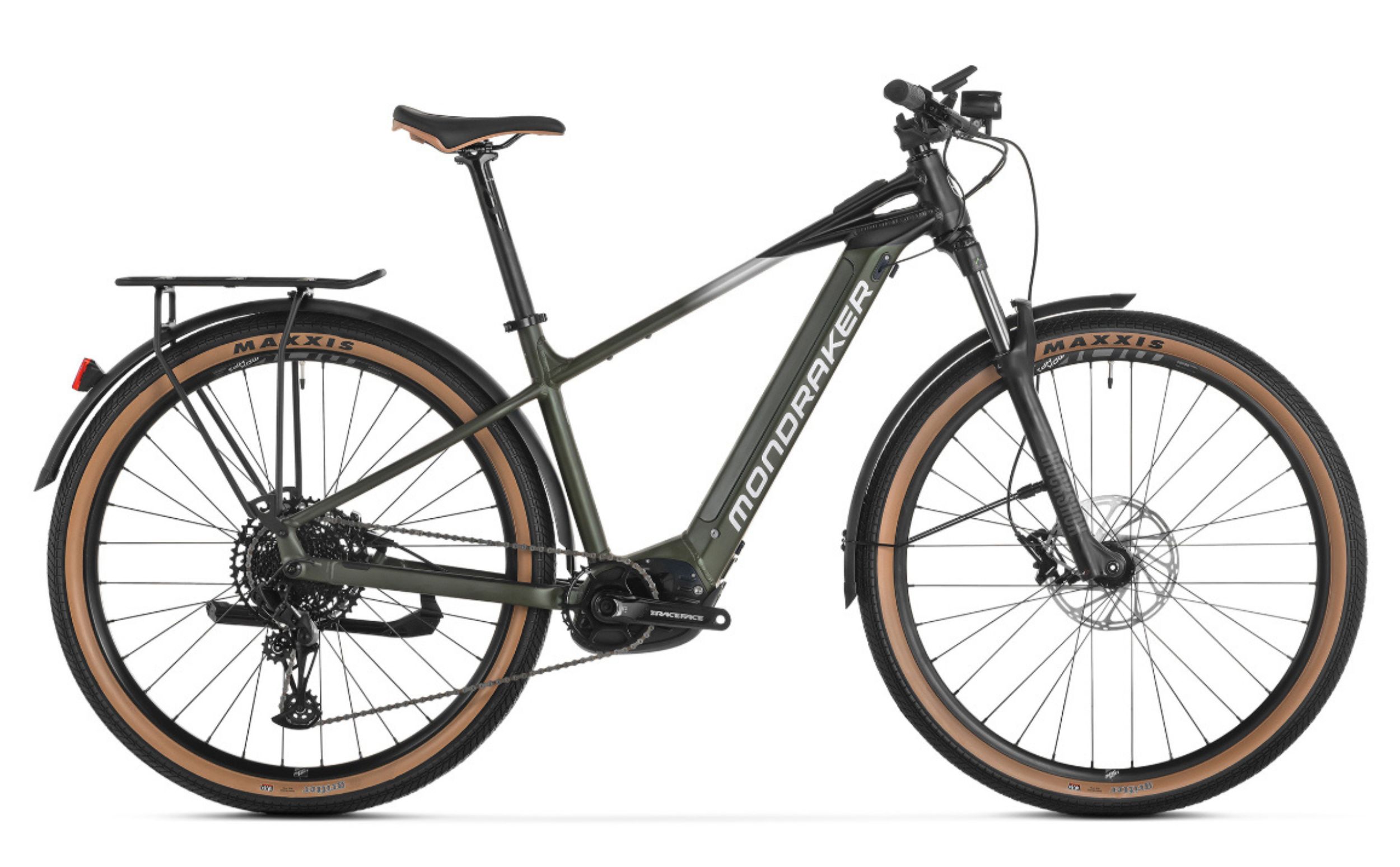
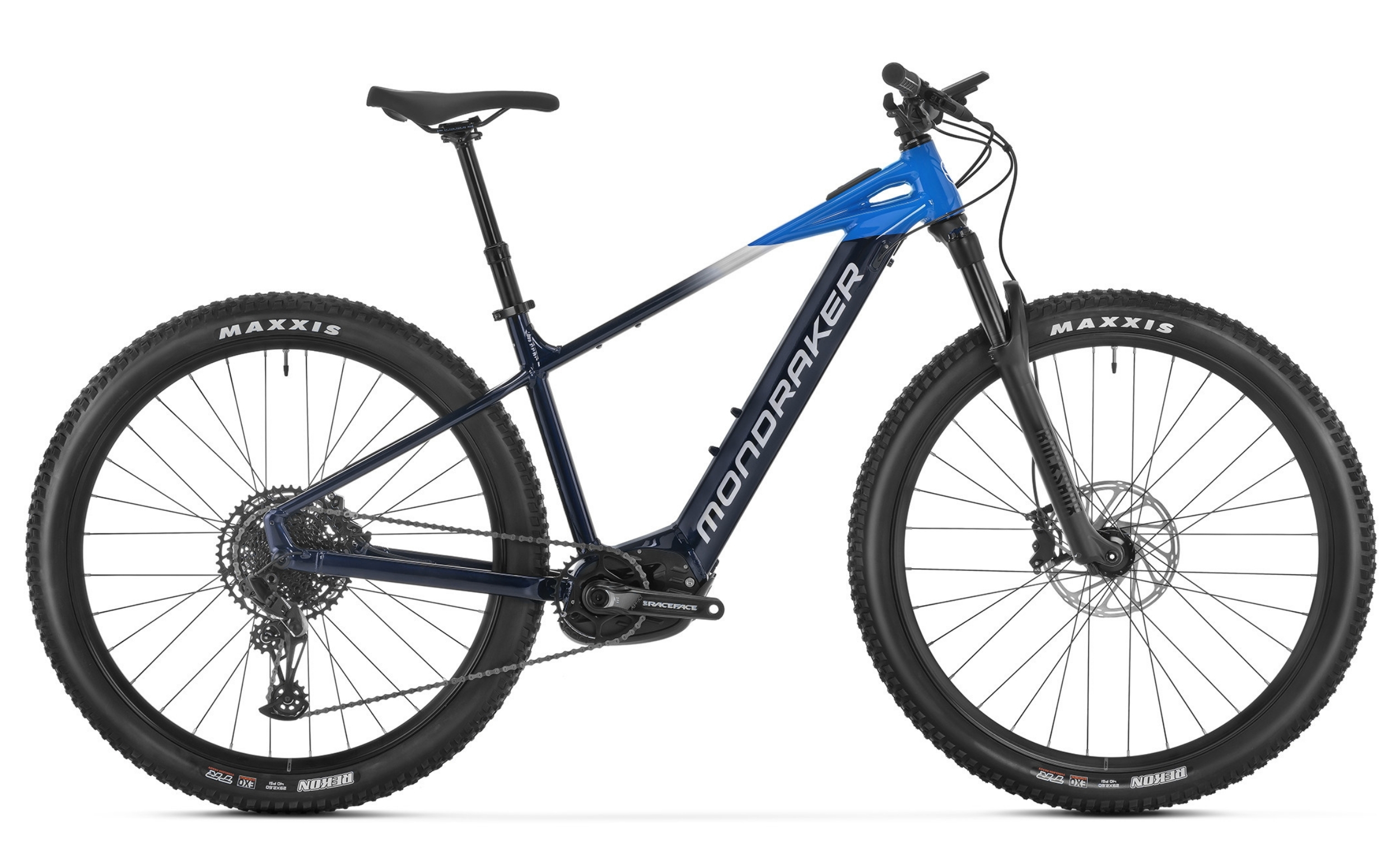
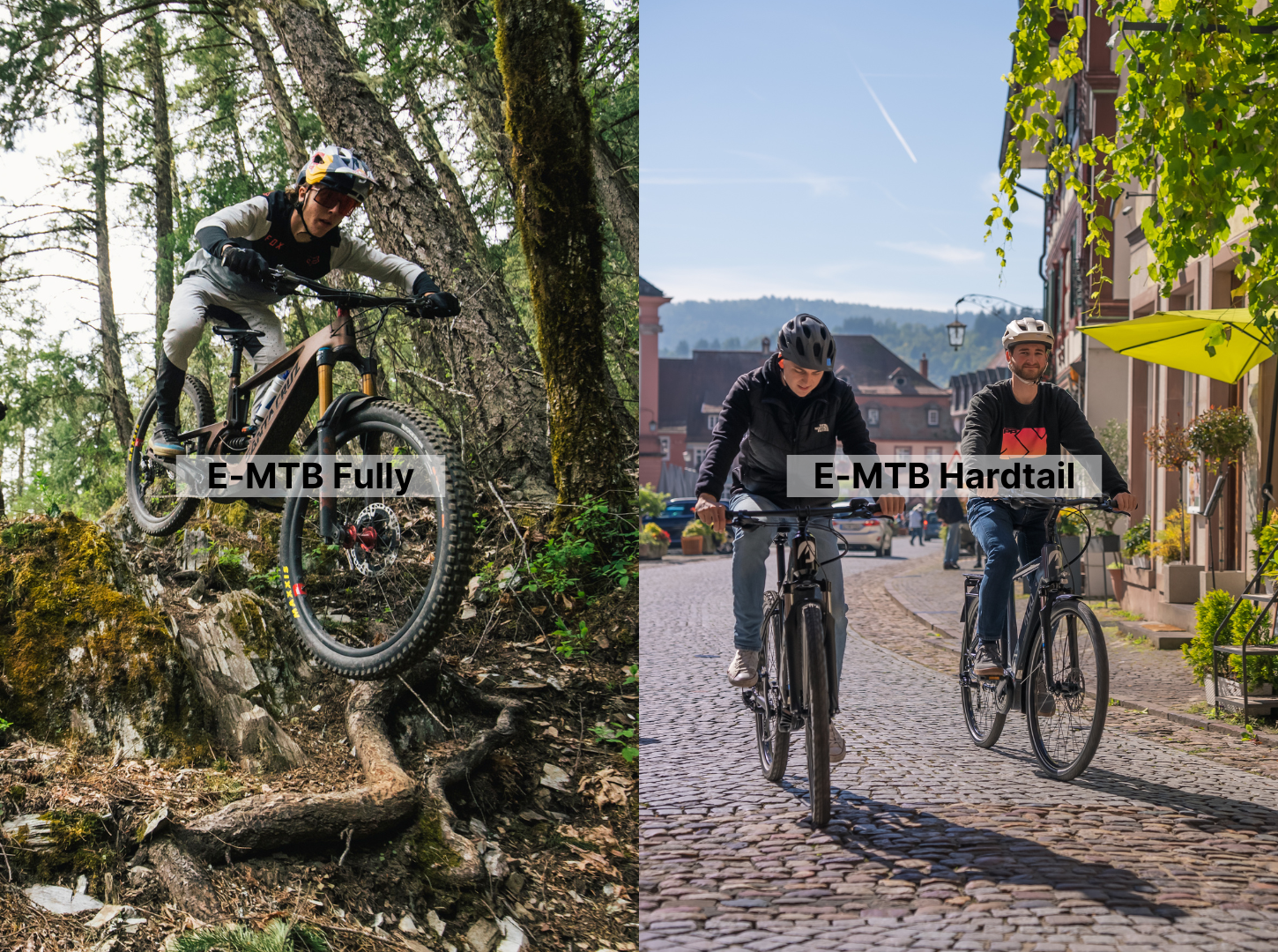
E-MTB Hardtail
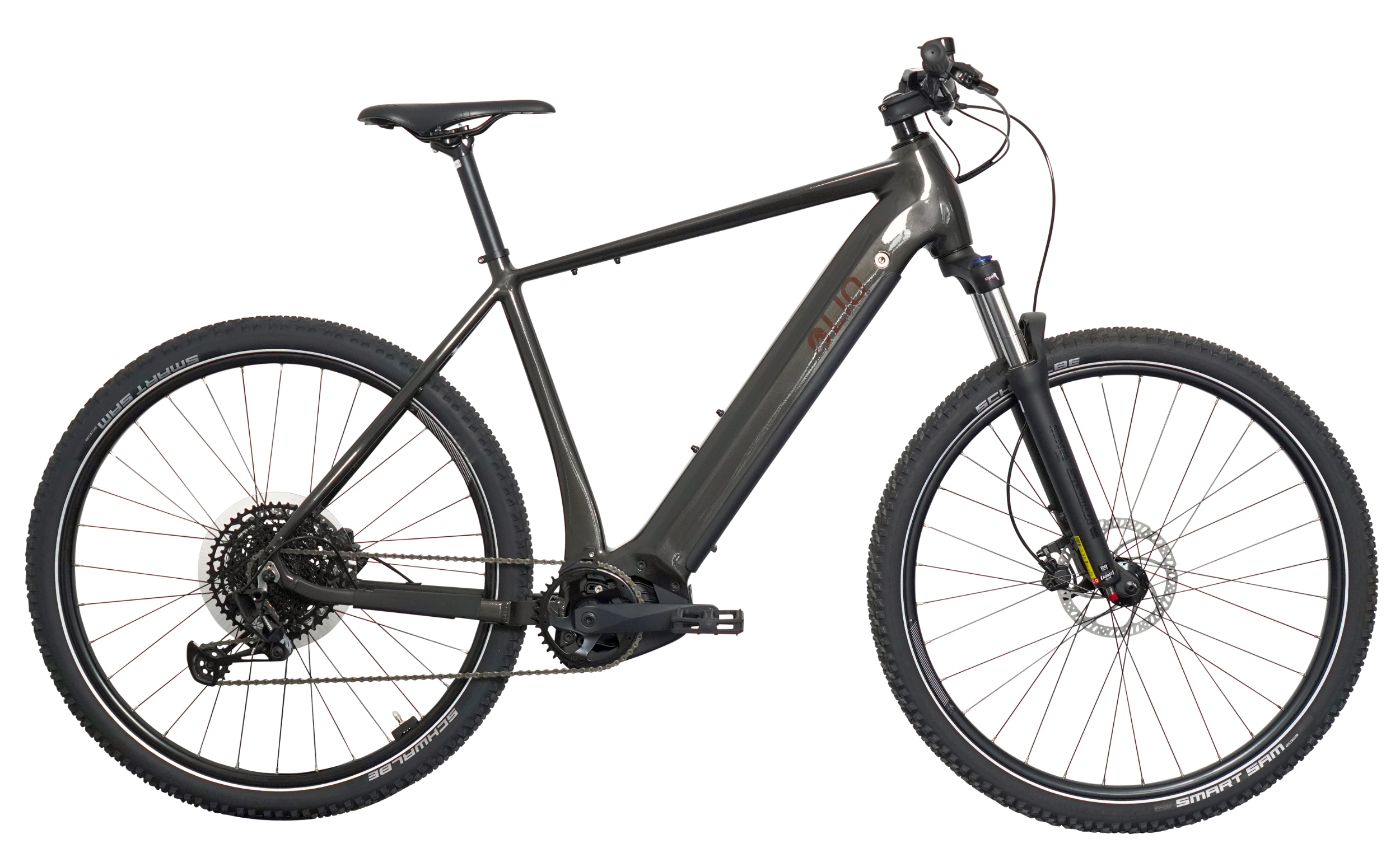
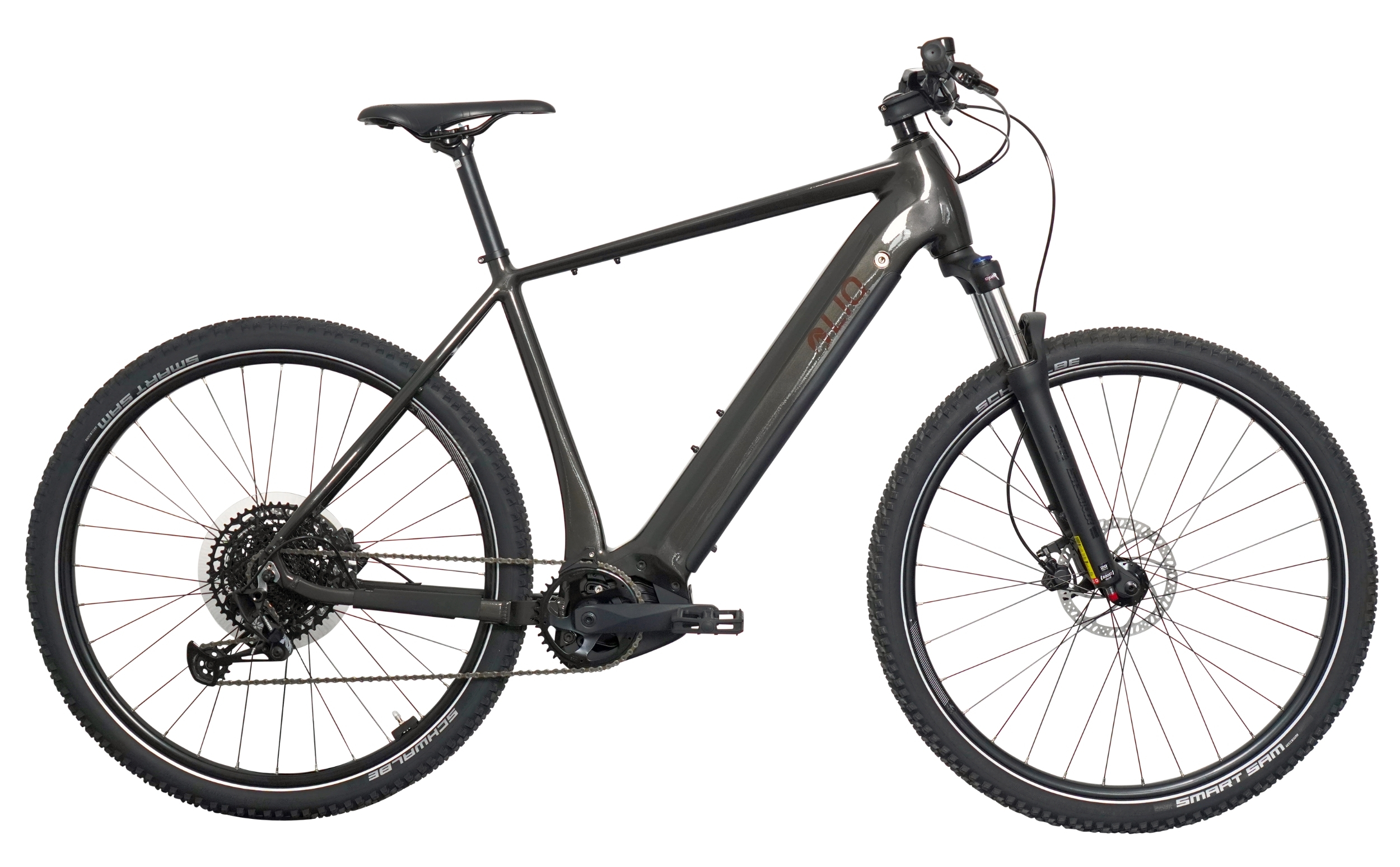
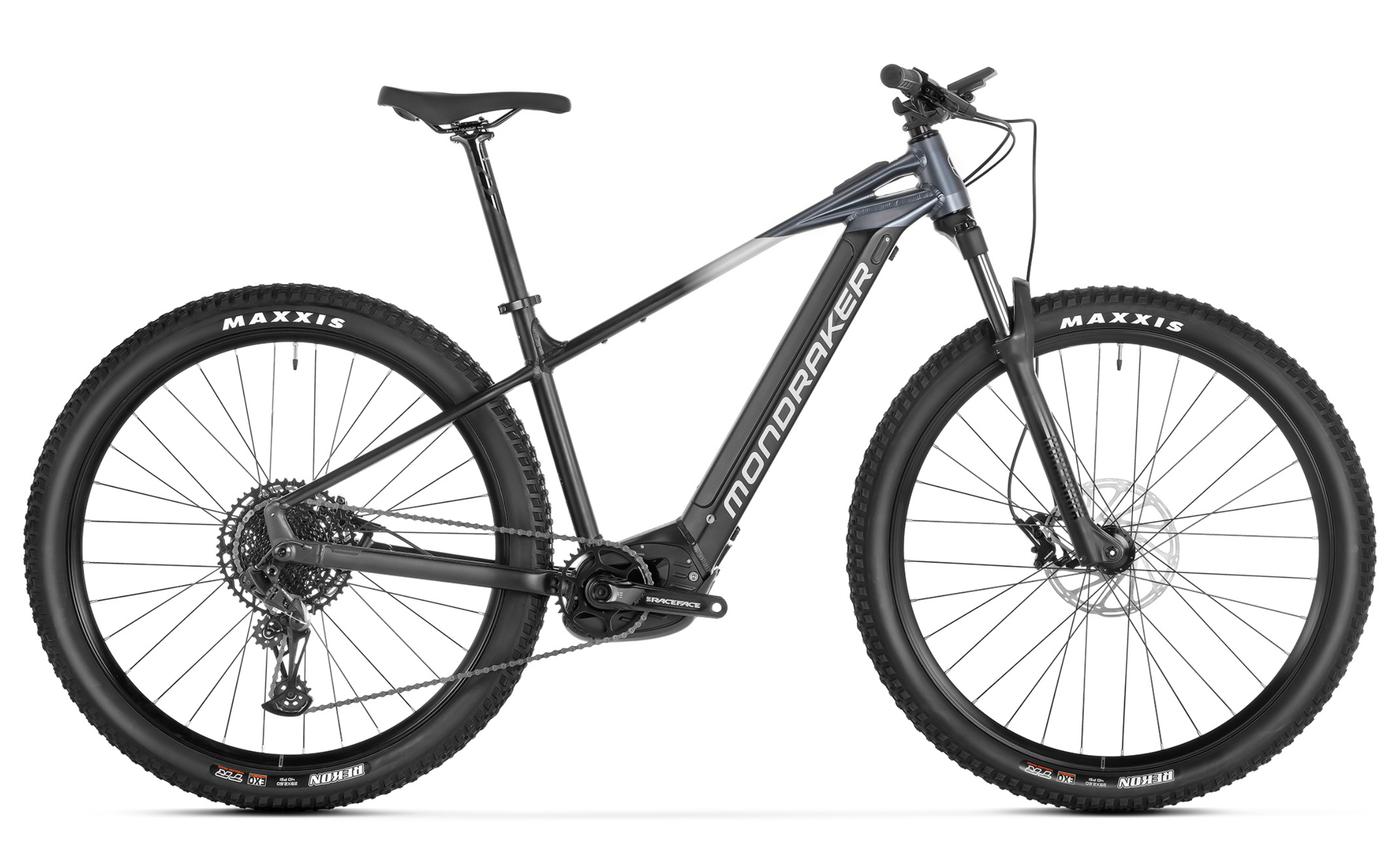
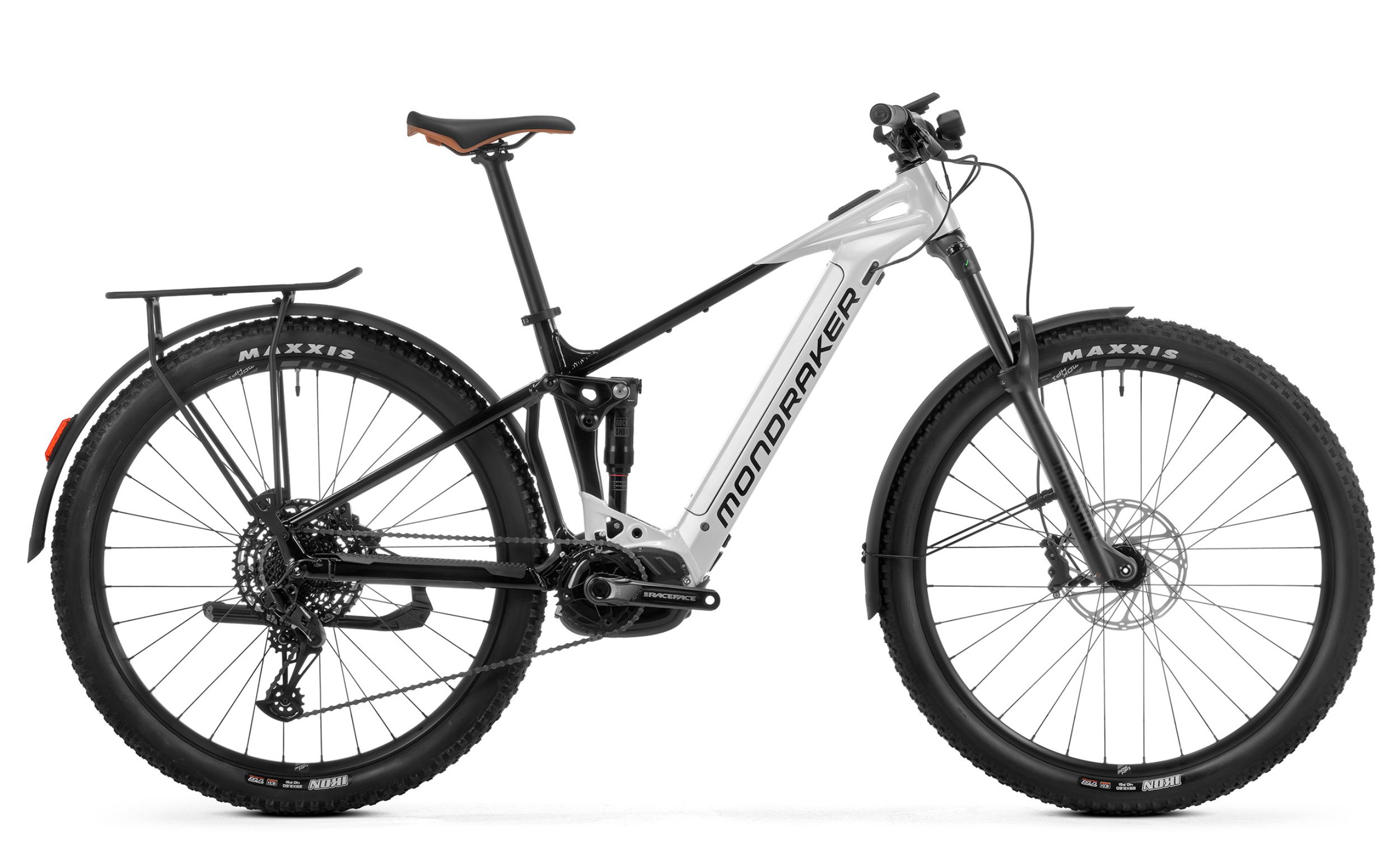
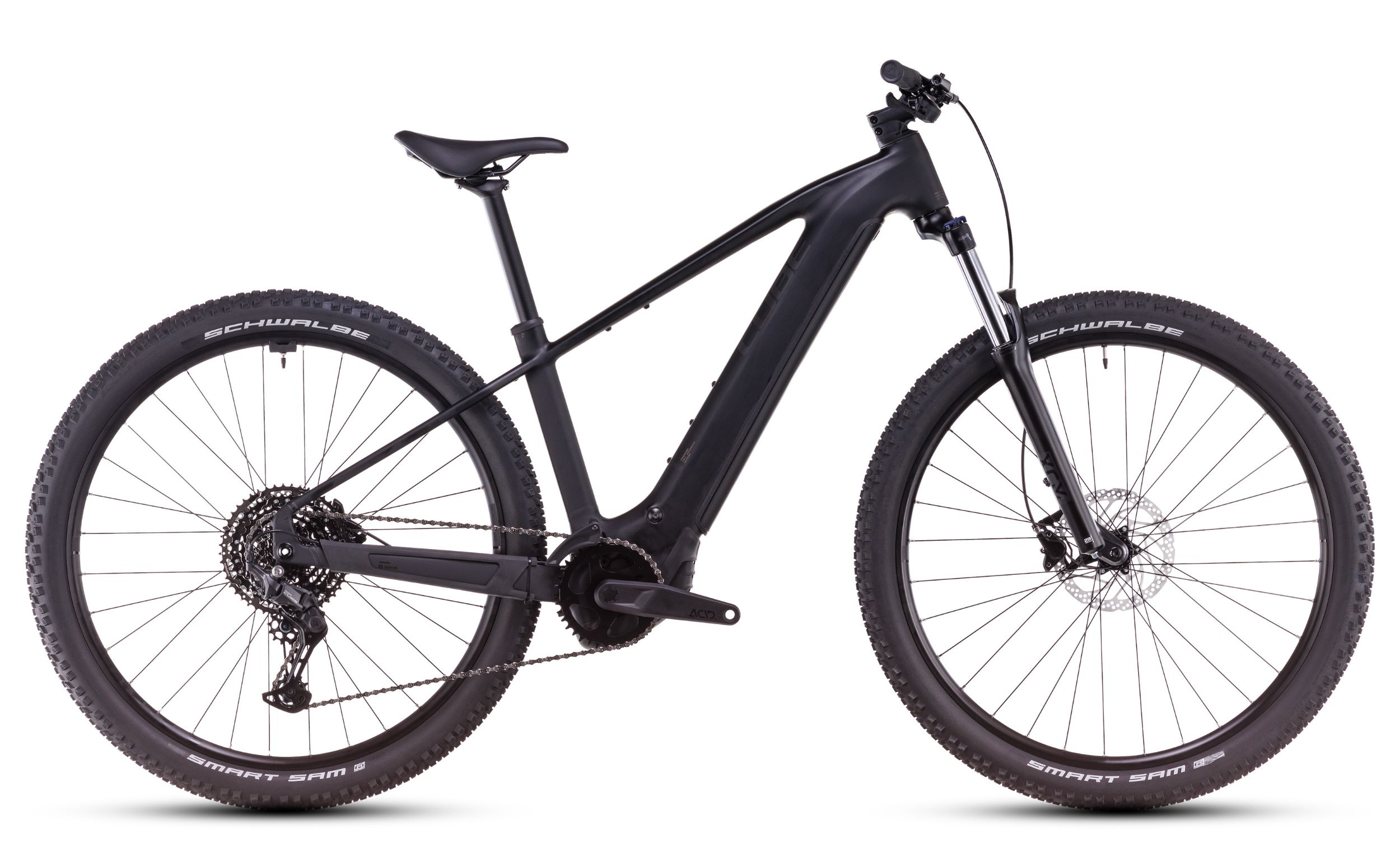
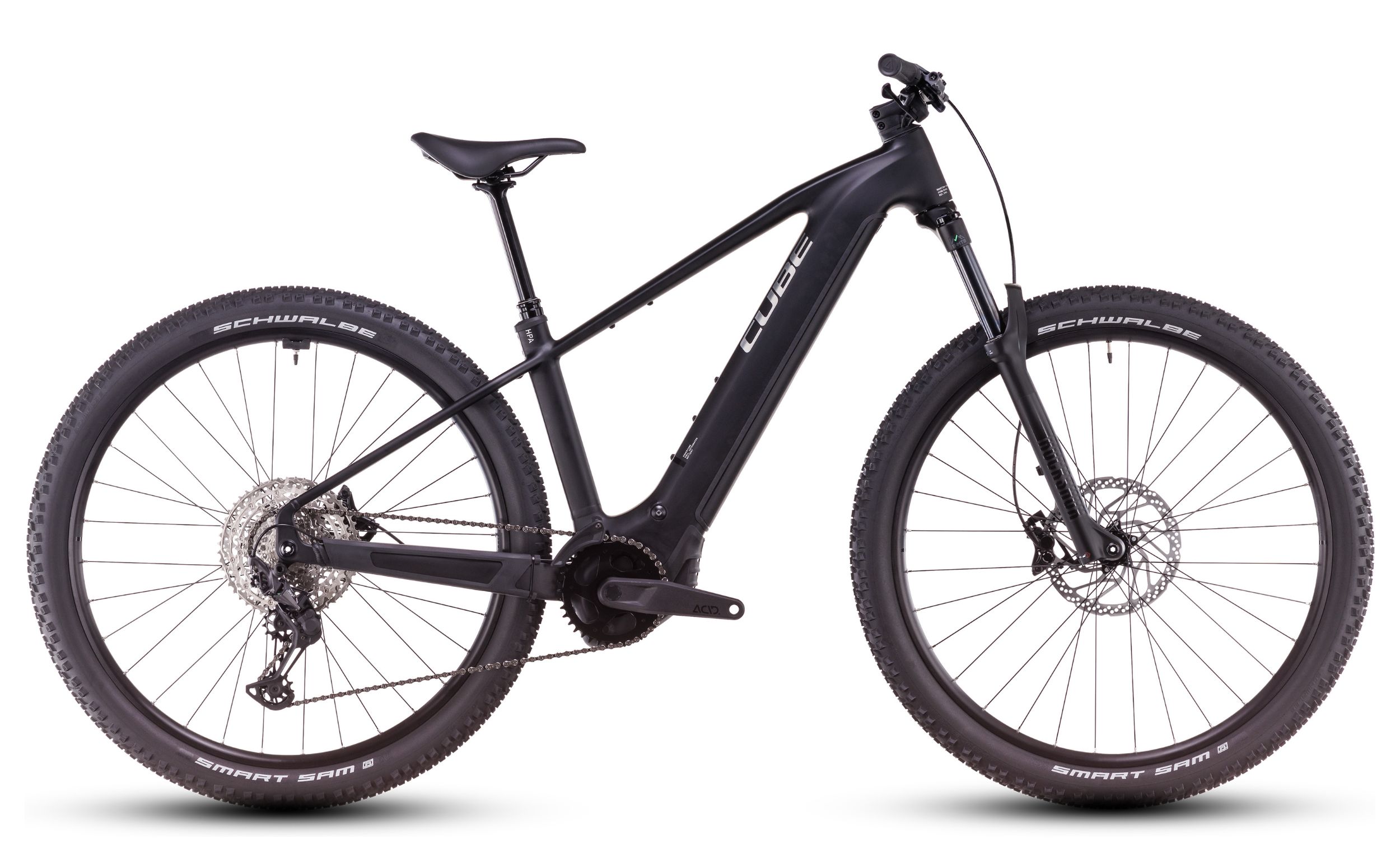
- Suspension on the front fork only.
- Lighter and more efficient, ideal for cross-country and touring.
- Perfect for fast and dynamic rides.
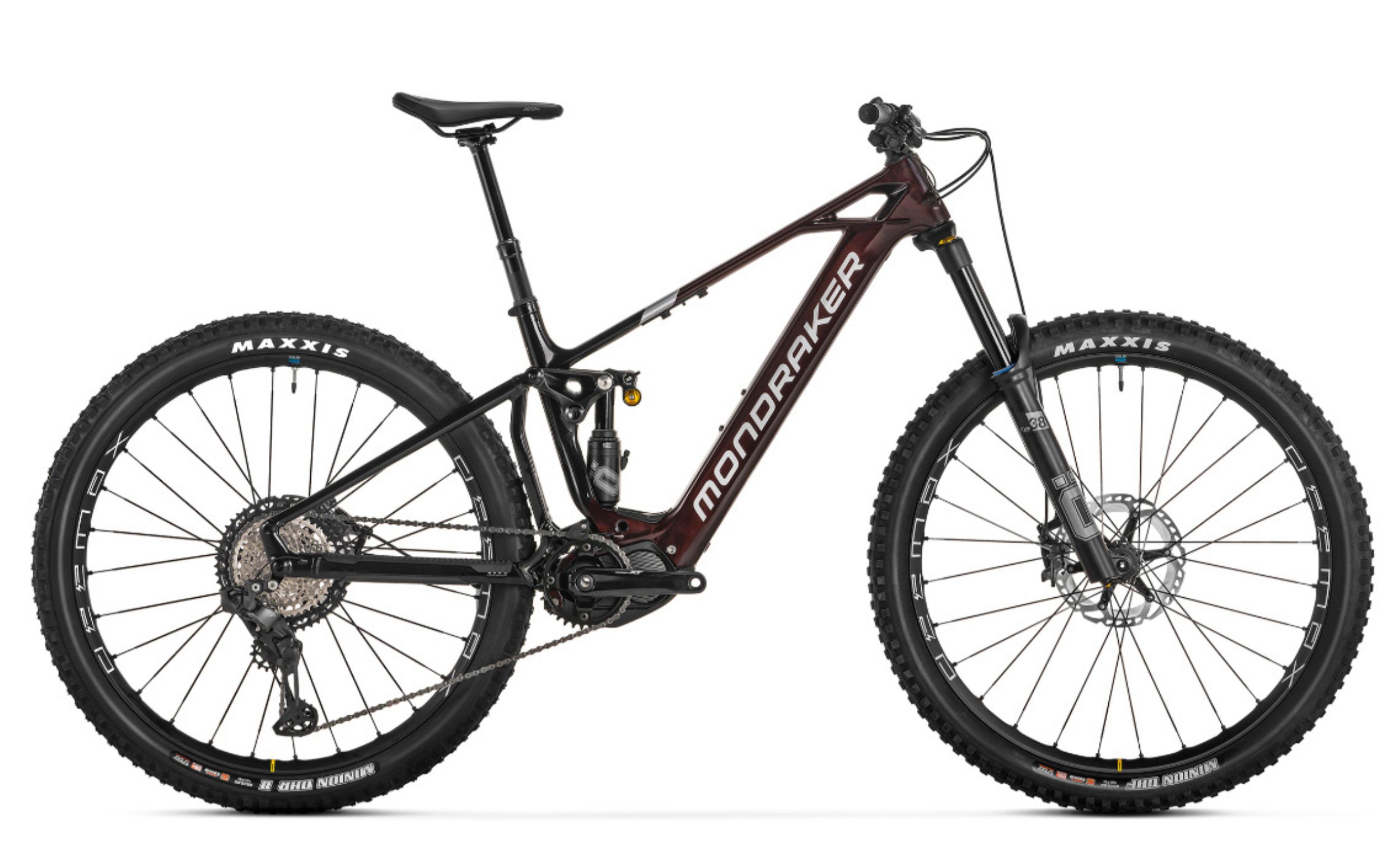
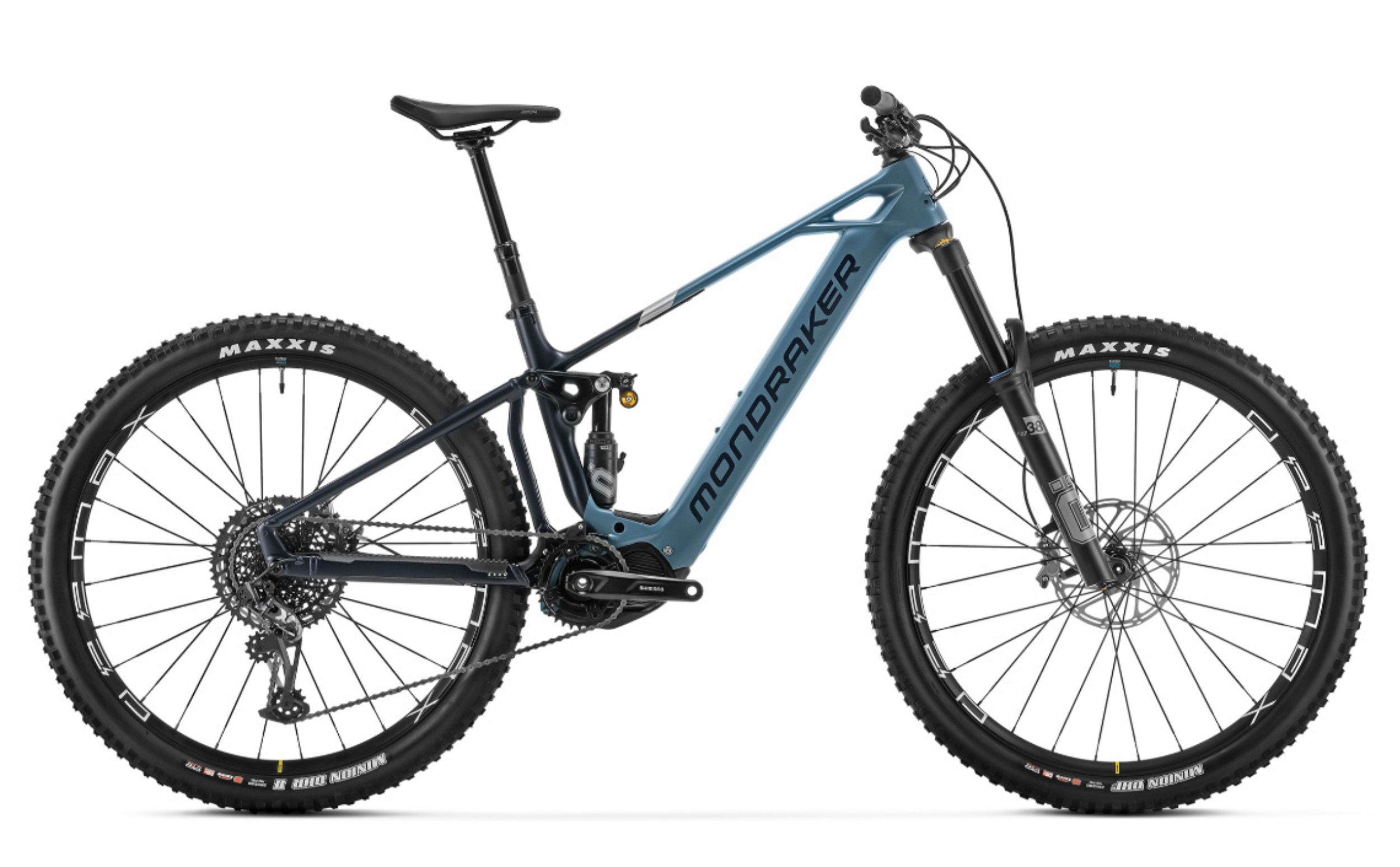
E-MTB Fully
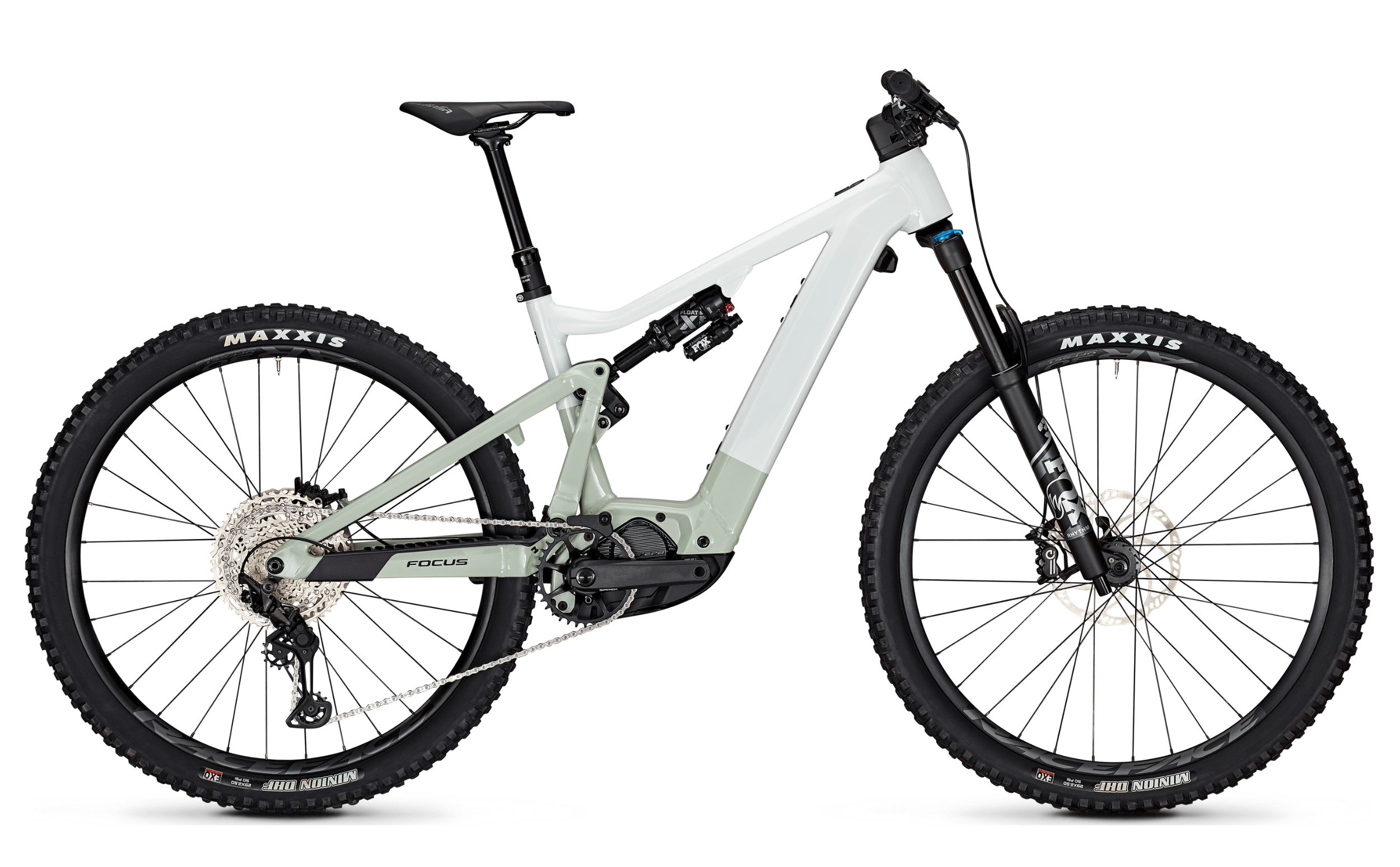
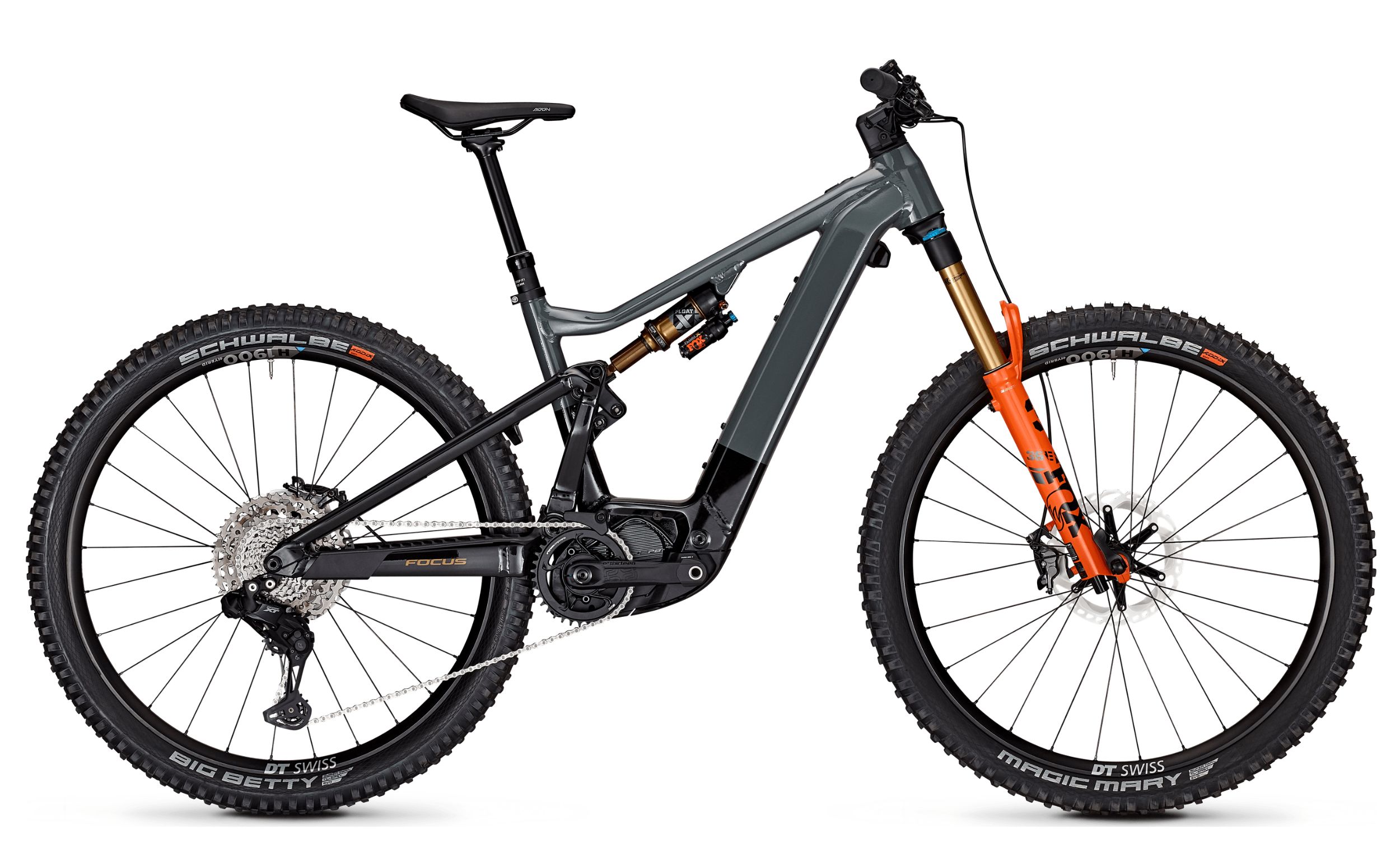
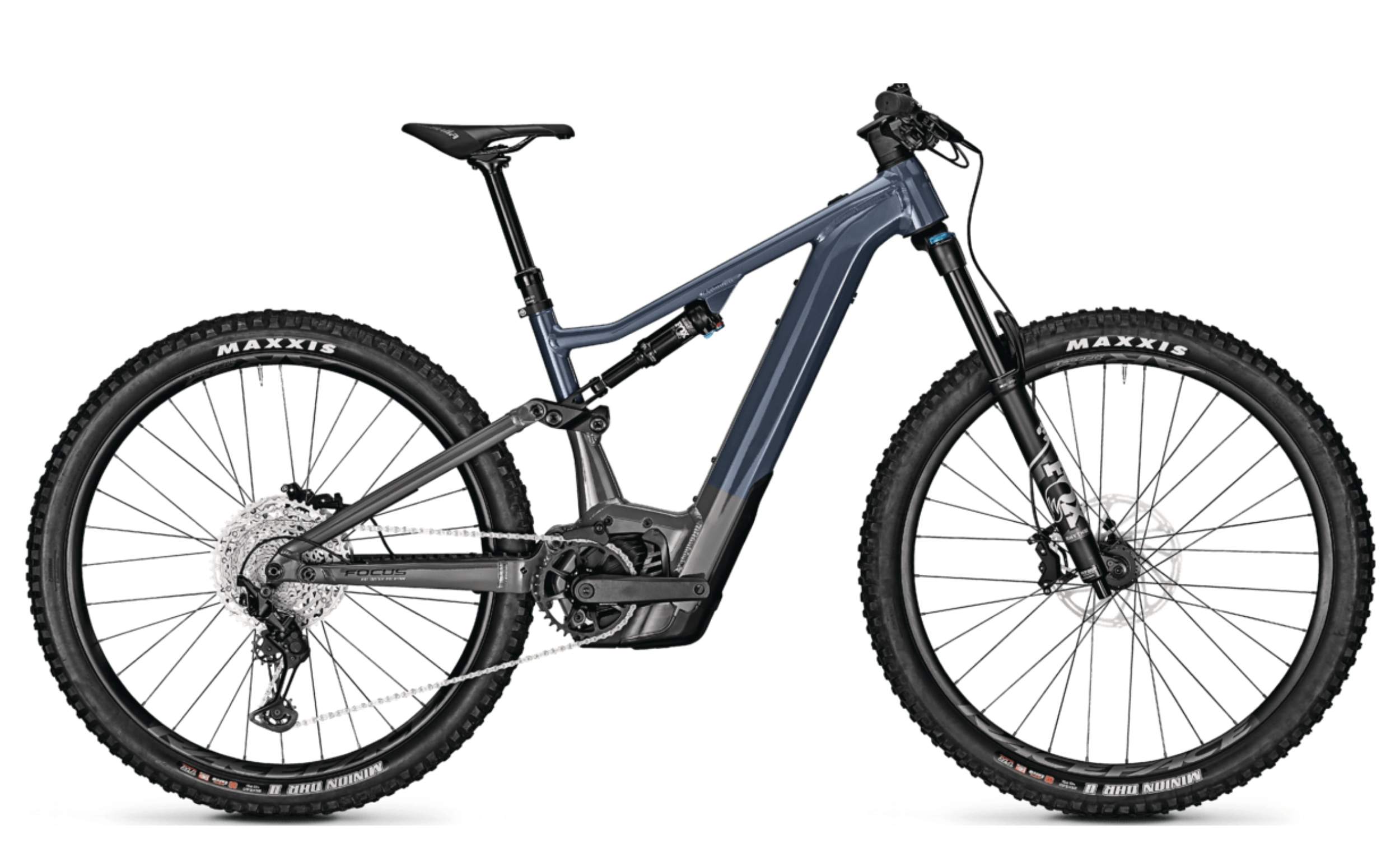
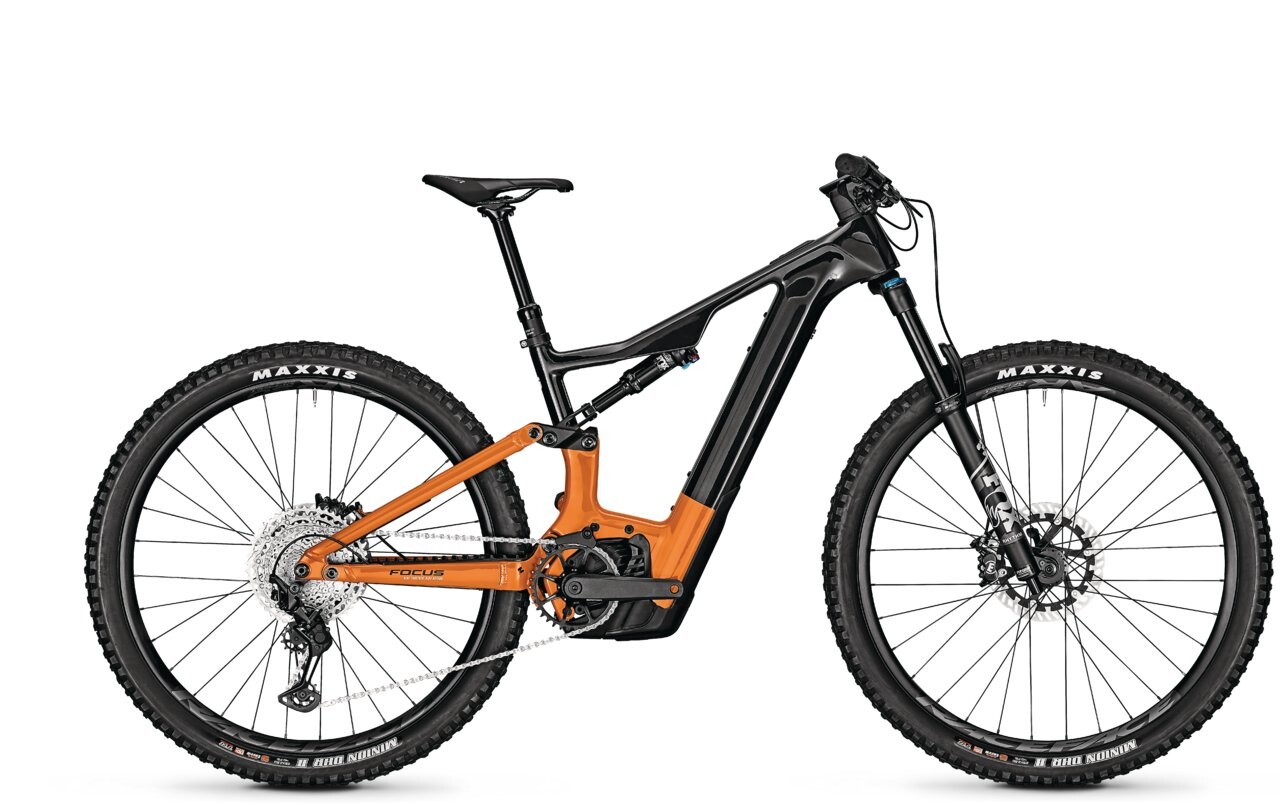
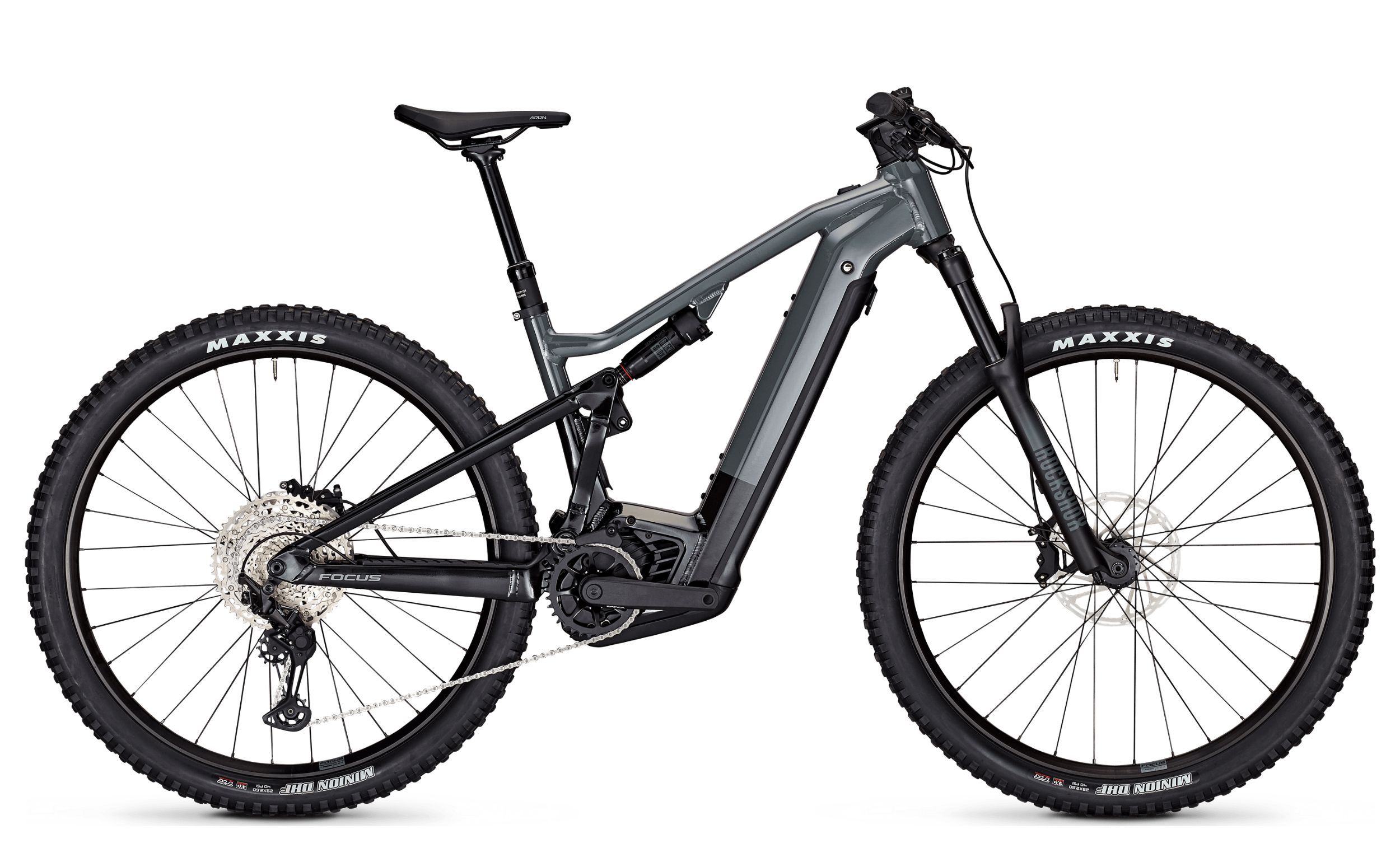
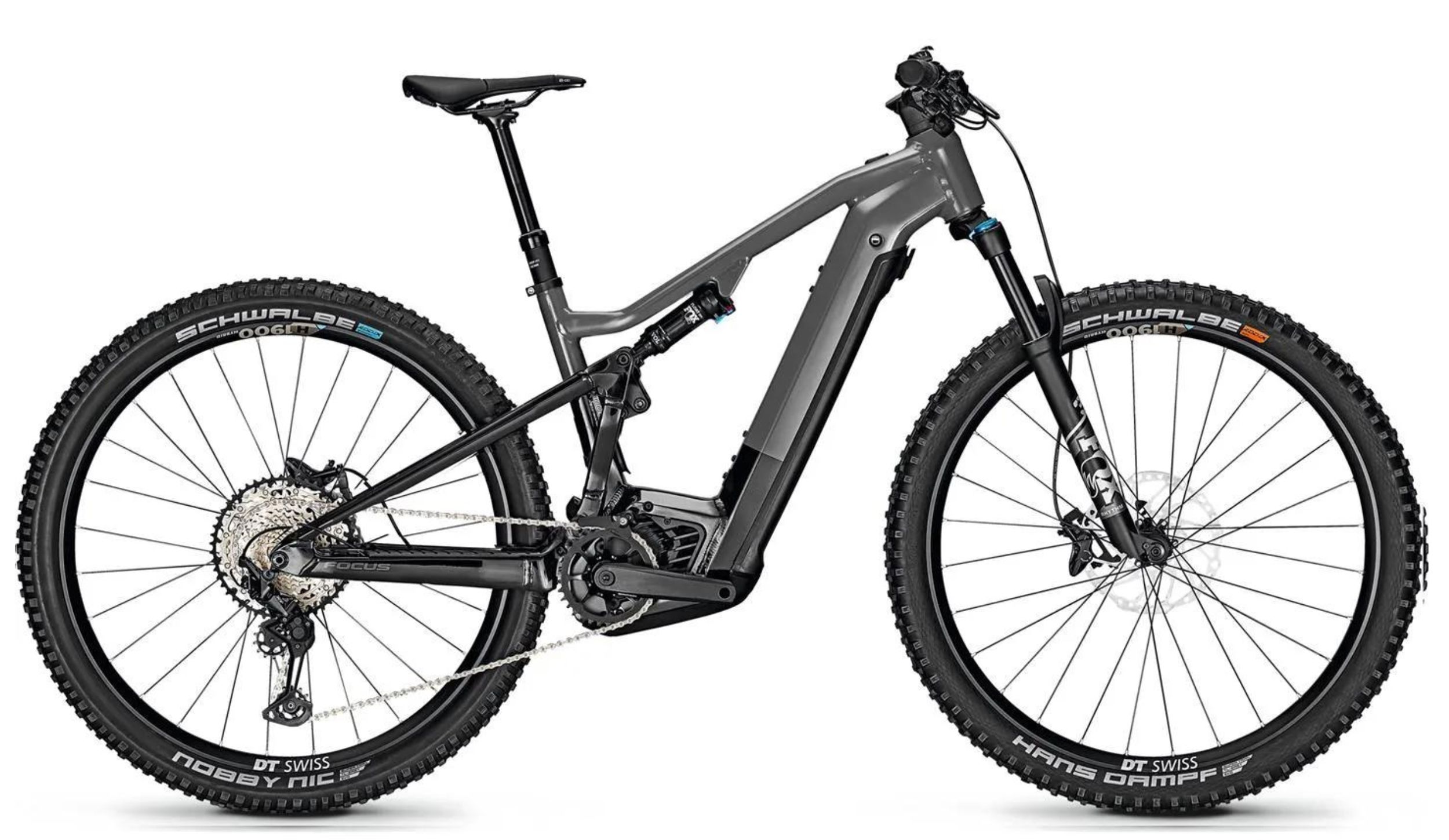
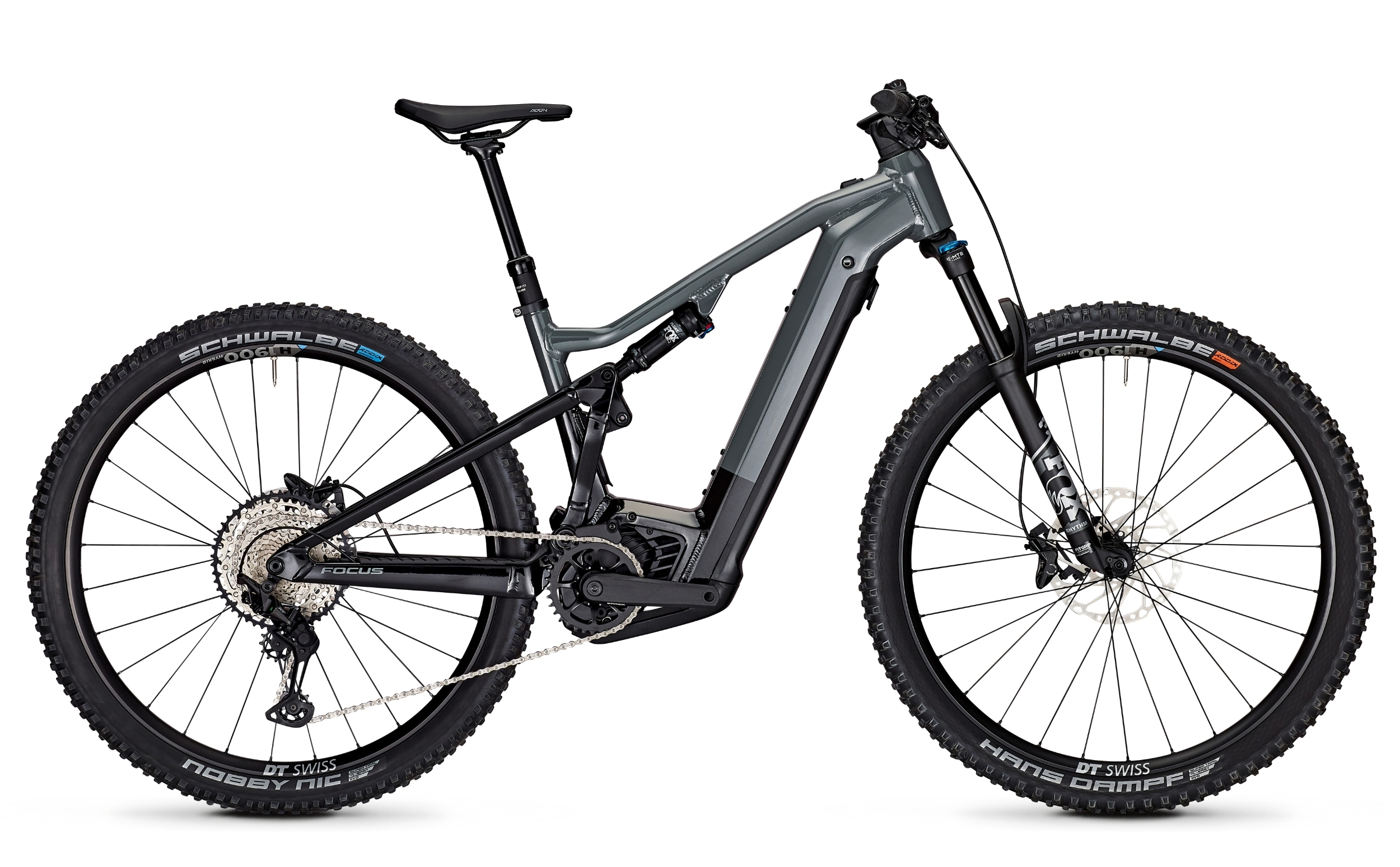
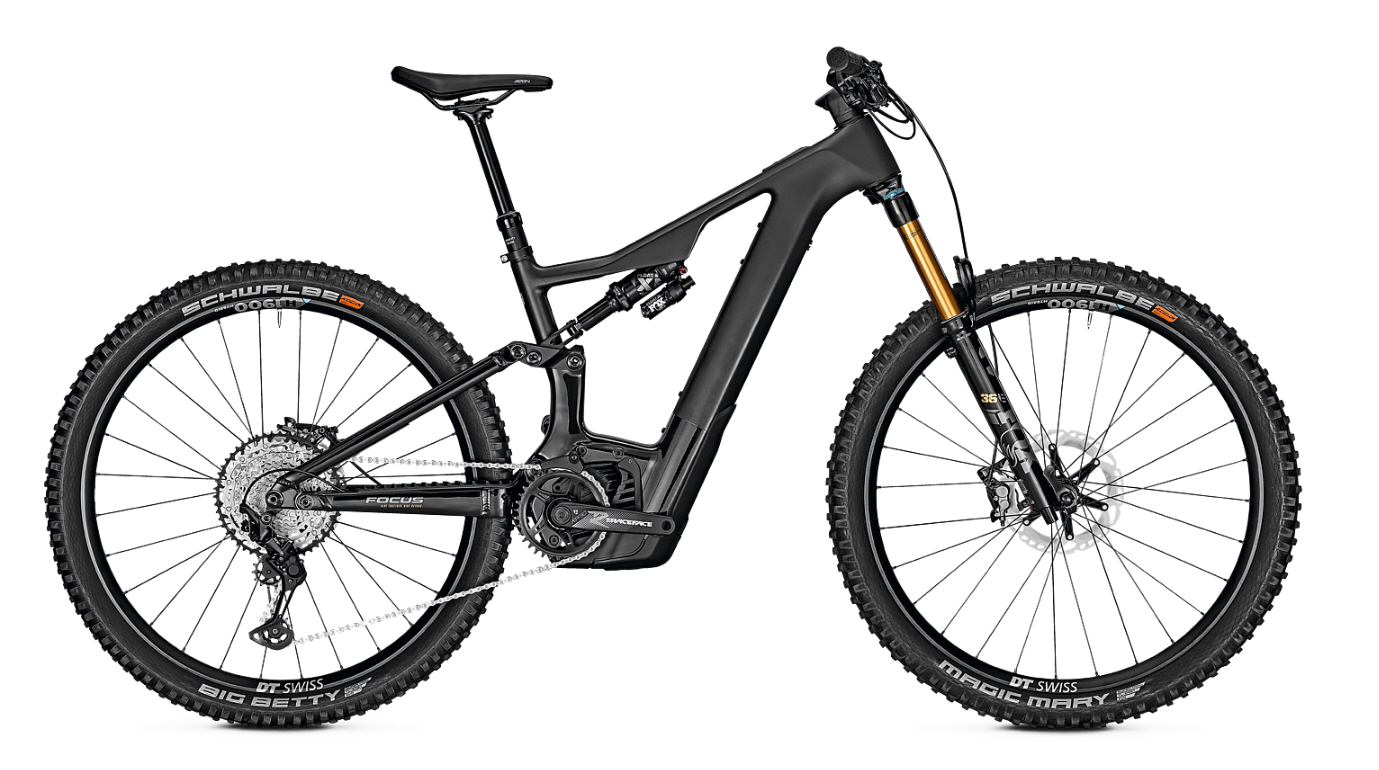
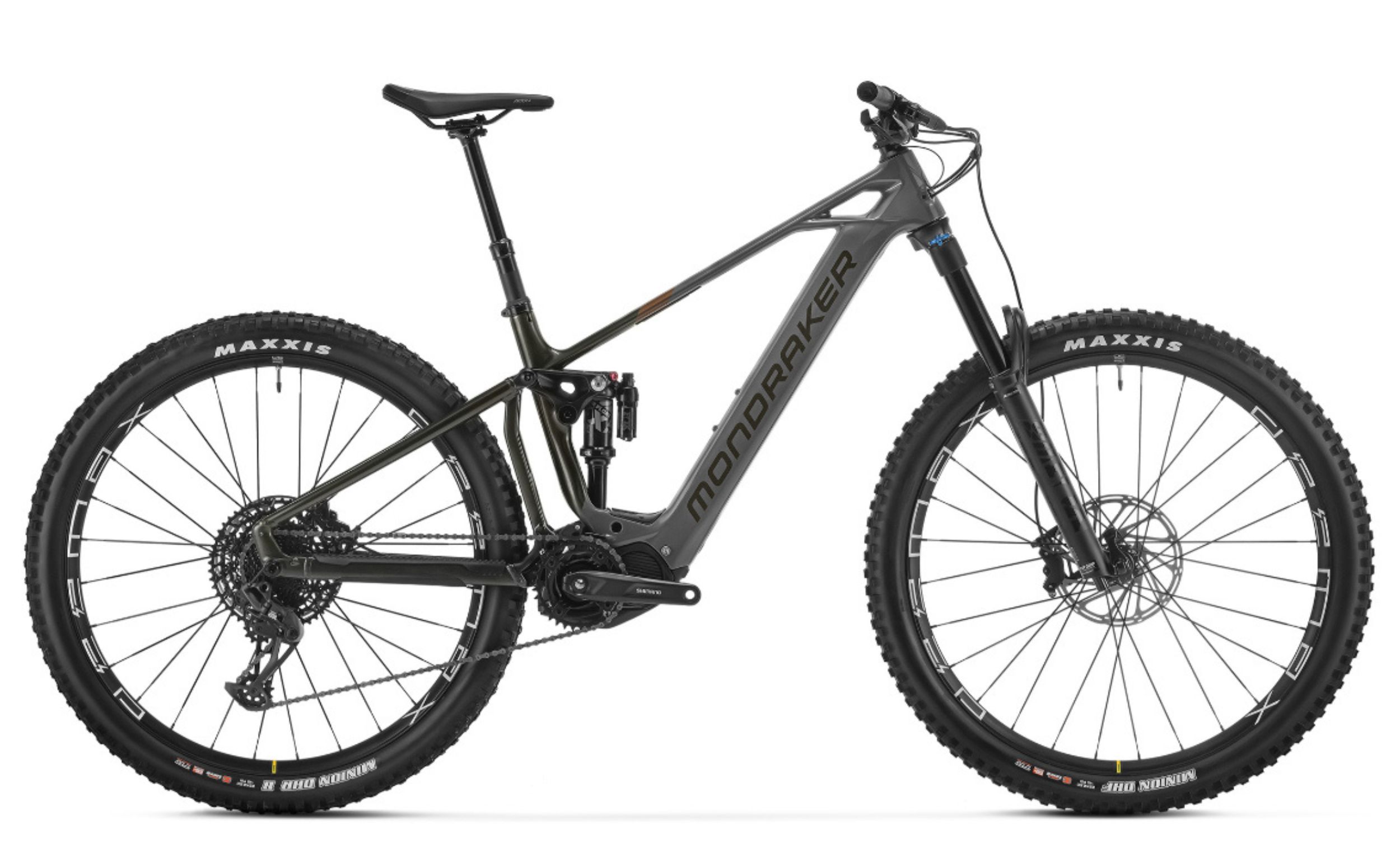
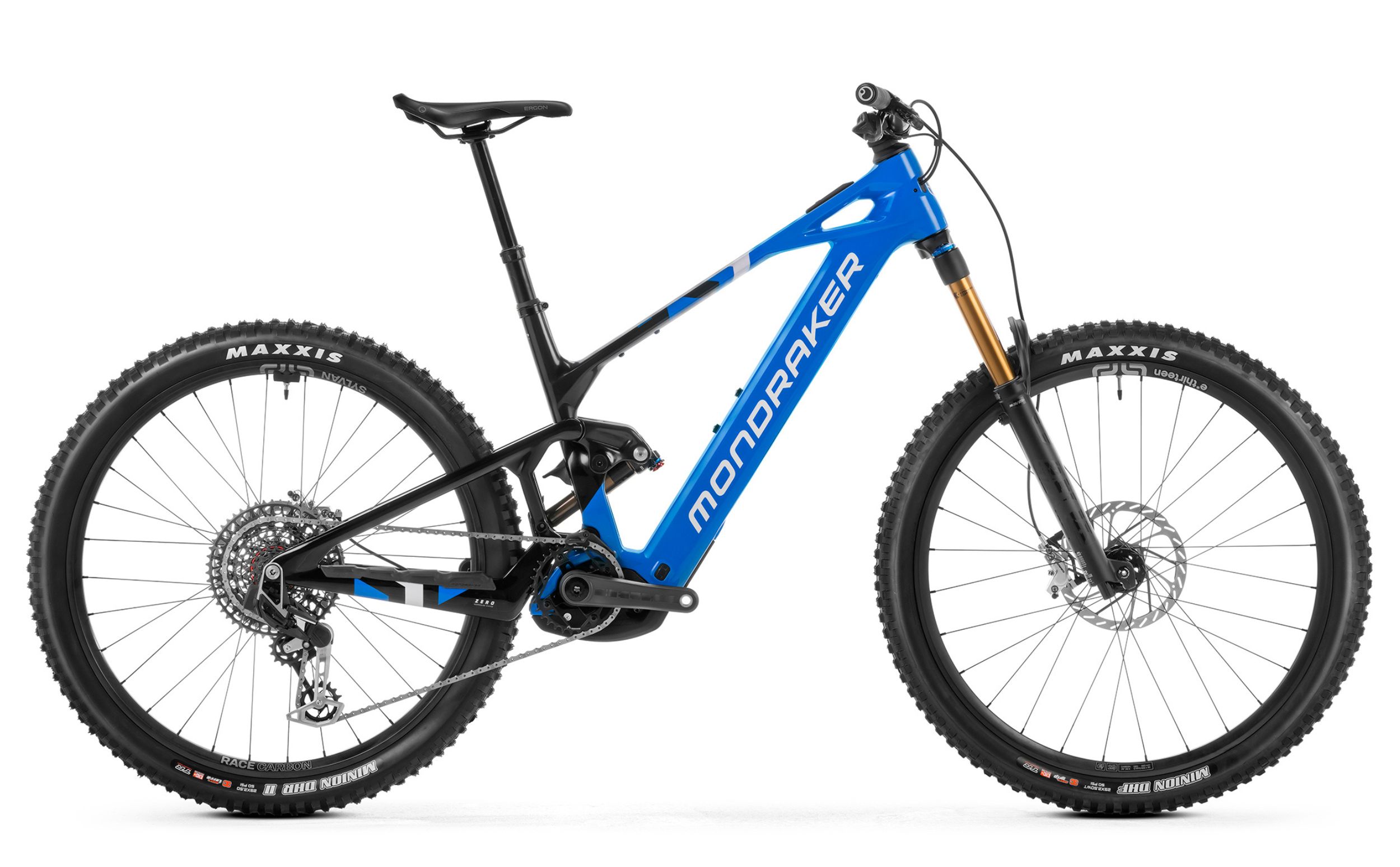
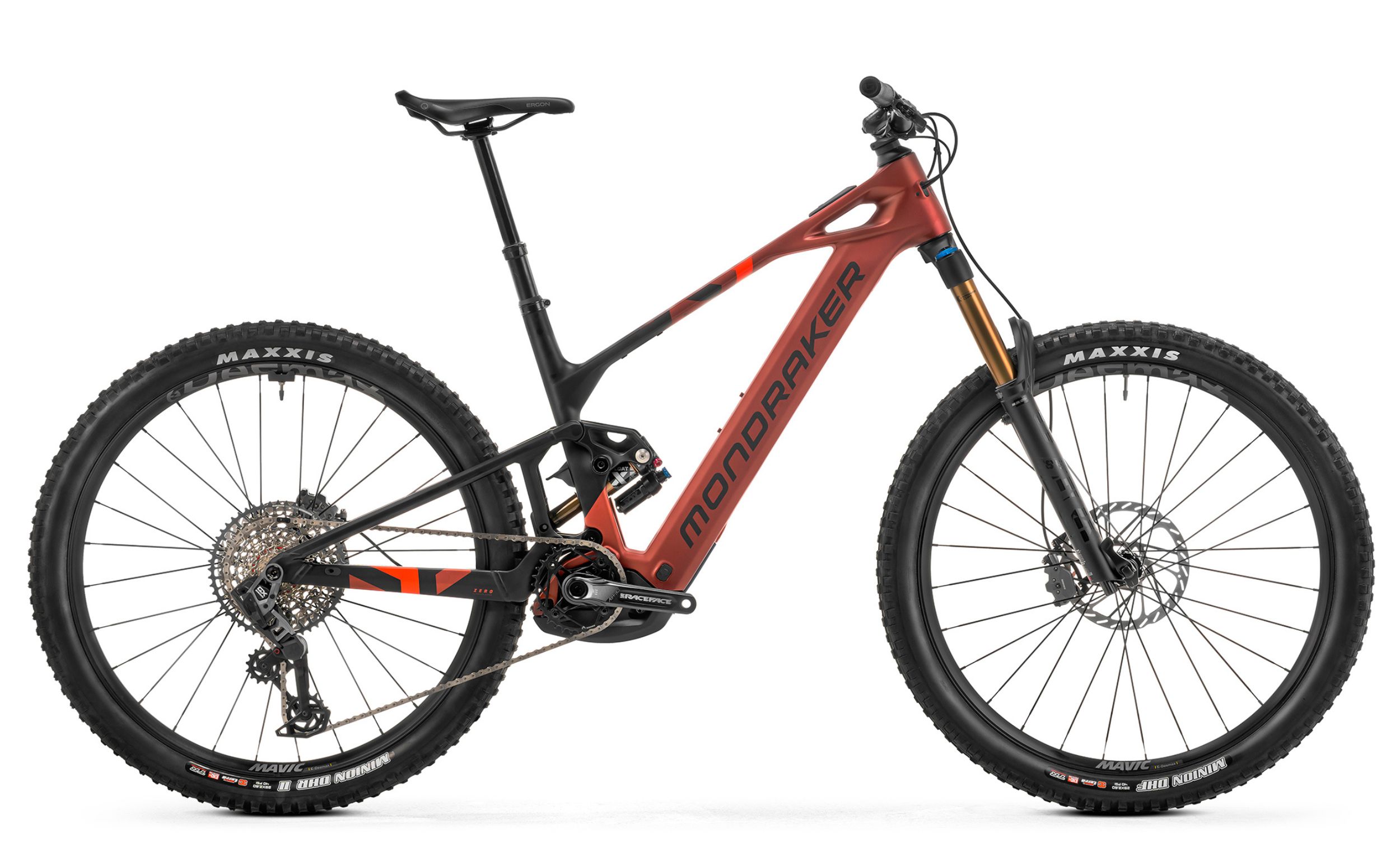
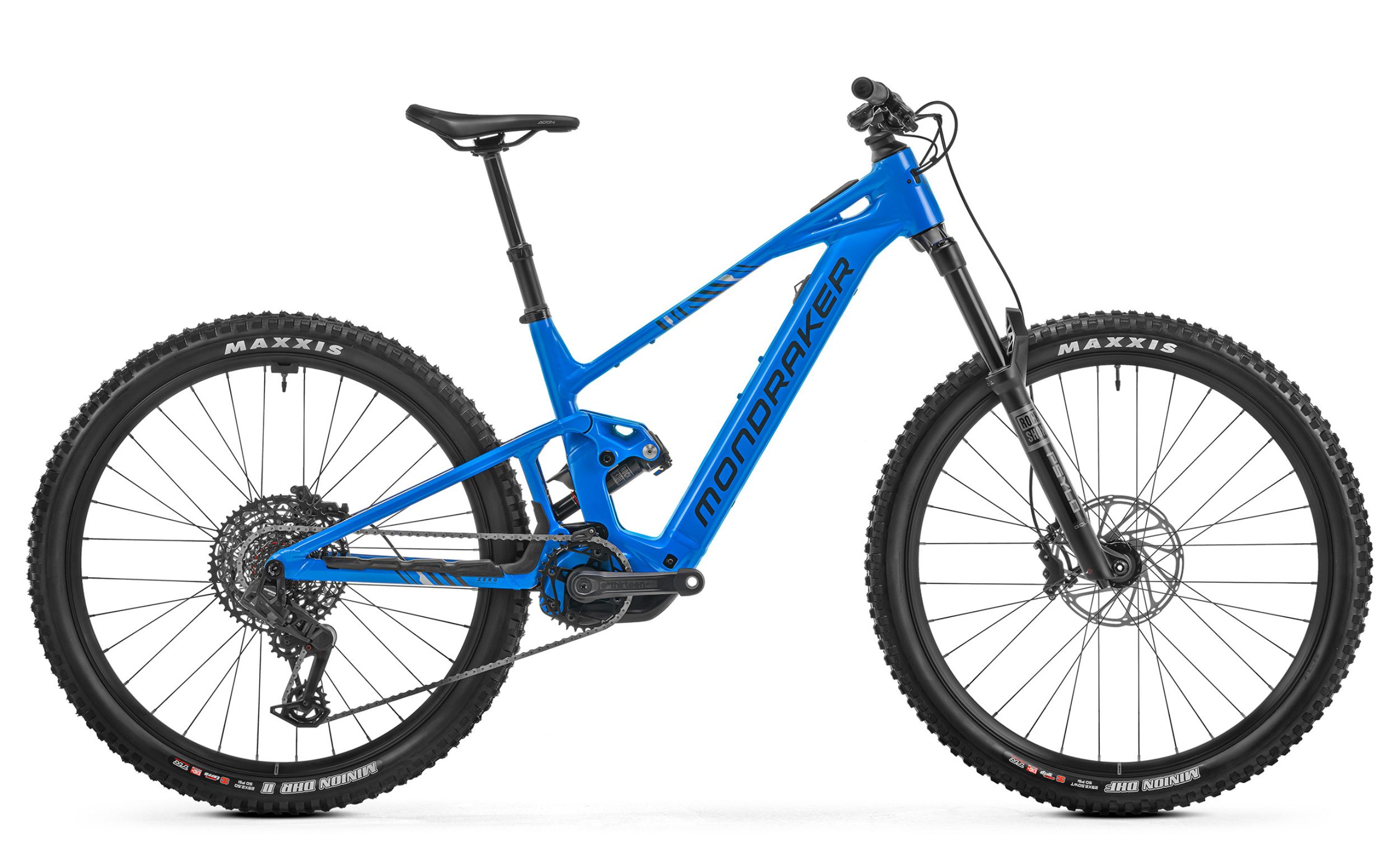
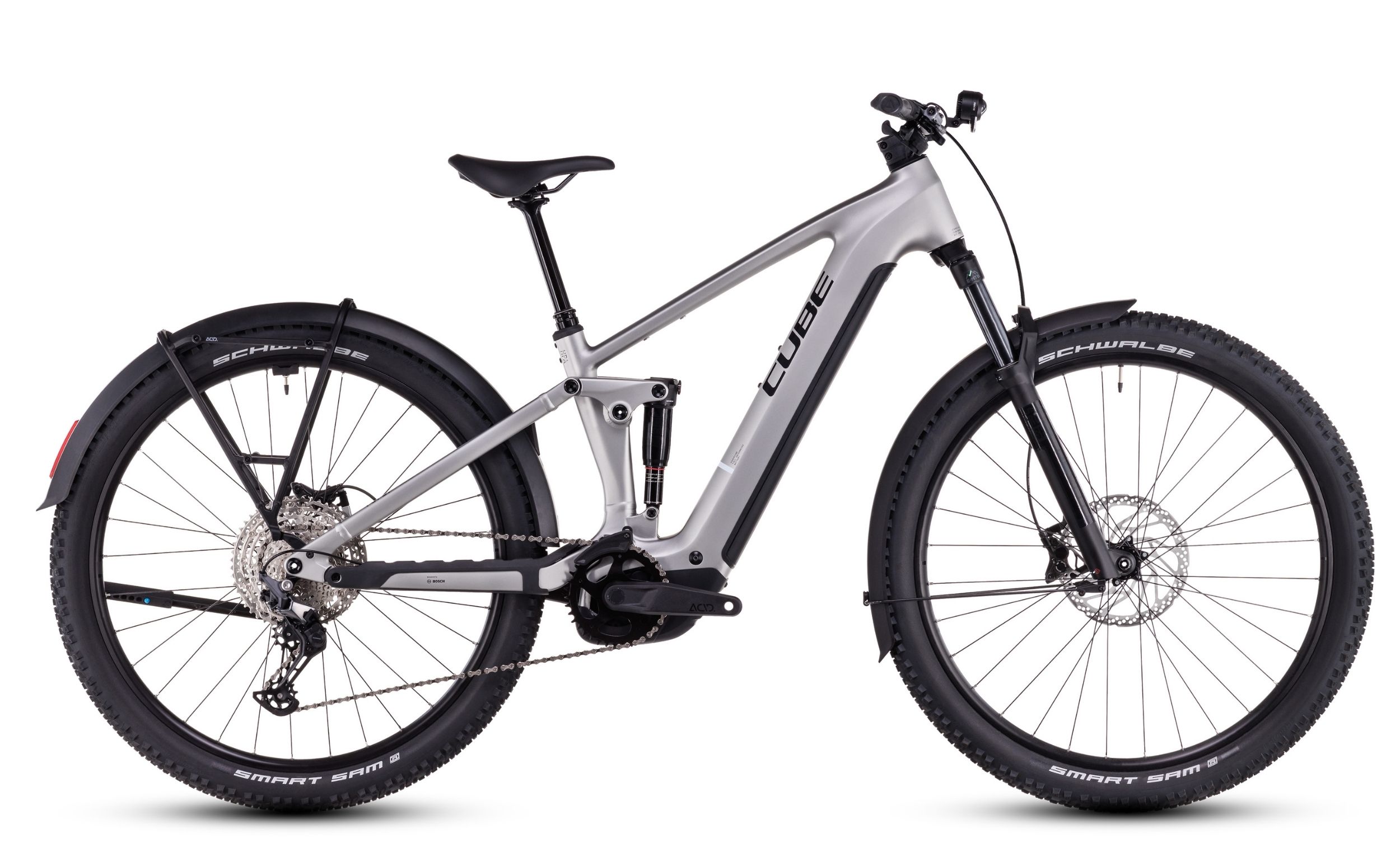
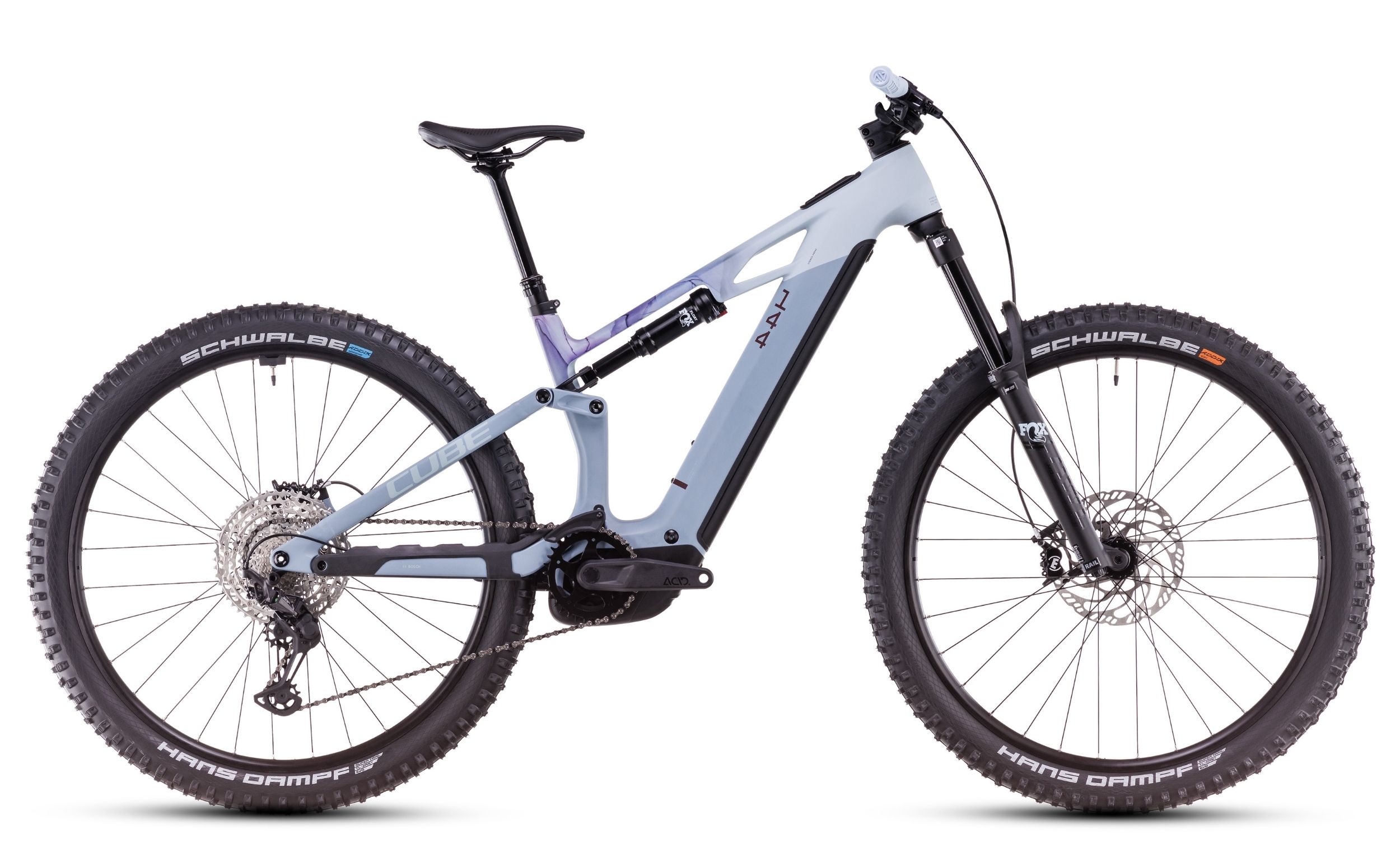
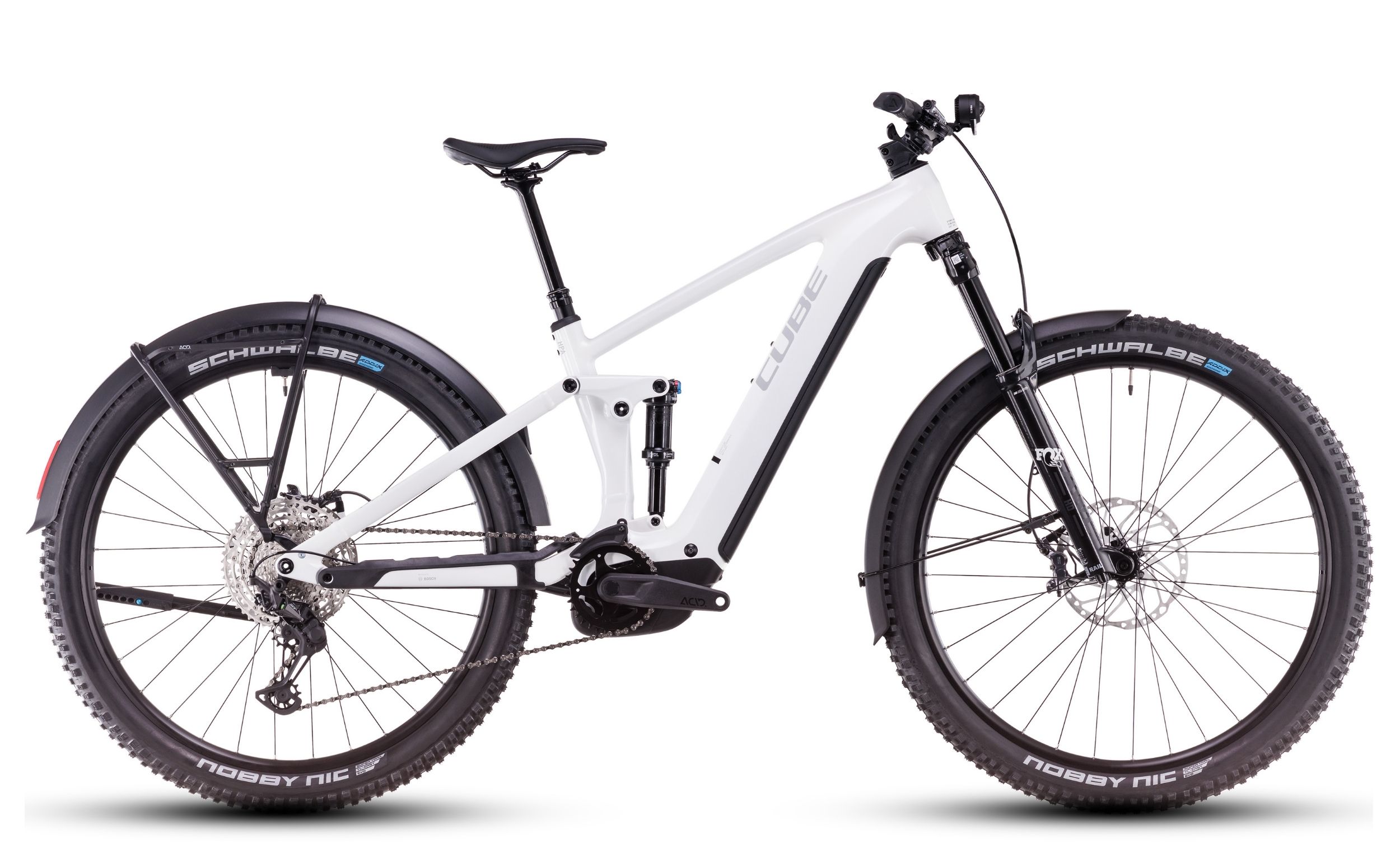
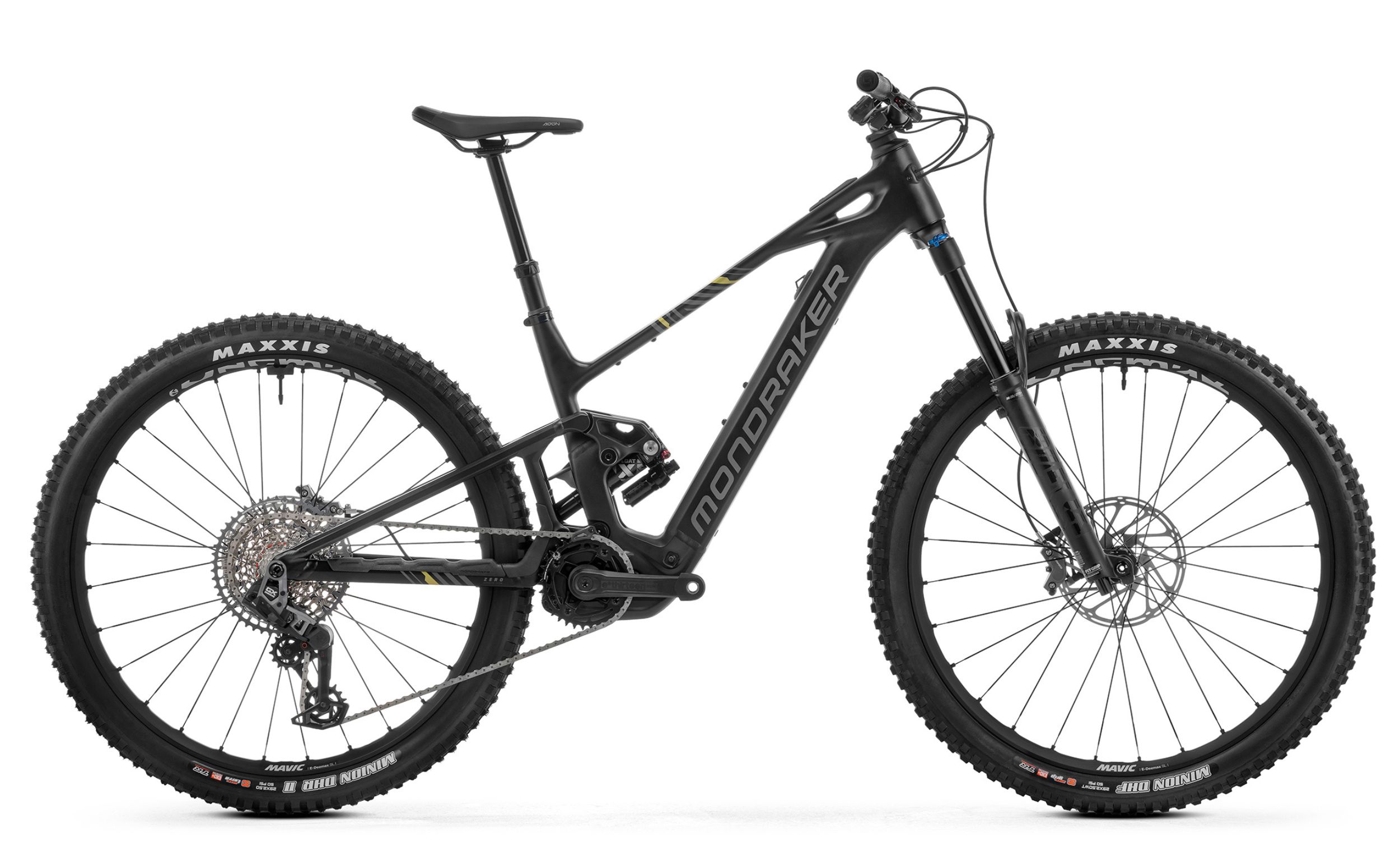
- Full-suspension bikes for maximum comfort and control.
- Particularly suitable for technical, rough trails and downhill riding.
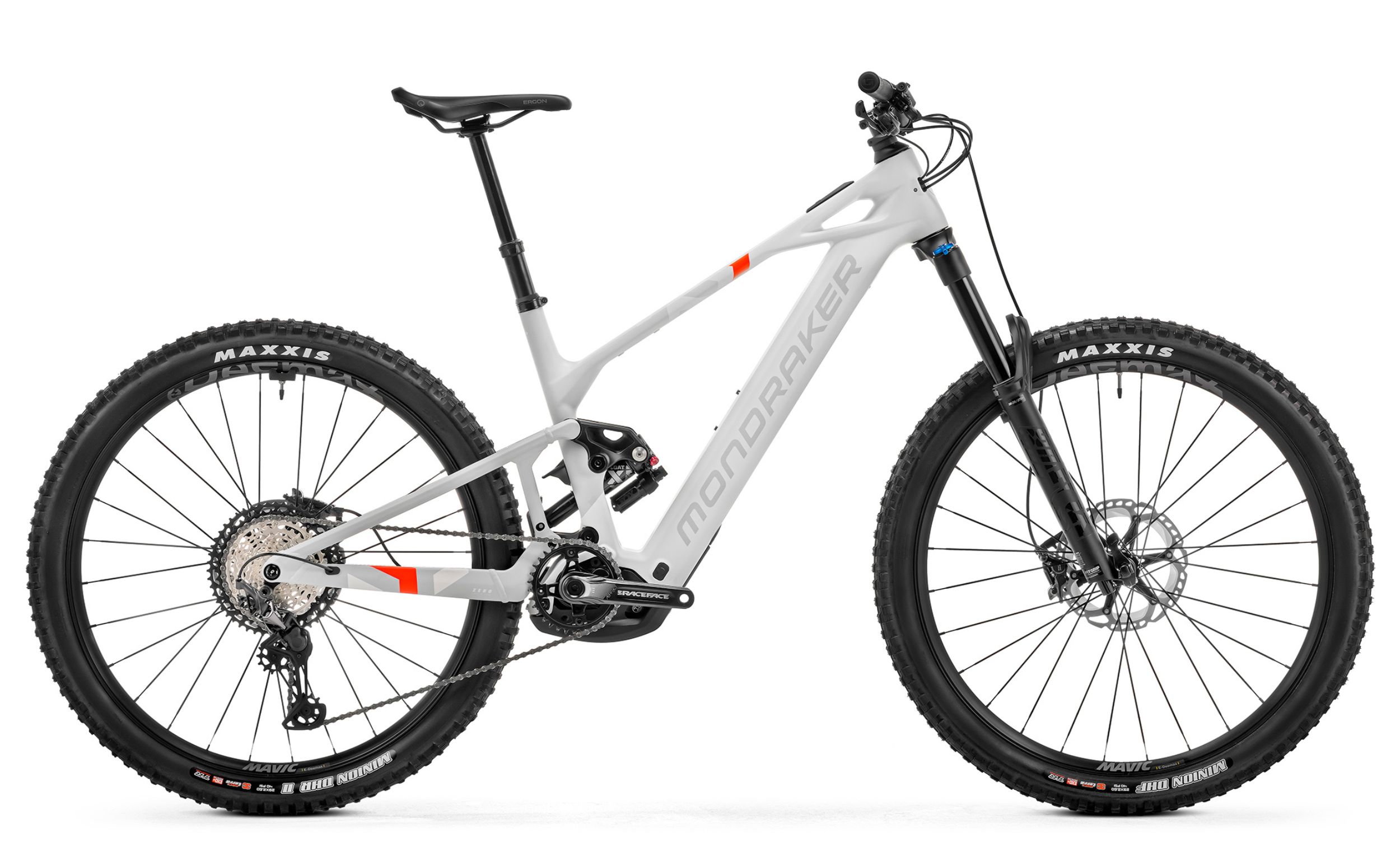
Light E-MTB
- Smaller motors and lighter batteries for a natural riding experience, some of which weigh under 16 kg according to the Loam Wolf Lightweight eMTB Shootout 2025.
- Ideal for sporty, ambitious riders.
- Systems such as the Fazua Ride 60 provide, according to the ebike-mtb.com test report, subtle yet effective assistance that feels particularly natural.
The key components of an e-mountain bike
- Motor : Usually mid-drive motors from Bosch, Shimano, TQ, Fazua or Pinion for optimal assistance. The comprehensive e-MTB motor comparison by ebike-mtb.com provides a detailed comparison of 11 current motor systems.
- Battery : Watt-hours (Wh) determine the range, e.g. 400 Wh for light e-MTBs, 600 Wh for medium-length tours and 800 Wh for long tours.
- Suspension : 100 to 170 mm of travel for different types of terrain.
- Brakes : Hydraulic disc brakes ensure safe deceleration. Some models, such as the Focus Thron² or Jam², also feature Bosch eBike ABS, which received the DEKRA Award for its safety innovation.
- Tyres : Have a significant influence on grip and handling.
Buying guide: How to find the right e-MTB
| Criteria | ||
|---|---|---|
| Hardtail | Full-suspension | |
| Weight | ||
| Lighter, more efficient | Heavier due to more suspension | |
| Riding comfort | Good on flat terrain | Ideal for technical trails |
| Intended use | ||
| Touring, cross-country | Trail, downhill, enduro |
Frame material: aluminium or carbon?
- Aluminium : More robust, more affordable.
- Carbon : Lighter, better performance.
- Both materials must meet the strict safety requirements of the ISO 4210 standard for bicycles, which covers frames, forks and other safety-relevant components.
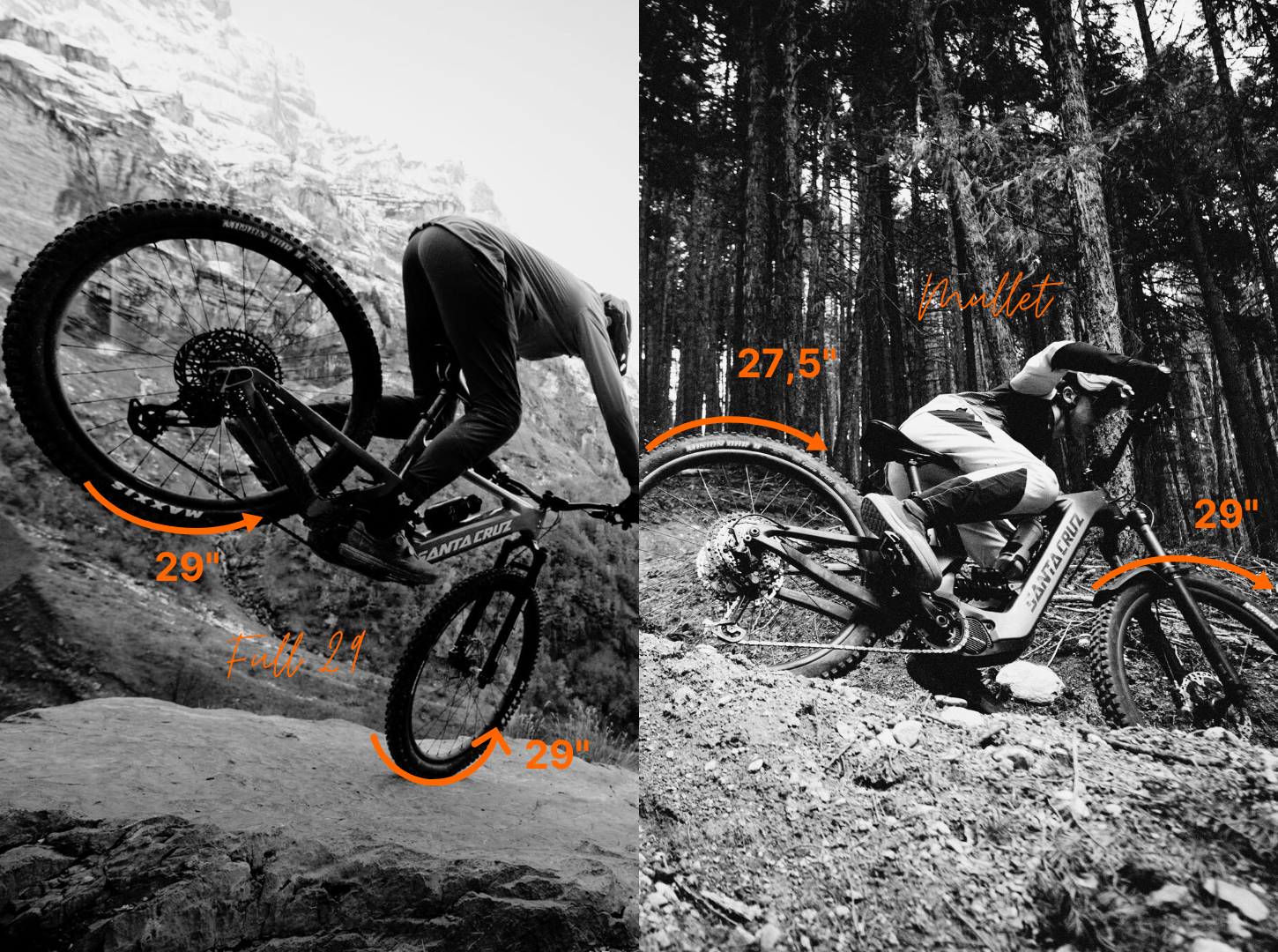
Wheel size: 27.5-inch vs. 29-inch vs. Mullet
- 29-inch : Better for long distances and smoother riding.
- 27.5-inch : More grip for technical trails and more agile handling.
- Mullet (29/27.5-inch): According to enduro-mtb.com, the combination of 29-inch at the front and 27.5-inch at the rear combines the advantages of both wheel sizes and is increasingly being used by brands such as Santa Cruz and Mondraker.
Suspension travel: How much do I need?
| Suspension travel | |
|---|---|
| Suitable for | |
| 100 to 120 mm | Cross-country and touring |
| 130 to 150 mm | Trail and all-mountain |
| 160 to 170 mm | Downhill and enduro |
Motor and battery: Which is the right choice?
- Bosch Performance Line CX for powerful, natural assistance.
- Bosch Performance Line SX for compact, lightweight systems.
- Shimano EP801 for responsive and powerful assistance.
- TQ HPR50 and Fazua Ride 60 for Light E-MTBs with a particularly natural riding experience.
- Pinion E1.12 MGU as an innovative gear motor system for low-maintenance drive.
- Light E-MTBs weigh as little as 16 kg with a smaller battery, full-suspension models up to 27 kg with an 800 Wh battery.
Quality of components
High-quality gear systems, brakes and suspension ensure riding enjoyment and durability. Brands such as Shimano and SRAM offer drivetrains at various price points, with electronic gear systems such as SRAM AXS becoming increasingly common in the e-MTB sector.
Range and battery: How far can I go on my e-MTB?
The range depends on battery size, riding style, weight and route profile. Modern batteries often last a day’s ride; for longer distances, a spare battery is recommended.
As a guide: an 800 Wh battery typically offers a range of 60 to 100 km on moderate trails, whilst light e-MTBs with 360 to 480 Wh are generally designed for rides of between 30 and 60 km. Factors such as temperature, elevation gain and the selected assistance mode significantly affect the actual range.
Maintenance and care
- Regular checks of the electronics, brakes and chain.
- Cleaning and oiling of mechanical components.
- Battery care : Protect from extreme temperatures.
- Software updates : Modern motor systems receive regular firmware updates that can improve performance and functionality.
Trends and developments
- Integrated motors and batteries for better weight distribution.
- Lighter frames and optimised suspension for better handling.
- Improved battery technologies with longer range.
- ABS systems for e-bikes are becoming increasingly important and improve safety, particularly on loose surfaces.
- New motor systems such as the Avinox M1 with 105 Nm of torque are setting new standards in performance and integration.
Price-performance comparison: E-MTB models
| Model | Type | motor | accumulator capacity | price from |
|---|---|---|---|---|
| LIQROCK E-MTB EQP | Hardtail | Bosch Performance CX Gen5 | 600 Wh | 1.799 € |
| Cube Stereo Hybrid ONE44 Pro | Fully | Bosch Performance CX | 800 Wh | 3.699 € |
| Focus Jam² 6.8 | Fully | Bosch Performance CX | 800 Wh | 4.799 € |
| Mondraker NEAT R | Fully | TQ HPR-50 | 360 Wh | 4.666 € |
| Santa Cruz Vala AL 70 | Fully | Bosch Performance CX | 600 Wh | 6.299 € |
| Amflow PL Carbon Pro | Fully | Avinox M1 105 Nm | 800 Wh | 8.599 € |
With this guide, you'll be well prepared, find your ideal e-mountainbike and enjoy off-road adventures!
FAQ
Was ist der Unterschied zwischen einem E-Mountainbike und einem normalen Mountainbike?
Ein E-MTB unterstützt dich mit einem Elektromotor beim Treten, sodass du länger und weiter fahren kannst. Der Motor schaltet gemäß EU-Regulierung bei 25 km/h ab, was bedeutet, dass du weiterhin aktiv treten musst und ein sportliches Fahrgefühl erhalten bleibt.
Wie viel kostet ein E-Mountainbike?
Von Einstiegsmodellen ab ca. 1.800 € bis hin zu High-End-Bikes über 10.000 €. Die Preisspanne ergibt sich vor allem aus dem verwendeten Rahmenmaterial (Aluminium vs. Carbon), dem Motorsystem und der Qualität der Anbauteile wie Federung, Bremsen und Schaltung.
Wo darf ich mit einem E-Mountainbike fahren?
In Deutschland gelten E-MTBs mit Motorunterstützung bis 25 km/h und maximal 250 Watt Dauerleistung als Pedelecs und dürfen überall dort gefahren werden, wo auch normale Fahrräder erlaubt sind. Regionale Regelungen beachten: Nicht alle Trails erlauben motorisierte Fahrräder, und in Naturschutzgebieten können besondere Vorschriften gelten.
Wie lange hält der Akku eines E-Mountainbikes?
Abhängig von Kapazität und Nutzung reicht eine Ladung oft für eine Tagestour. Akkus mit 800 Wh ermöglichen auf moderaten Trails 60 bis 100 km, während Light E-MTB-Akkus mit 360 bis 480 Wh für kürzere, sportliche Ausfahrten konzipiert sind. Nach 500 bis 1.000 Ladezyklen behalten hochwertige Akkus in der Regel noch 80 % ihrer Kapazität.
Welcher E-MTB-Motor ist der beste?
Die Wahl des Motors hängt stark vom Einsatzzweck ab. Für maximale Leistung am Berg eignet sich der Bosch Performance Line CX (Gen5), für natürliches Fahrgefühl an Light E-MTBs der TQ HPR-50 oder Fazua Ride 60. Einen umfassenden Vergleich von 11 aktuellen Motorsystemen bietet der E-MTB-Motorenvergleich von ebike-mtb.com.